TIBBIR Universe · Saved post receipt · 1946275489779232802
Valhist
@valhist · Published: Fri Jul 18 18:26:51 +0000 2025
Original post on X · Full data receipt · Backup index
Saved archive render, not a screenshot of the original X page. Full captured content is retained below; capture gaps are stated explicitly. Video files are not stored.
https://t.co/KOWbtmIi61
Ribbit Capital - How Tibbir Embodies the Ambition of the Fund
I will tell you about Ribbit Capital – a fund that has always anticipated narratives, looked several steps ahead, understood finance and technology, and invested predominantly in the fintech sector. I’ll talk about what they have gone through, how they see the future, and what Tibbir has to do with all of this.
Ribbit Capital was founded in 2012 by Venezuelan entrepreneur Meyer “Micky” Malka! By that time, Malka already had extensive experience in finance – at 19, he founded the brokerage firm Heptagon, and in 1998 he launched the first Internet bank in Latin America, Patagon, which was sold for over $700 million! The name Ribbit is symbolic – in Hebrew, the word means “interest,” reflecting the financial orientation of their investments!
From the very beginning, Ribbit Capital positioned itself as a venture fund focused exclusively on financial services and fintech! The goal was to modernize the outdated financial industry by investing in ambitious startups worldwide! All the prerequisites for creating the fund and all the ideas embedded in it perfectly align with the concept of what Tibbir wants to create and what it will become. Just read and analyze. “Our goal is not just to write a check but to invest ideas,” Malka emphasizes.
The fund earned a reputation as a “quiet” yet powerful player: Ribbit did not seek publicity but consistently participated in the most promising deals in the fintech world! Tibbir is the same – it develops in stealth mode, but there’s enough evidence to see the connection.
By 2024, Ribbit Capital managed around $12 billion in assets! Ribbit Capital became an early investor in a number of major next-generation fintech companies – Robinhood, crypto exchange Coinbase, Brazilian digital bank Nubank, UK neobank Revolut, payment installment service Affirm, Indian investment app Groww, and corporate fintech startup Brex! The fund also backed auto insurer Root Insurance (later a “unicorn”) and the startup-focused bank Cross River Bank. Notably, the largest investment was in Robinhood – $500 million. This investment came at a crucial moment when Robinhood desperately needed the money and could have otherwise shut down, which is why they deeply respect and are grateful to Ribbit Capital.
With vast experience, Micky Malka and his team do not make impulsive decisions – they act only if everything is thoroughly thought through. Their expertise allows them to consider every scenario down to the smallest detail and see what others don’t. All investments in today’s fintech giants were made when those companies were still at the very beginning of their journey! (Coinbase, Affirm, Credit Karma).
Ribbit has developed what they call “infinite thinking”: instead of chasing short-term profits, they focus on long-term impact and the value of the businesses they help build. The fund has adhered to this philosophy consistently since its founding in 2012.
It takes money to change money – this is the company’s main slogan, but what does it mean? It tells us their ultimate goal: a new era of fintech, achieved through decades of correct investments, foresight, successes, and failures – all leading to the moment when money itself changes, when a new fintech era arrives.
Ribbit Capital has a classic fund structure, where separate sub-funds are launched for different directions. In March 2025, Y was launched – described as a fund continuing the line of Agentic Finance and Digital Backpack! Persona, Privy, and Crossmint are mentioned as Y’s early bets! I believe that in this specific fund, everything will revolve around Tibbir and digital identity.
Interest in AI
As early as 2013, shortly after launching its first fund, Ribbit declared itself a Bitcoin supporter and began investing part of its capital directly in bitcoins, as well as in the then-young crypto startup Coinbase. Micky Malka personally joined the board of the Bitcoin Foundation. Malka noted that Ribbit had taken a long-term investor stance toward cryptocurrencies: despite volatility, it was important to understand that “Rome wasn’t built in a day,” and financial giants were starting to look at Bitcoin with a long-term perspective! Remember, this was in 2013-14, when almost no one believed in Bitcoin.
Thus, even before the mass arrival of blockchain funds, Ribbit Capital integrated crypto into its strategy, viewing it as a natural extension of the fintech revolution. In other words, what do we have? Deep and early involvement in crypto, investments in crypto companies, and fintech services – all this experience and all these connections can spill over into a major project that won’t just invest in money but will actually change it.
At the turn of the 2020s, Ribbit’s next big theme became artificial intelligence. If the first decade of fintech, according to Malka, was about giving people basic access to financial services, the new task was to make money “smart” – i.e., to tie financial products to the context of a person’s life. In a 2024 interview, Malka said the future lies in individualized services: applications should adapt to each user’s age, situation, and goals – and AI is the key tool for that!
In November 2024, Ribbit Capital hosted Hacking for Agentic Finance in San Francisco. OpenAI, Solana Foundation, and several other partners sponsored the hackathon, where speakers included Robinhood CEO Vlad Tenev and Solana co-founder Anatoly Yakovenko! In my opinion, the hackathon’s main goal was to find top specialists for Tibbir.
Now We Move Smoothly to Tibbir
Tibbir is the embodiment of all the fund’s ideas, and a big bet is placed on it. Let me list everything we know so far. The project is being developed in stealth, and we must collect information bit by bit until we see the full picture.
TIBBIR – that’s “Ribbit” reversed. Ribbita is developing infrastructure where autonomous agents can operate on the blockchain, perform financial operations, and analyze data. The focus is on identity: creating a system of portable digital identity where trusted institutions (banks, fintech apps, crypto exchanges) can issue verified user credentials and get paid by other companies for their validation.
The infrastructure must be rebuilt – identification and data exchange. Ribbit has been intellectually preparing for the transition from investor to builder.
In addition to identity, Ribbit wants to create a digital backpack where all your verified information will be stored – financial history, even tokens and NFTs, all in one secure place. Tibbir is Ribbit’s bet on this paradigm shift: identity should be as interoperable as money and controlled by the user, like a crypto wallet.
But that’s not all – this is a whole ecosystem supplemented by many essential technologies. Malka explains: if the past decade was about access to money, the next one will be about money with context – apps will determine your interests and what services or actions you need. Tibbir combines the backpack (data about you) and AI agents (interpretation and actions). With the trust level Ribbit Capital and Micky Malka have, these services will be incredibly trustworthy – not only will everyone accept documents and credentials, but companies will actively want to cooperate with Tibbir to find the best solutions for clients together.
Identity verification will shift from a cost center to a profit source. Gradual adoption of Tibbir will not only improve people’s lives and save them money but also earn revenue for Tibbir itself, allowing it to continue developing the future of money. As an example, issuers of such credentials may include JPMorgan or Coinbase.
The agent will know everything about you and suggest the best solution tailored to you, like a personal economist who has worked with you for decades. The future AI consultant will simultaneously check your accounts on Coinbase and Revolut, your on-chain wallets, and even your identity in the Telegram Open Network (TON) to create a complete financial plan – something no single platform can do. It will also execute operations itself, at the best terms, either at a pre-agreed time or when a specific goal is reached.
In the future, Tibbir, having all your data and resources, will be able to plan, for example, a vacation for you like a personal assistant. You won’t need to think about bureaucracy or search for optimal solutions – the agent will do everything for you. At the same time, other sites won’t have access to your data; they won’t store it – they’ll only receive confirmation from Ribbita. Confidentiality and privacy are what humanity should strive for!
I’ll show you a clip of Micky Malka where he personally talks about everything written here – what goals the agent should solve, why current development is outdated, and what we should strive for. Identity, “as if it’s in your pocket,” will simplify money management. Money should become truly accessible and manageable by people – financial services dynamically adapting to context, location, time, and your personal history.
Tibbir is Ribbit’s tool for realizing its vision of the future of fintech, where AI agents will be as common as mobile apps are today.
What Users Will Get
When you carry your identity for every situation, you can choose who issues your certificate – whoever you trust more. And if they all have equal authority, you simply pick the one you trust the most. Banks will be interested in working with you because if you let them manage your identity, the bank won’t spend resources on it – it will only earn from it. Most importantly, people will finally regain control!
Proof That Ribbit Capital Is Behind Tibbir
The investments show a clear direction – they are going into infrastructure that perfectly fits Ribbit Capital’s vision for Ribbita. If you imagine everything revolving around it, it’s almost the only explanation for this level of investment.
Look for yourself: recent investments perfectly suit Tibbir’s agent model. Not just giants like Robinhood (with a $500 million investment) or Coinbase (invested in at an early stage), but also TON, which is closely connected to Telegram – the most convenient place for direct user access. And also applied solutions with a focus on security, ensuring the agent operates reliably and without problems interacting with other protocols.
In 2025, every new investment matches the “connect, revoke access, no fraud” model:
Persona ($200M, Series D, April): ID verification infrastructure for consumer apps and AI agents. A platform for issuing reusable credentials for fintech and AI.
Blockaid ($50M, Series B, February): real-time threat detection for on-chain wallets and transactions. Flags fraudsters before they interact with your backpack.
Privy ($15M, March): allows apps to instantly create KYC-ready wallets with detailed data permissions. Perfect for Tibbir’s “revoke access at any time” model.
Crossmint ($23.6M, March): focused on tokenized identity, embedded wallets, and payment solutions for AI agents. Its SDK could become the basis for Tibbir’s programmable identity interface.
SafetyKit ($27M, Series A, April): creating AI agents for trust and safety – content filtering, transaction checks, onboarding protection. Key “guardrails” for a world of programmable agents and portable identity.
Tibbir Trust: In mid-2024, long before the token launch, Malka created a legal entity. He transferred $5M worth of Robinhood shares into this trust. The fact that the name appeared long before the token launch shows how deeply thought-out the Tibbir concept was – another piece of evidence.
The wallet that deployed the Tibbir token was funded by an address linked to Malka (there’s on-chain evidence). A 7-year-old Ethereum address (since the mid-2010s), linked to the ENS domain mickym.eth, sent the money that launched the token contract.
As soon as Tibbir launched its official X account (@ribbita2012), the entire Ribbit team and key fintech partners immediately followed it.
Micky’s Twitter account set a Mickey Mouse avatar, which hinted at the time the agent was created.
In many podcasts and speeches, Micky Malka talks about the future of finance, the new fintech – everything he says sounds exactly like what Tibbir is meant to be.
Why Launch Tibbir This Way?
So, probably the main question: why would Ribbit Capital launch such an important agent, place such a big bet on it, and let people figure it out for themselves?
You can list standard reasons – so VC firms don’t have the final say and it can develop as intended; or to avoid legal issues that would inevitably arise from selling a token; or simply because of the spirit of crypto and its community. Micky, who bought Bitcoin at $9, might have wanted to give others the same opportunity – only the most attentive will discover the truth.
Of course, all these reasons make sense, but I believe it’s all about user trust. If you’re building a system where trust is paramount, where you invest billions into an ecosystem that improves data security and fund safety, then this step is necessary. When everyone knows everything was done completely honestly, Ribbit Capital is with the people, fully open!
Ribbita 2025
In May 2025, Tibbir created a Twitter account that carries the tag ribbita2025. And as we know, Ribbit Capital never does anything without reason – every action has meaning. Therefore, we can assume that 2025 is the year when the ideas embedded in Tibbir are set to be realized.
Conclusion
Knowing everything I wrote above, we see that Ribbit Capital doesn’t do anything randomly – they are masters of their craft, the best at what they do. No one understands fintech better than they do. There’s more than enough evidence that Ribbit Capital is behind Tibbir – they wouldn’t leave so many hints and easter eggs, risking their impeccable reputation.
Ribbit Capital has always correctly predicted narratives – they have over 50% successful investments, much higher than the average fund, and managed to catch 25% of unicorns! That’s more than twice as much as competitors – the numbers speak for themselves, especially considering Ribbit Capital invests at very early stages.
Ribbit Capital wants to change money, and for that, they need the agent they’ve been talking about. I see nothing on the horizon that could so greatly improve identity and make money contextual and accessible to everyone.
The conclusion is clear – Tibbir is not just another investment; it’s the fund’s main project, the one they have worked so hard for, made mistakes, and won!
Let’s believe in the vision of Micky Malka and Ribbit Capital!
It takes money to change money.

Image source: https://pbs.twimg.com/media/GwJcQIIXEAAcD-T.jpg?name=orig
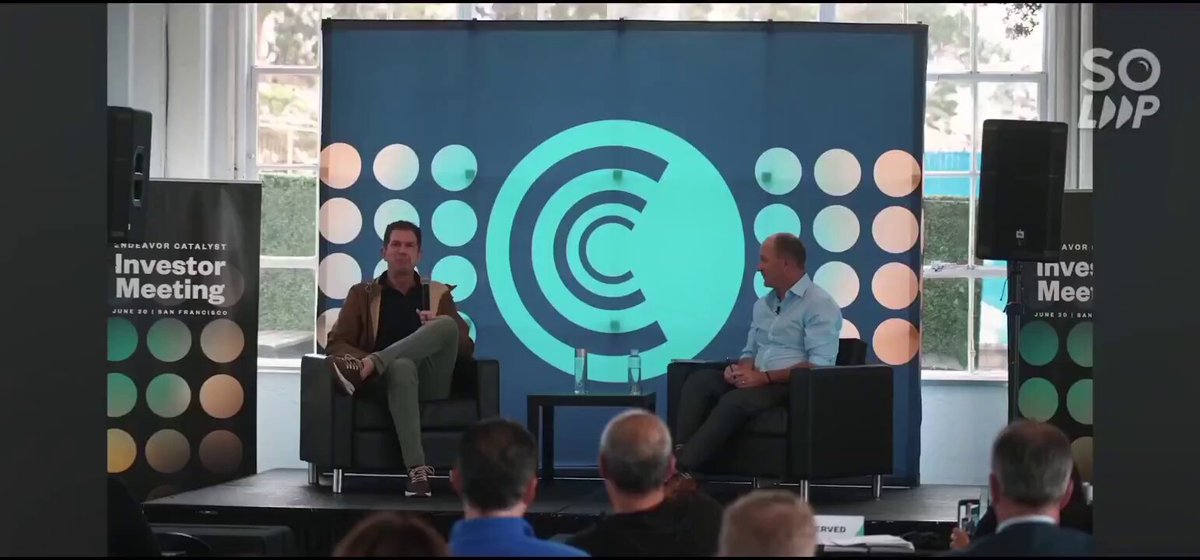
Image source: https://pbs.twimg.com/ext_tw_video_thumb/1946241028890951680/pu/img/4ucrSD9v-WRcWqBy.jpg
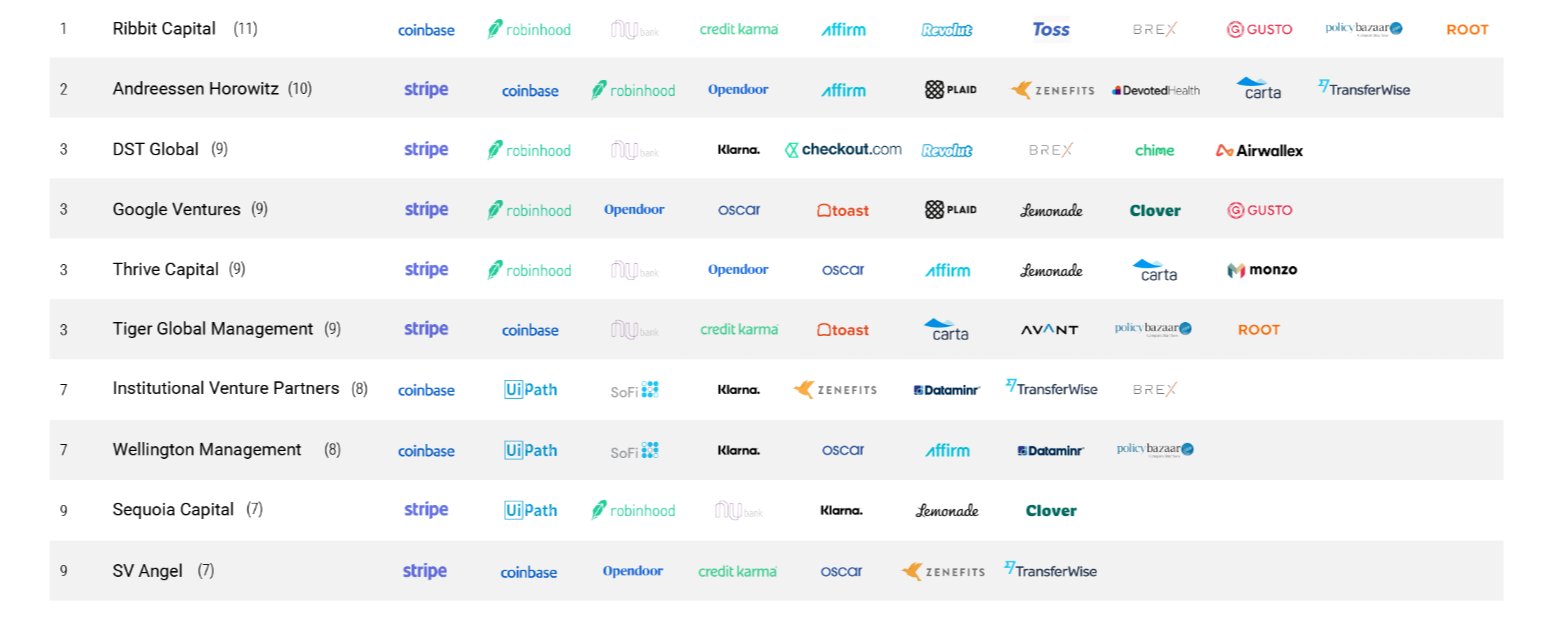
Image source: https://pbs.twimg.com/media/GwJen-dXIAE7Ef8.jpg?name=orig

Image source: https://pbs.twimg.com/media/GwKKSppXwAAR1Va.jpg?name=orig

Image source: https://pbs.twimg.com/media/GwJ8Ob0XYAAJZOM.png?name=orig
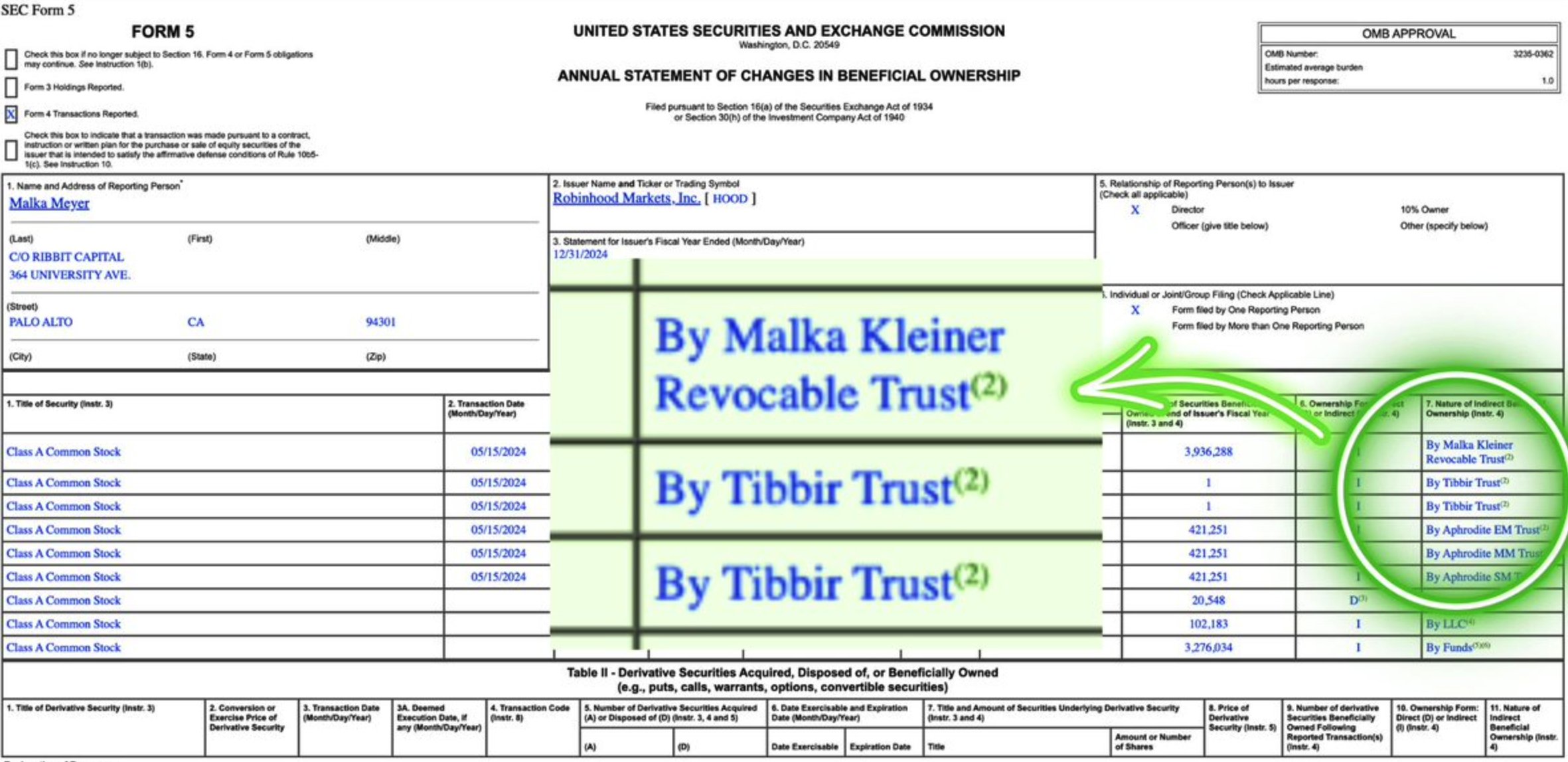
Image source: https://pbs.twimg.com/media/GwJ-L7sWAAES_cI.jpg?name=orig
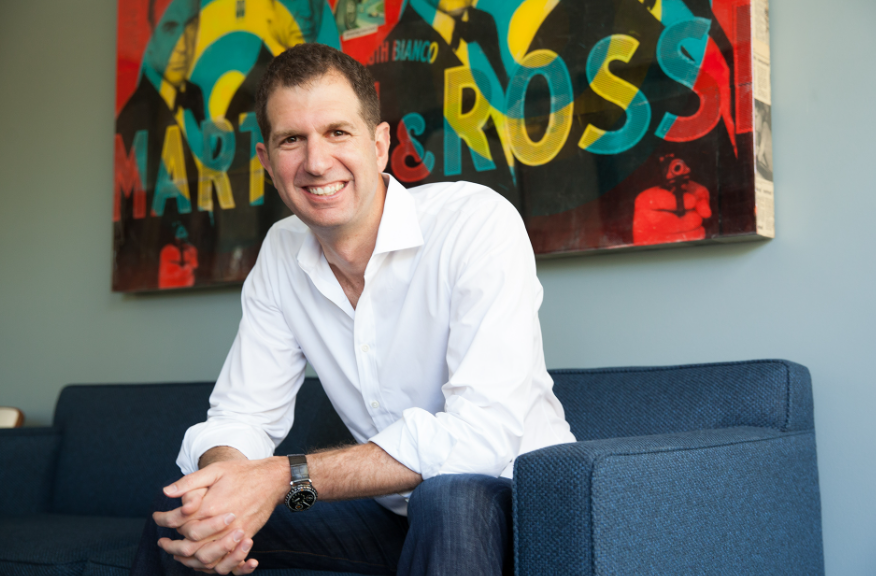
Image source: https://pbs.twimg.com/media/GwJcbsTXwAAT5O9.png?name=orig
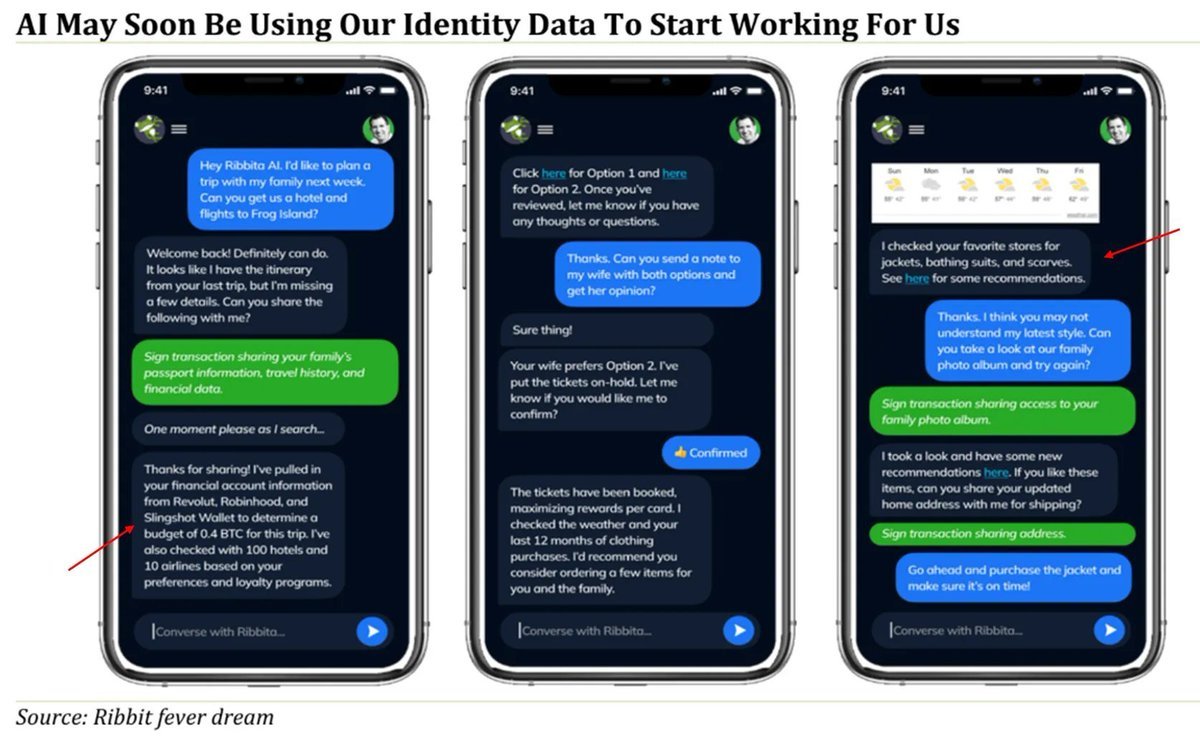
Image source: https://pbs.twimg.com/media/GwJvoycW8AApk33.jpg?name=orig
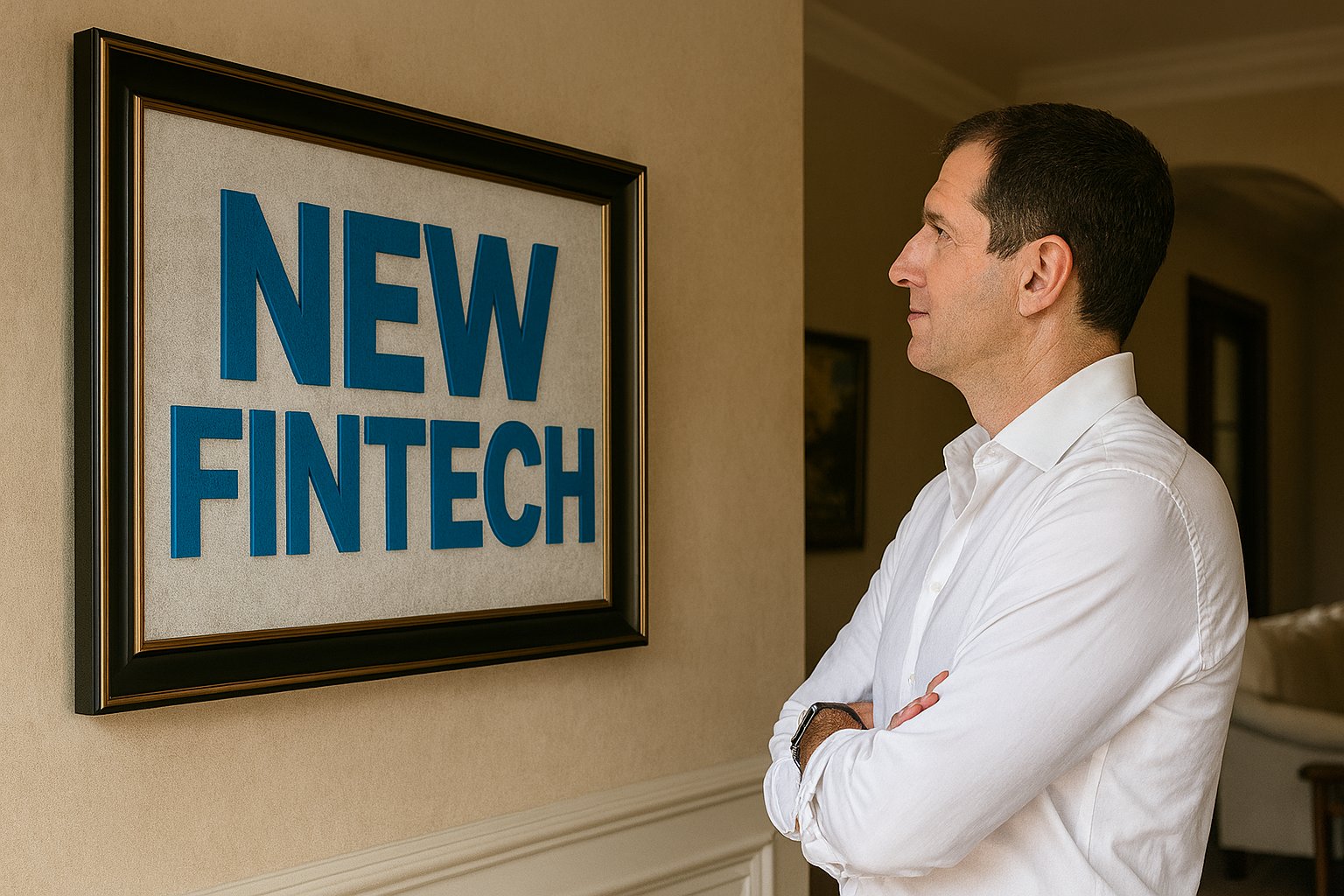
Image source: https://pbs.twimg.com/media/GwJpE_hWYAA28zw.jpg?name=orig

Image source: https://pbs.twimg.com/media/GwJuqMXXUAEU6in.png?name=orig
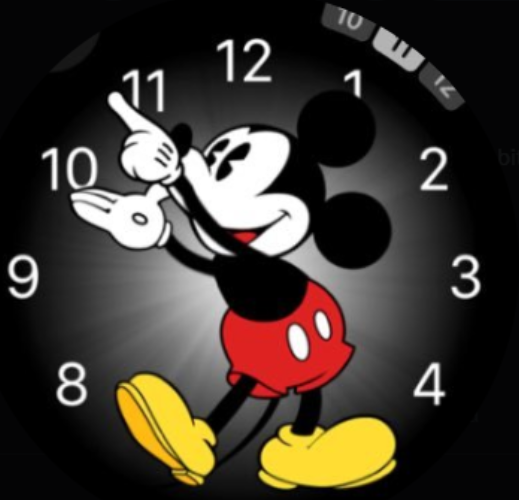
Image source: https://pbs.twimg.com/media/GwKCEVJWsAAeTtx.png?name=orig

Image source: https://pbs.twimg.com/media/GwJ1inOWkAE7PAF.jpg?name=orig

Image source: https://pbs.twimg.com/media/GwJe5yAWAAAtpzT.jpg?name=orig

Image source: https://pbs.twimg.com/profile_images/1597528342152069122/tMMDzgJ2_200x200.jpg
Posts that embed this post
Provenance and integrity
{
  "path": "sources/community-deep-dive-2026-10-14/fx-1984230329004212326.json",
  "sha256": "de1768c6eaea8d3c89063d4afafc76de9a03540ec2f2b43503935eb8f20ea2aa",
  "retrieved_at": null
}
Receipt generated: 2026-10-15T09:54:53.707191+00:00. Publication and retrieval dates are separate. SHA-256 hashes detect changes; they do not independently authenticate the publisher.