TIBBIR Universe · Saved post receipt · 1985056091537850814
Diana 🐸
@Diankamaxi · Published: Sun Nov 02 18:47:07 +0000 2025
Original post on X · Full data receipt · Backup index
Saved archive render, not a screenshot of the original X page. Full captured content is retained below; capture gaps are stated explicitly. Video files are not stored.
https://t.co/kLh0BToUNW
How a Frog Became Fintech's Prophet: Ribbit Capital Playbook for Building Wealth in the Token Age
Ribbit Capital became the first institutional investor to buy Bitcoin at $100 when everyone called it 'magic internet money.' They turned a $20 million Coinbase investment into $3.9 billion. They rescued Robinhood with $3.4 billion during GameStop and watched it 2.5x. Their portfolio includes 40+ unicorns, they've generated returns exceeding 1,000x, and founder Micky Malka (@mickymalka) held the #2 spot on Forbes' Midas List for two consecutive years. With $12 billion under management, Ribbit doesn't just invest in fintech — they predict the future with eerie accuracy, publishing theses that materialize into multi-billion dollar markets years later.
I did a deep dive into all the Letters and Pulses from Ribbit's Knowledge page, analyzed and felt everything they've written from 2013 to today — and here's what I've distilled.
Ribbit has spent a decade changing lives by democratizing access to financial services, and their approach contains powerful lessons for navigating your own financial future.
Personal Trauma Creates Billion-Dollar Insights
When Micky Malka was growing up in Venezuela, he watched his country's banking system collapse under hyperinflation. Money became worthless. Banks failed. Citizens lost everything. This wasn't an academic case study —it was his lived reality.
In 2013, when Bitcoin traded at $100 and institutional investors mocked it as "magic internet money," Malka saw protection for people in Argentina, Venezuela, Zimbabwe — anywhere citizens needed defense against their own government's monetary policy.
Ribbit bought Bitcoin directly and co-led Coinbase's Series A at a $20 million valuation. Malka's conviction ran so deep that he joined the Bitcoin Foundation's board in 2014, cementing his role in crypto's early infrastructure. Eight years later, that Coinbase stake was worth $3.9 billion — a 5,000x return.
The most important insight goes beyond the returns: Malka's thesis came from understanding a problem viscerally, not intellectually. While Stanford MBAs ran spreadsheets, he remembered watching savings evaporate. That emotional understanding created conviction that analysis alone never could.
What this means for you: Your biggest investment edge comes from your unique lived experience, not your degree or network. Maybe you've navigated remittance systems to send money home. Maybe you've been locked out of traditional banking. Maybe you've watched your parents struggle with predatory financial products. These experiences create what Ribbit calls "proprietary deal flow" — insights that others can't access. The problems you understand deeply become the opportunities others miss. Start there. Build there. Invest there.
Brand Beats Technology Every Time
When Ribbit invested in Robinhood's Series A in 2014, building a trading app wasn't technically difficult. E*TRADE had apps. Charles Schwab had apps. The technology was commoditized.
What made Robinhood different was how they made a generation feel like the stock market belonged to them. Their pitch was a movement: "We're democratizing finance for all." They turned investing into rebellion against a system that charged $10 commissions and demanded $10,000 minimums. The app's confetti animations were emotional design choices that made users feel like winners.
When Robinhood faced existential crisis in January 2021 — clearinghouses demanded $3 billion overnight during GameStop — Ribbit led a $3.4 billion emergency funding round. They could have walked away. The controversy was massive. Congress was investigating. Users were furious. But Ribbit understood they'd invested in a brand, not an app. Today, Robinhood trades at $94-99, up 2.5x from IPO, because 25 million users still believe in the mission despite the controversy.
Nubank followed the same playbook in Brazil. The purple card became a status symbol for 85 million Brazilians who felt disrespected by traditional banks. While the digital banking technology existed elsewhere, Nubank created unique emotional connection. They IPO'd at $41.5 billion, becoming Latin America's most valuable financial institution.
What this means for you: If you're building something, stop obsessing over features and start obsessing over feelings. What emotion does your product create? What story does it tell about the user? Robinhood users felt like they were sticking it to Wall Street when they traded. Nubank users felt like they were joining a movement against financial elitism. Your pitch deck should make investors feel something, not just understand something. And if you're investing, look for companies that inspire irrational loyalty. Technology gets copied. Emotional connection endures.
Play Infinite Games, Not Finite Ones
Most VCs optimize for quick exits and IRR metrics. Micky Malka explicitly rejects this: "In this game, you don't win or you don't lose. You are ahead or you're behind. It's a very different mindset."
Ribbit structures everything for the long game. They underwrite investments with "decade-plus horizons." Fund terms run 10+ years. Partners invest personal capital heavily. They held Credit Karma through eight years of skepticism about whether free credit scores could build a real business. The patience paid off: Intuit acquired it for $7.1 billion
Even more telling: Malka now measures success by "the number of people they can impact with better financial products" rather than returns. This fundamental reframe from output metrics (returns) to input metrics (lives improved) paradoxically generates better returns than optimizing for returns directly.
This philosophy shaped Ribbit's structure. When they invest, they take board seats and stay involved for decades. Nick Shalek (@nshalek) has been on Root Insurance's board since 2017. Malka joined Robinhood's board in 2022, after being an investor since 2014. They become permanent residents in their portfolio companies, not tourists passing through.
What this means for you: You're 21. You have a 45-year career ahead. Every decision should optimize for gradient, not position. Taking a 70% pay cut to join a rocketship beats maximizing salary at a stable company. Learning compounds; salaries don't. Join the company where you'll learn the most, even if it pays the least. Build skills that compound — understanding how to build companies, how to evaluate markets, how to identify talent. And when investing, extend your time horizon. The best returns come from holding exceptional companies for decades, not flipping good companies for quick gains.
When Everyone Agrees, You're Already Too Late
In 2019, Ribbit published their China Letter when Chinese fintech was "consensus poison" among VCs. P2P lending had collapsed. Regulations had tightened. Western investors were fleeing. Ribbit saw opportunity in the chaos, noting that mobile payments in China exceeded the rest of the world combined at $41.5 trillion annually.
In 2024, when fintech looked dead after the 2022 crash, Malka declared: "Fintech, as we've known it for the past decade, is dead." But instead of retreating, Ribbit pivoted to infrastructure — the picks and shovels for the next wave. They invested in Crossmint (AI agent payments), Privy (crypto wallet infrastructure), and ID.me (digital identity) while others mourned consumer fintech.
The pattern repeats: Ribbit publishes contrarian theses when sectors are out of favor, builds portfolios quietly, then watches markets validate their vision. Their 2018 Crypto Letter came during crypto winter. Their 2014 Insurance Letter preceded insurtech by 4 years. Their January 2024 Identity Letter predicted products that Visa launched 15 months later.
What this means for you: The best opportunities feel uncomfortable. When everyone's excited about something, you're already late. When everyone's given up, you're early. Right now, everyone's chasing AI wrappers and ChatGPT clones. The real opportunity is probably in whatever seems completely broken — maybe consumer crypto, maybe digital health, maybe climate tech. Look for sectors with recent failures, regulatory crackdowns, and investor fatigue. That's where the next Coinbase is hiding.
Own the Revolution's Infrastructure
Ribbit's biggest returns didn't come from consumer apps — they came from infrastructure. Before "embedded finance" was a category, Ribbit invested in Plaid (data connectivity) and pieces of the Stripe ecosystem. These weren't sexy consumer brands. They were boring infrastructure plays that every fintech company would eventually need.
The thesis was simple: in gold rushes, sell shovels. When Ribbit saw embedded finance coming, they bet that every non-bank would need the same foundational tools rather than trying to pick winners among consumer apps. Plaid reached a $13.4 billion valuation. Marqeta IPO'd at $15 billion. Stripe became worth $70 billion.
Now they're doing it again with AI infrastructure. Their June 2025 Token Letter introduced the "Token Factory Revolution" — every business becoming a factory that processes tokens (data) into more valuable tokens (intelligence). Instead of betting on ChatGPT competitors, they're investing in the infrastructure for AI agents: Crossmint for payments, Privy for wallets, ID.me for identity verification.
What this means for you: Stop chasing the hot consumer app and start thinking about infrastructure. What tools will every company in a space eventually need? In AI, everyone's building chatbots, but who's building the memory systems, payment rails, and identity layers that agents will require? In crypto, everyone's launching tokens, but who's building the compliance, custody, and bridging infrastructure? Infrastructure is harder to build, takes longer to monetize, but faces less competition and generates more durable returns. If you're technical, build tools for builders. If you're investing, follow the infrastructure.
Identity Is the New Oil
In January 2024, Ribbit published their Identity Letter predicting that "identity is the new money." They argued that as AI agents proliferate, verified identity becomes the critical infrastructure — agents need to know who they're talking to, who can authorize payments, who owns what assets.
Fifteen months later, Visa launched exactly what Ribbit predicted: Visa Intelligent Commerce for AI shopping, Payment Passkey Service for biometric authentication, and Flexible Credentials for dynamic payment methods. The speed of validation was unprecedented.
But Ribbit sees beyond authentication. They envision a world where your verified credentials — education, work history, financial records — become portable assets you control. Instead of Facebook monetizing your data, you license it to AI agents who provide personalized services. Your "digital backpack" becomes as valuable as your bank account.
The investment thesis follows: ID.me ($140 million users), Persona (verified identity infrastructure). These companies are building the trust layer for the AI economy.
What this means for you: Your data is an undervalued asset. Right now, Google generates $264 billion annually from your searches, Meta makes $164 billion from your social graph, and you get nothing. The next decade will flip this model. Start thinking about your digital identity as an asset to cultivate and protect. Use password managers, enable 2FA everywhere, and be strategic about what information you share. When identity platforms that let you monetize your credentials emerge, be an early adopter. And if you're building, focus on user-controlled, portable identity. The winners will put users in control, not platforms.
Build for Machines, Not Humans
Ribbit's most radical prediction: we're entering the "agentic age" where AI agents become primary economic actors. These agents will shop, invest, negotiate, and transact autonomously. The financial system needs to rebuild for non-human users.
Traditional banking doesn't work for software. You can't open a Chase account for an AI agent. You can't KYC a bot. You can't send a physical card to an algorithm. But agents need to participate in the economy — booking flights, paying suppliers, managing inventories.
This is why crypto matters for AI. Blockchain wallets don't care if you're human. Smart contracts execute without discrimination. Stablecoins transfer without bank hours. Ribbit's investments reflect this: Bridge (stablecoin infrastructure acquired by Stripe for $1.1 billion), Crossmint (150,000 developers using their SDK for agent payments), and participation in Stripe's Tempo blockchain.
The convergence is accelerating. Google and Coinbase launched agent payment protocols in September 2025. Transaction volumes grew 4,300% in the first week. Visa partnered with Crossmint to enable agent payments. PayPal integrated stablecoins. The infrastructure for machine commerce is being built now.
What this means for you: Learn to build for machines, not just humans. If you're coding, master smart contracts and blockchain development — agents will transact on chains, not through banks. If you're designing products, consider the agent user experience. How would an AI use your service? What APIs would it need? If you're investing, look for companies building "machine-first" products. The next Stripe won't be for human payments — it'll be for agent payments.
Your Money Will Think For Itself
Ribbit predicts every person will have 10+ AI agents working for them — investment advisors, insurance optimizers, tax strategists, spending coaches. These agents will have context about your entire financial life and negotiate on your behalf continuously.
Imagine an agent that monitors your spending, notices you're overpaying for car insurance, shops 50 providers in milliseconds, negotiates better terms, and switches your policy — all while you sleep. Or an investment agent that rebalances your portfolio based on real-time market conditions, tax implications, and your life goals, executing hundreds of micro-transactions daily.
Ribbit's portfolio companies are already building these capabilities. Harvey (legal AI) hit $100 million ARR by automating complex legal work. AlphaSense helps financial analysts process information 10x faster. Lovable lets non-programmers build sophisticated applications through conversation.
The implications are staggering. If everyone has world-class financial advisors, what happens to wealth inequality? If agents can negotiate perfect terms instantly, what happens to profit margins? If machines handle all routine transactions, what work remains for humans?
What this means for you: Start experimenting with AI agents now. Use Claude for research, ChatGPT for brainstorming, and Cursor for coding. But more importantly, develop skills that complement rather than compete with agents. Focus on creativity, judgment, emotional intelligence — things machines struggle with. Build expertise in training, managing, and auditing AI systems. The future belongs to humans who leverage better machines more effectively than their competition.
Tokens Are Eating Everything
Ribbit's June 2025 Token Letter makes their boldest claim yet: "Everything is a token. We call it the token factory revolution; tokenizing information, money, and power."
This sounds abstract, but it's already happening. Visa has deployed 11.5 billion payment tokens. AI models consume 100 trillion tokens monthly. Stablecoins process $27.6 trillion annually — more than Visa and Mastercard combined. Your attention, your data, your reputation — all becoming tokenized and tradeable.
The token economy enables new markets we can't imagine yet. Creators will tokenize their content with built-in licensing terms. Your expertise becomes tokens representing specific knowledge. Your attention becomes a scarce resource that agents bid for. GPU compute time, inference capacity, even truth itself becomes tokenized and traded.
Ribbit's investments follow this thesis: participation in Stripe's Tempo blockchain, M0 for stablecoin infrastructure, and rumored involvement with $TIBBIR token (though unconfirmed). They're building the infrastructure for a tokenized world before most people understand what tokenization means.
What this means for you: Start thinking in tokens. Your Instagram following? That's attention tokens. Your GitHub contributions? Reputation tokens. Your professional network? Access tokens. As these become tradeable, early movers will capture massive value. If you're creating content, consider how to tokenize it. If you're building expertise, document it on-chain. If you're investing, look for token infrastructure plays — the platforms that enable tokenization, not just the tokens themselves.
What Ribbit Sees Coming (And What You Should Do About It)
After analyzing every letter, every investment, every prediction Ribbit has made, here's what they see coming in the next 10 years:
The Great Rebundling. Finance won't be an app you open but a layer embedded everywhere. Your car will have its own wallet, insurance, and investment strategy. Your AI assistant will manage a portfolio of micro-investments. Your creative work will automatically monetize through smart contracts.
Identity Becomes Currency. Your verified credentials — education, work history, social graph — become more valuable than your bank balance. Companies will pay for access to your attention and data. You'll license your expertise to AI agents.
Machines Become Economic Majorities. By 2035, most economic transactions will be machine-to-machine. Agents will outnumber humans in financial markets. Traditional banking becomes obsolete as machines transact directly on blockchains.
Geographic Arbitrage Explodes. As money becomes truly digital and work becomes remote-first, the difference between earning in dollars and spending in pesos becomes a massive arbitrage opportunity. Digital nomadism goes from lifestyle choice to economic strategy.
Attention Becomes Scarcer Than Capital. In a world of infinite content and AI-generated everything, human attention becomes the scarcest resource. Markets will emerge for verified human attention. Proof-of-human protocols will become critical infrastructure.
The Stealth Projects Already Building This Future
Ribbit's network is already building what's next, often in stealth:
Stripe's Tempo Blockchain: A $5 billion valued payment chain designed for agents
OnePay with Walmart: Crypto trading coming to 150 million weekly shoppers
Google/Coinbase AP2 Protocol: Growing 30,000% weekly with agent payments
$TIBBIR Token: Rumored Ribbit experiment in venture fund tokenization
Bridge Acquisition: Stripe paid $1.1 billion for stablecoin infrastructure
Crossmint SDK: 150,000 developers building agent payment systems
These projects represent the infrastructure being built for the next financial system.
Your Personal Action Plan
Based on Ribbit's vision, here's what someone in their 20s should do:
Immediately (This Week):
Set up a crypto wallet if you haven't already
Start using AI tools daily (Claude, ChatGPT, Cursor)
Enable 2FA on everything and get a password manager
Document your expertise publicly (GitHub, writing, videos)
Short-term (Next 3 Months):
Learn basic smart contract development
Build something using AI APIs
Start accumulating stablecoins for agent experiments
Join communities building at the AI/crypto intersection
Medium-term (Next Year):
Build reputation in a specific niche (become the go-to person for something)
Launch an experiment with tokenization (creator tokens, NFTs, or similar)
Develop skills in training and managing AI agents
Position yourself in a company or project building infrastructure, not apps
Long-term (Next 5 Years):
Build portable, verified credentials for your expertise
Create systems where agents work for you continuously
Develop deep expertise in one aspect of the token economy
Think globally — your customers, employer, and investments need not be in your geography
The Meta-Lesson
After absorbing everything Ribbit has written, invested in, and predicted, one pattern emerges above all: they succeed by identifying what will be essential infrastructure 5-10 years out, then building the bridges to get there.
Rather than chasing trends, they create them. Instead of following smart money, they think from first principles about what the world needs. They optimize for being right eventually rather than being right today.
What truly distinguishes Ribbit is their understanding that changing the world goes beyond money — they focus on removing barriers between people and opportunity. Every investment, from Bitcoin to Robinhood to AI agents, follows the same thread: democratizing access to tools that were previously exclusive.
Your twenties are the perfect time to adopt this mindset. You have time to be wrong, to experiment, to build for the long-term. You can afford to be contrarian because you're not protecting an existing reputation. You can build for the future because you'll be living in it for the next 60 years.
The token economy, agentic finance, portable identity — these represent the infrastructure of your future. The earlier you understand them, build with them, and position yourself around them, the more agency you'll have in shaping what comes next.
Ribbit turned $100 million in 2013 into $12 billion in 2025 by being right about the future. You don't need $100 million. You just need to be right about what's next, position yourself accordingly, and have the patience to let compound effects work their magic.
The future Ribbit sees — where your AI agents manage your money, your identity becomes an asset, and tokens power everything — is being built right now by people not much older than you. The question becomes whether you'll be among those building it or simply living in what others create.
Start building 🐸
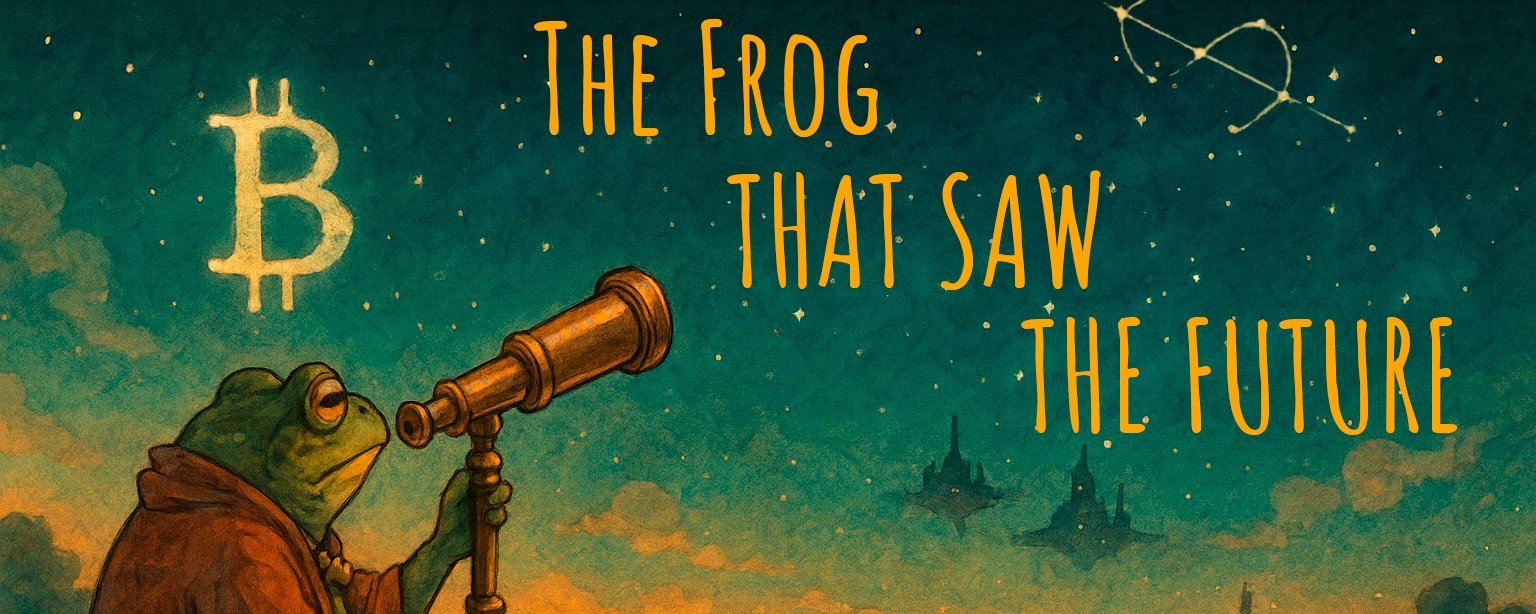
Image source: https://pbs.twimg.com/media/G4xA34EXIAAEHz6.jpg?name=orig

Image source: https://pbs.twimg.com/media/G4xNISPXUAAt1SI.jpg?name=orig
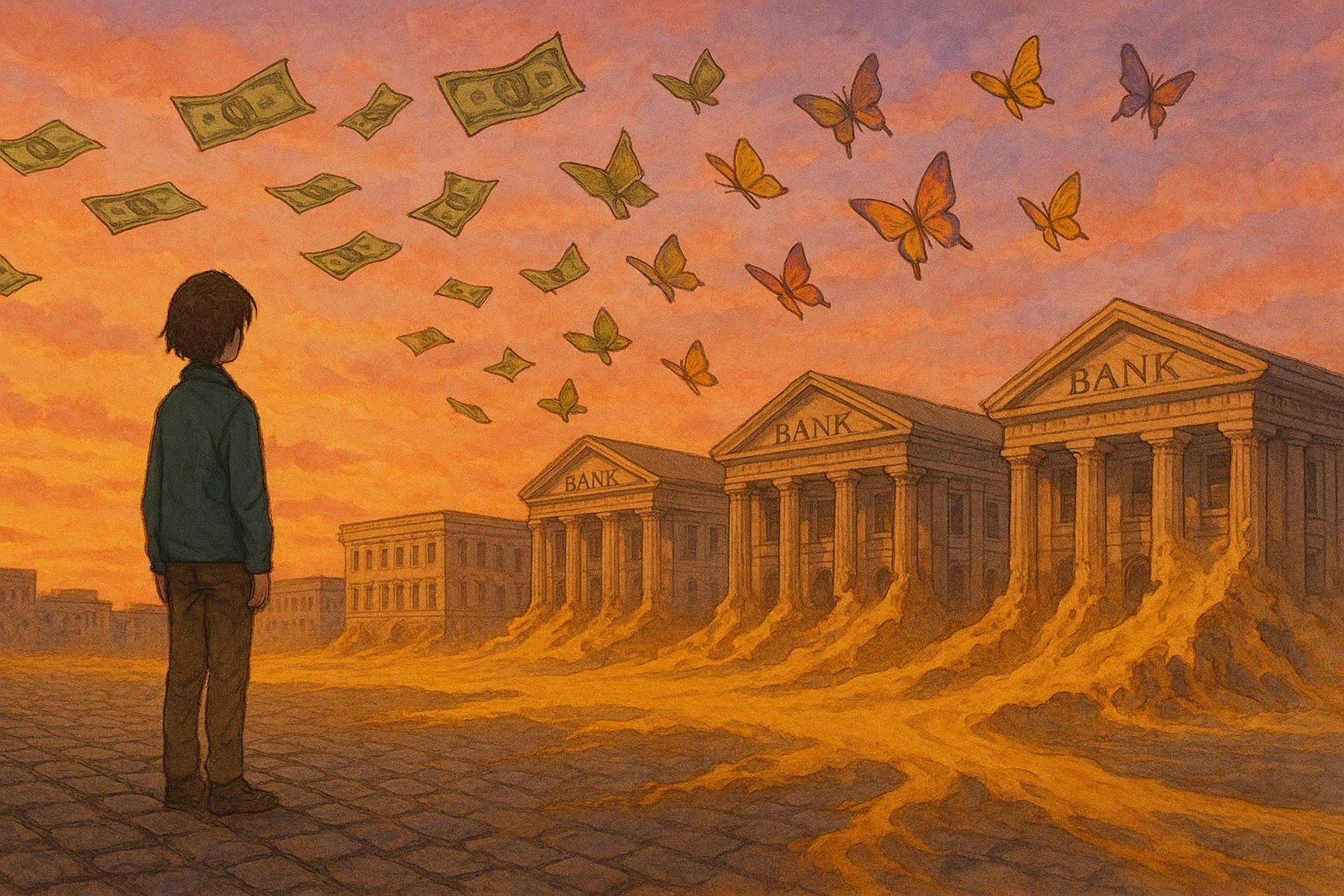
Image source: https://pbs.twimg.com/media/G4xCY2dXQAAEyts.jpg?name=orig
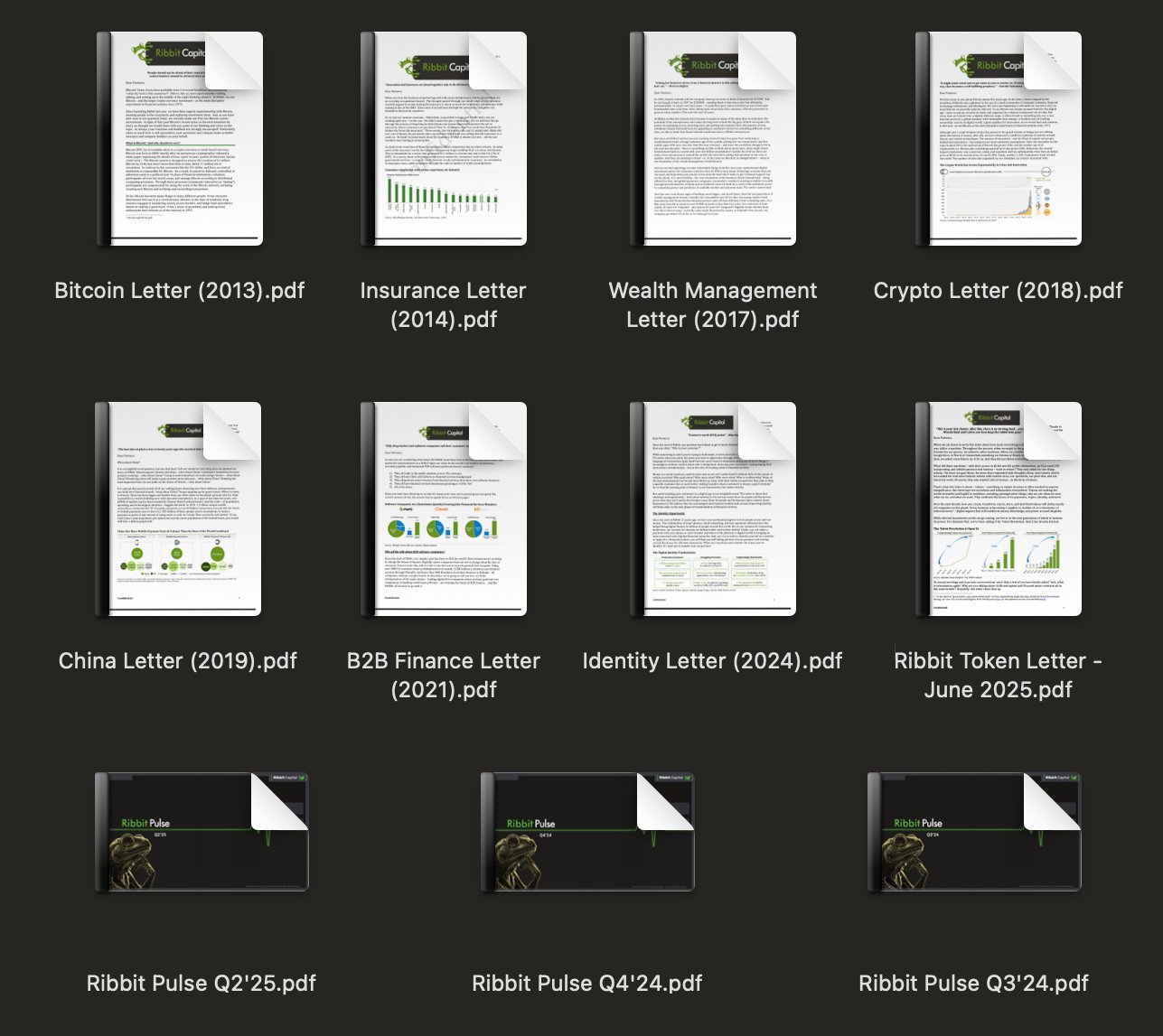
Image source: https://pbs.twimg.com/media/G4xB3n9WYAAndfx.jpg?name=orig

Image source: https://pbs.twimg.com/media/G4xN8h_XwAAwGT9.jpg?name=orig

Image source: https://pbs.twimg.com/media/G4xHUtDXsAAE-Jw.jpg?name=orig

Image source: https://pbs.twimg.com/media/G4xIzsWXYAAVFL3.jpg?name=orig
Image source: https://pbs.twimg.com/media/G4xGj0CWoAE4unx.jpg?name=orig

Image source: https://pbs.twimg.com/media/G4xOrHoWsAAYwVf.jpg?name=orig

Image source: https://pbs.twimg.com/media/G4xItOKXkAANwzh.jpg?name=orig

Image source: https://pbs.twimg.com/media/G4xF2hIW0AA-dkV.jpg?name=orig
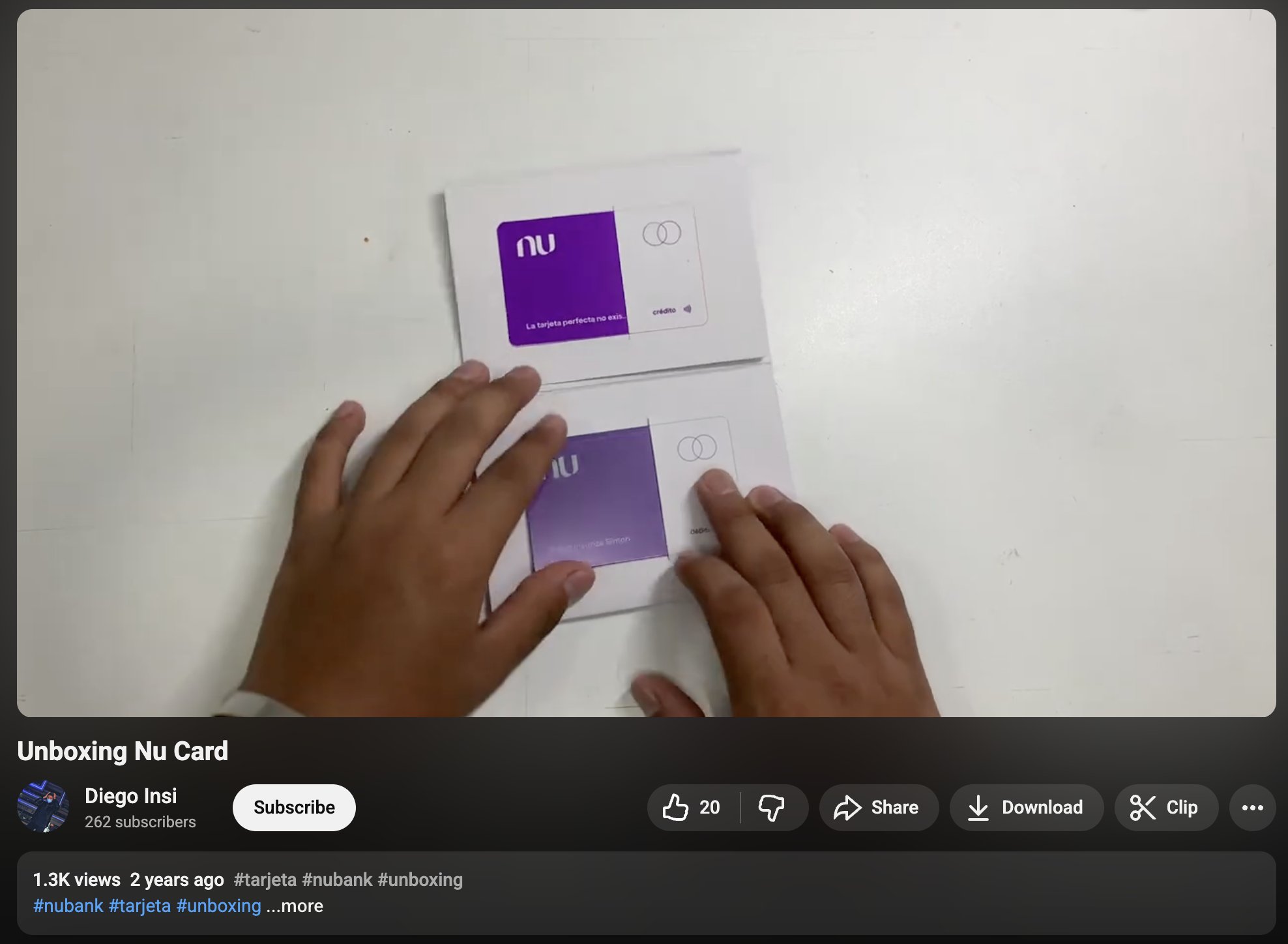
Image source: https://pbs.twimg.com/media/G4xFQvMXwAAHk8x.jpg?name=orig

Image source: https://pbs.twimg.com/media/G4xCMAmXYAALclS.jpg?name=orig
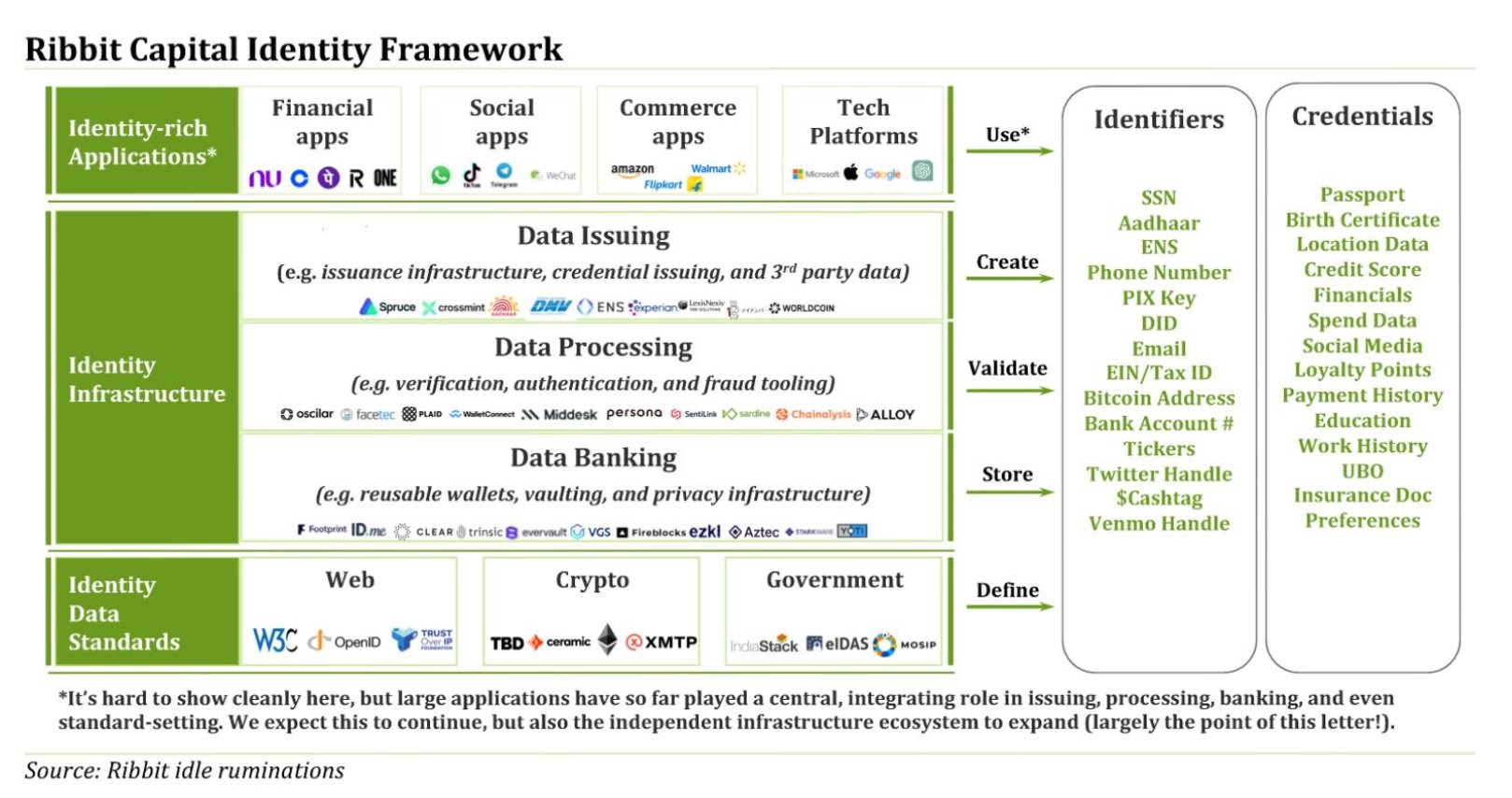
Image source: https://pbs.twimg.com/media/G4xHfXyXEAAglGk.jpg?name=orig
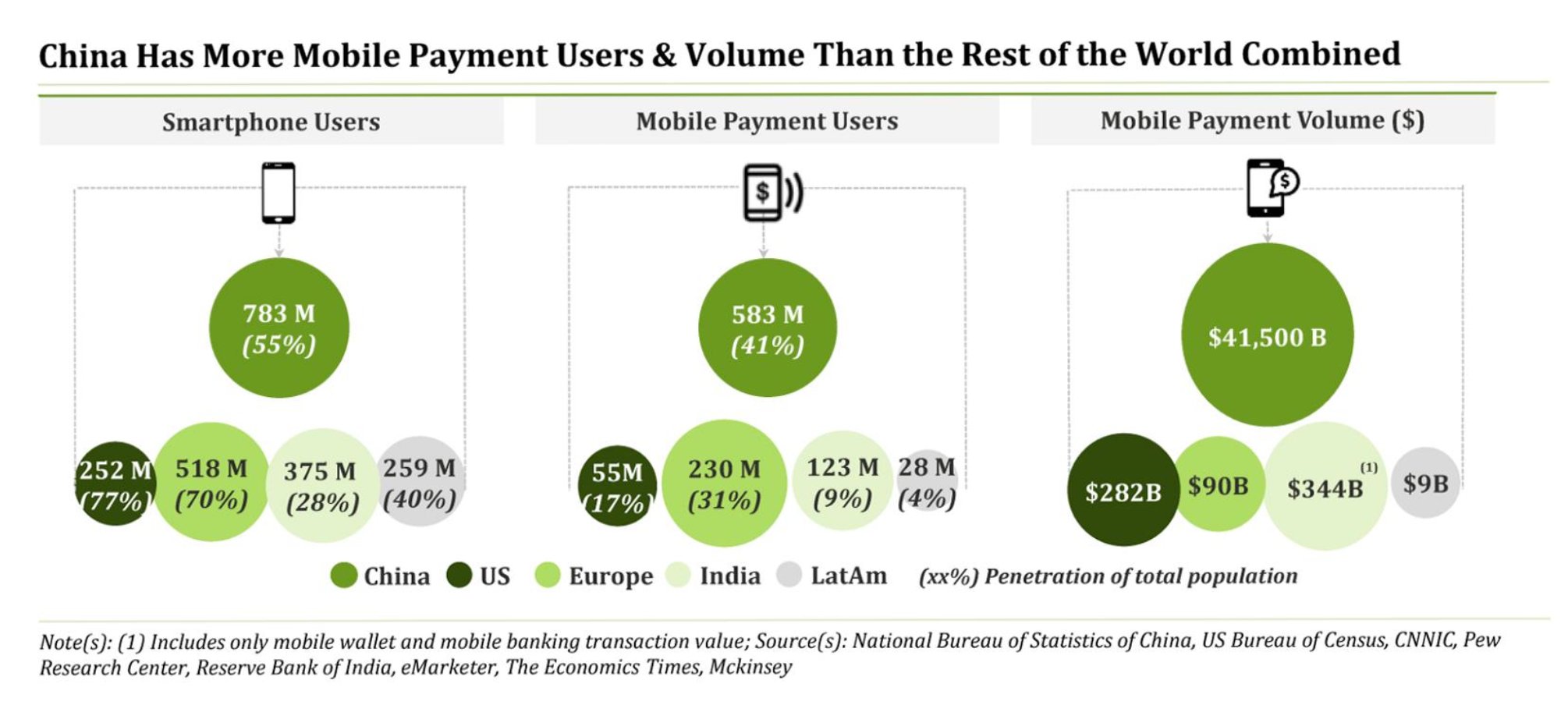
Image source: https://pbs.twimg.com/media/G4xGMHRXQAAXw5j.jpg?name=orig
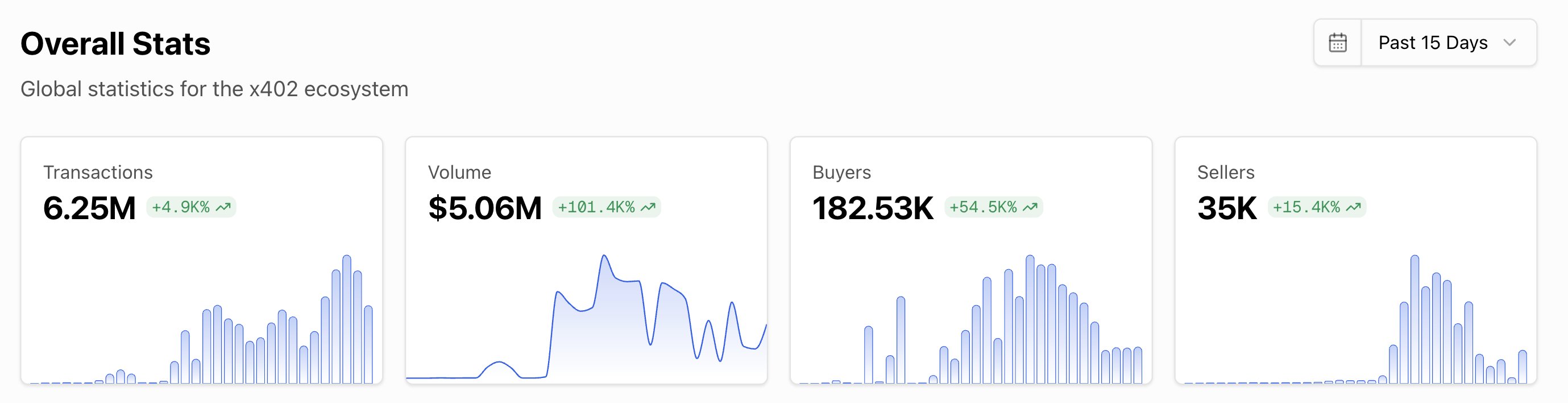
Image source: https://pbs.twimg.com/media/G4xIY3dXgAEMPf9.jpg?name=orig
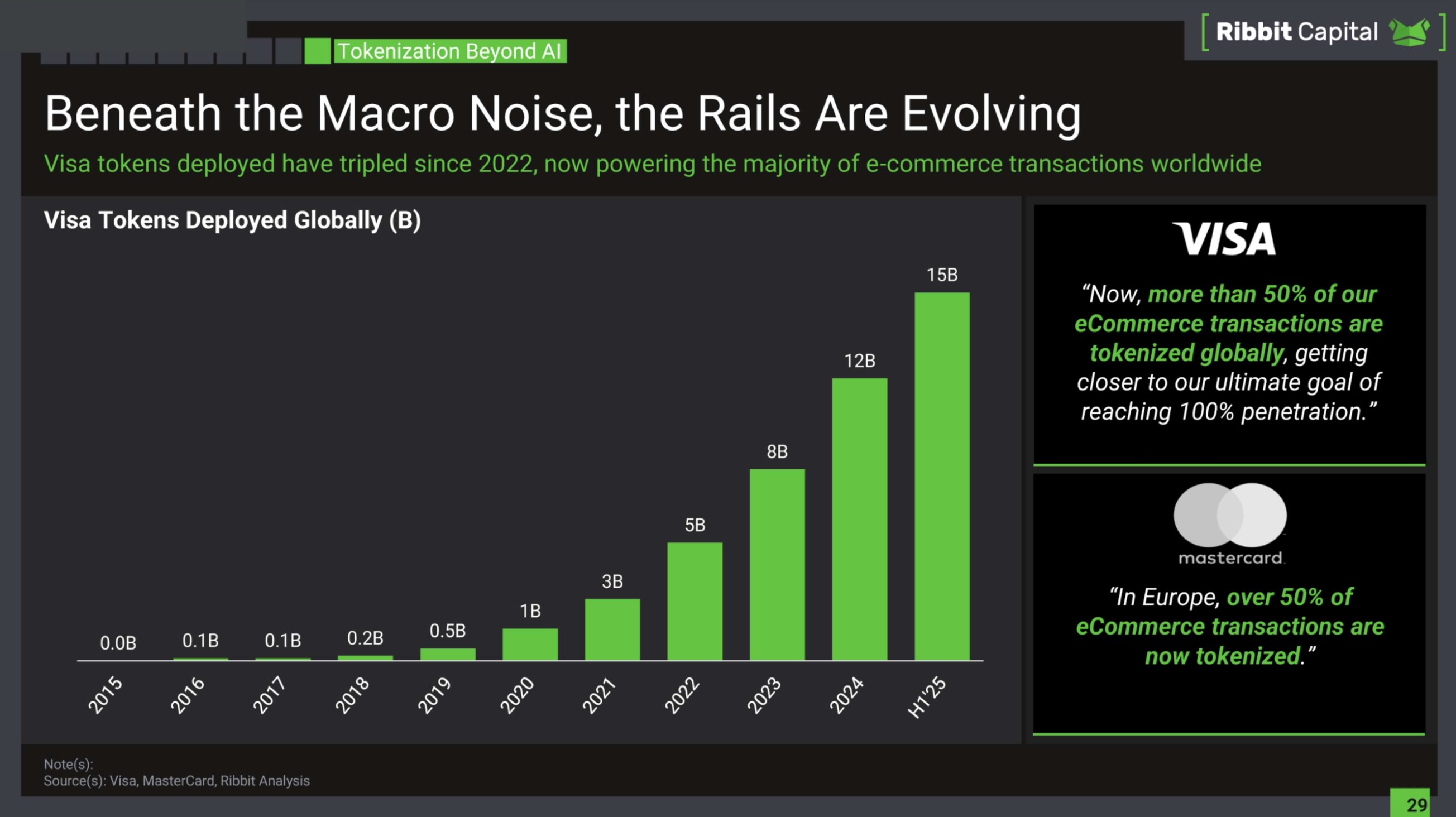
Image source: https://pbs.twimg.com/media/G4xJHzcXUAIB32B.jpg?name=orig

Image source: https://pbs.twimg.com/media/G4xDh65WIAAHVOR.jpg?name=orig

Image source: https://pbs.twimg.com/media/G4xCfm-XgAEB7ba.jpg?name=orig
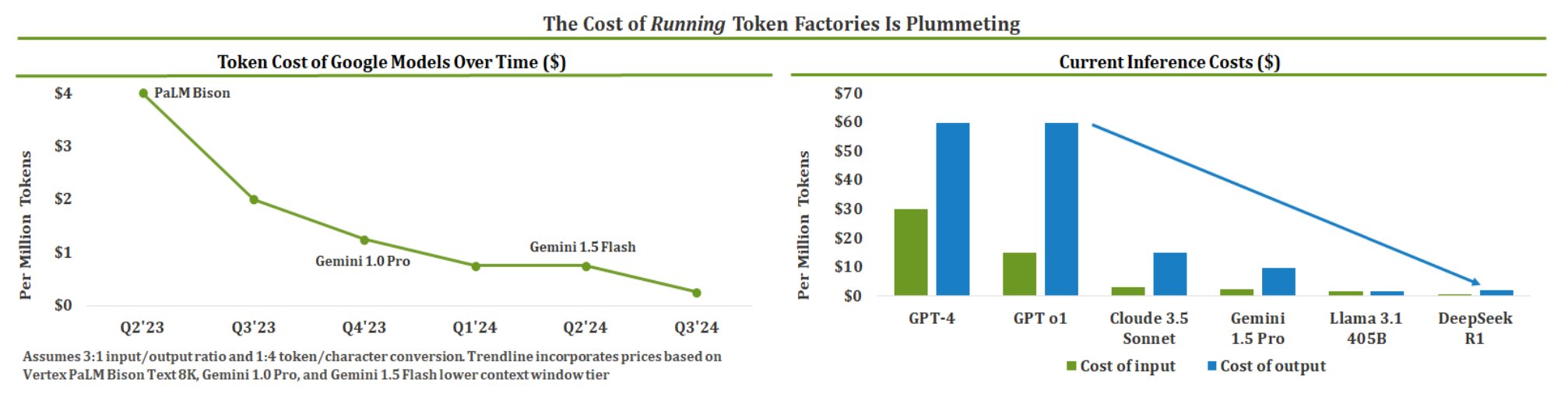
Image source: https://pbs.twimg.com/media/G4xHISPWUAA3fda.jpg?name=orig

Image source: https://pbs.twimg.com/media/G4xGasUXoAE4_LO.jpg?name=orig
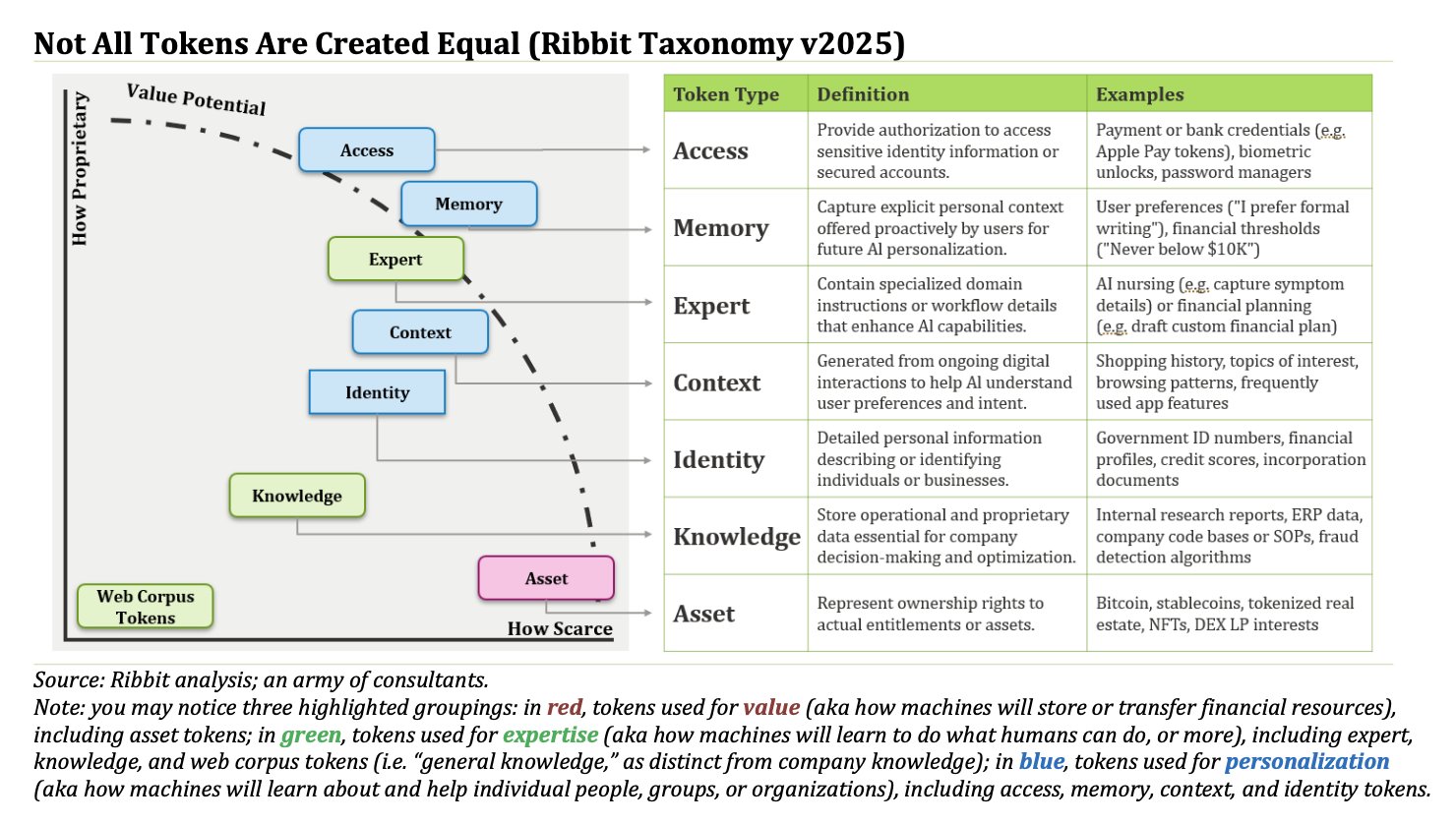
Image source: https://pbs.twimg.com/media/G4xJeQvWMAE2ScF.jpg?name=orig
Image source: https://pbs.twimg.com/media/G4xDG-eWwAAOfRT.jpg?name=orig

Image source: https://pbs.twimg.com/media/G4xH3w8WUAAHu7R.jpg?name=orig

Image source: https://pbs.twimg.com/profile_images/1742327133374922752/IM9rWv7S_200x200.jpg
Quoted and embedded posts — separate backups
Provenance and integrity
{
  "path": "sources/community-deep-dive-2026-10-14/fx-1985056091537850814.json",
  "sha256": "40de966a2a9b0806a4ce79b989d9ac7a573b7c8f42ac425e216ecd2df038a2ae",
  "retrieved_at": null
}
Receipt generated: 2026-10-15T09:54:53.888708+00:00. Publication and retrieval dates are separate. SHA-256 hashes detect changes; they do not independently authenticate the publisher.