TIBBIR Universe · Saved post receipt · 2089721864662679974
Генрих Буркатовский
@genrih99999 · Published: Tue Aug 18 14:31:32 +0000 2026
Original post on X · Full data receipt · Backup index
Saved archive render, not a screenshot of the original X page. Full captured content is retained below; capture gaps are stated explicitly. Video files are not stored.
🚨 BREAKING: THE base:0xa4a2e2ca3fbfe21aed83471d28b6f65a233c6e00 WALLET ACTIVITY JUST ESCALATED. 🐸🔥
This is no longer just about tiny test transfers.
We previously observed the large TIBBIR-linked wallet creating fresh addresses and sending test transactions of 10 TIBBIR and 5 TIBBIR.
Now one of these newly established wallet routes has suddenly been involved in moving:
💵 2,500,000 USDC — approximately $2.5 MILLION. @coinbase
And the sequence is what makes this interesting.
🐸 Step 1: Fresh operational wallets appear
🐸 Step 2: Tiny amounts of $TIBBIR are sent as apparent test transactions
⛽ Step 3: A fresh address receives a small amount of ETH associated by DeBank with a Coinbase withdrawal
💰 Step 4: 2.5M USDC enters the new wallet route
⚡ Step 5: The USDC is moved onward almost immediately
Read that again.
5 TIBBIR test.
Then:
$2,500,000 USDC.
That is a massive difference in scale.
And it makes the fresh-wallet activity significantly more interesting.
Why does this matter?
Professional trading and market-making infrastructure generally requires two sides of inventory:
🐸 Token inventory → liquidity on the sell/ASK side
💵 Stablecoin inventory → liquidity on the buy/BID side
We already observed a wallet holding approximately:
10,000,000 $TIBBIR
Now we are seeing millions of dollars in USDC moving through newly established wallet infrastructure around the same activity.
Potential architecture:
MASTER / TREASURY
↙️ 10M TIBBIR
↘️ $2.5M USDC
⬇️
OPERATIONAL WALLETS
⬇️
CEX / DEX / OTC / CUSTODY / MARKET MAKING
If the next transactions distribute both TIBBIR and USDC across multiple operational addresses — especially addresses connected to major exchanges — this becomes extremely important.
Could this be preparation for:
🏦 CEX liquidity?
🌊 Market making?
⚡ Cross-venue execution?
🤖 Algorithmic trading infrastructure?
🔄 Inventory rebalancing?
🤝 OTC settlement?
🔐 Institutional custody?
We don’t know yet.
And to be clear:
⚠️ This does NOT prove a Binance, Coinbase, OKX, Bybit, MEXC or any other exchange listing.
⚠️ It also does not prove that the $2.5M USDC is specifically intended to buy or market-make TIBBIR.
But the sequence is becoming increasingly difficult to ignore:
10M TIBBIR accumulated
⬇️
fresh wallets created
⬇️
5–10 TIBBIR test transfers
⬇️
$2.5M USDC enters the new wallet infrastructure
Now the most important transaction hasn’t happened yet.
WATCH THE NEXT HOP. 👀
If these fresh wallets begin receiving large TIBBIR allocations…
If USDC starts being distributed across them…
And if those wallets subsequently connect to known CEX deposit/custody infrastructure…
then we may be watching something much bigger than simple accumulation.
We may be watching:
ACCUMULATION → INFRASTRUCTURE → LIQUIDITY DEPLOYMENT
The next few transactions could tell us exactly what these wallets were created for.
Follow the wallets.
Follow the USDC.
Follow the TIBBIR. 🐸🔍
Something is being prepared.
#TIBBIR #MarketMaking #Liquidity #USDC #Base #Crypto #Onchain
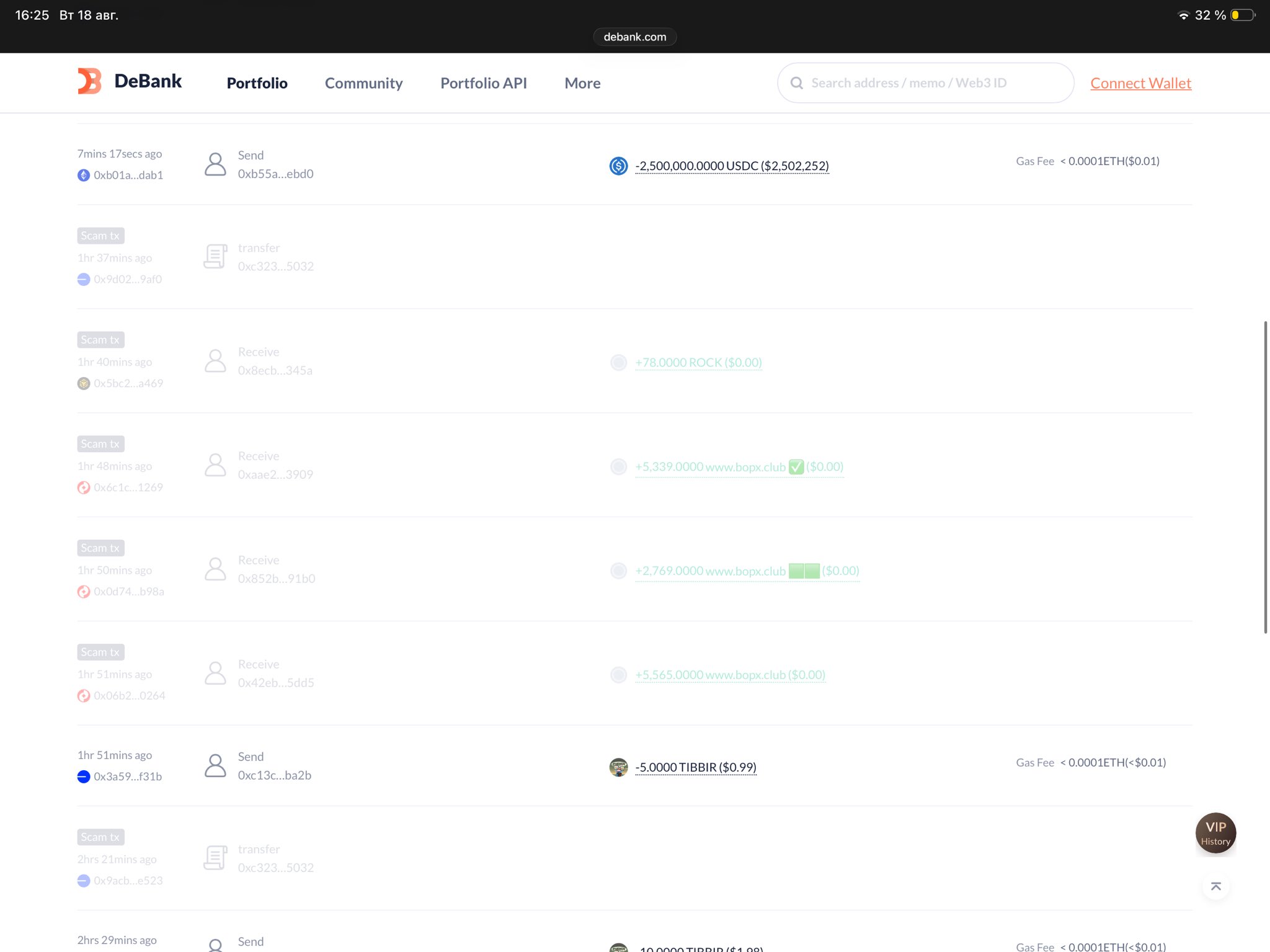
Image source: https://pbs.twimg.com/media/HQAu9UqXgAILqLk.jpg?name=orig
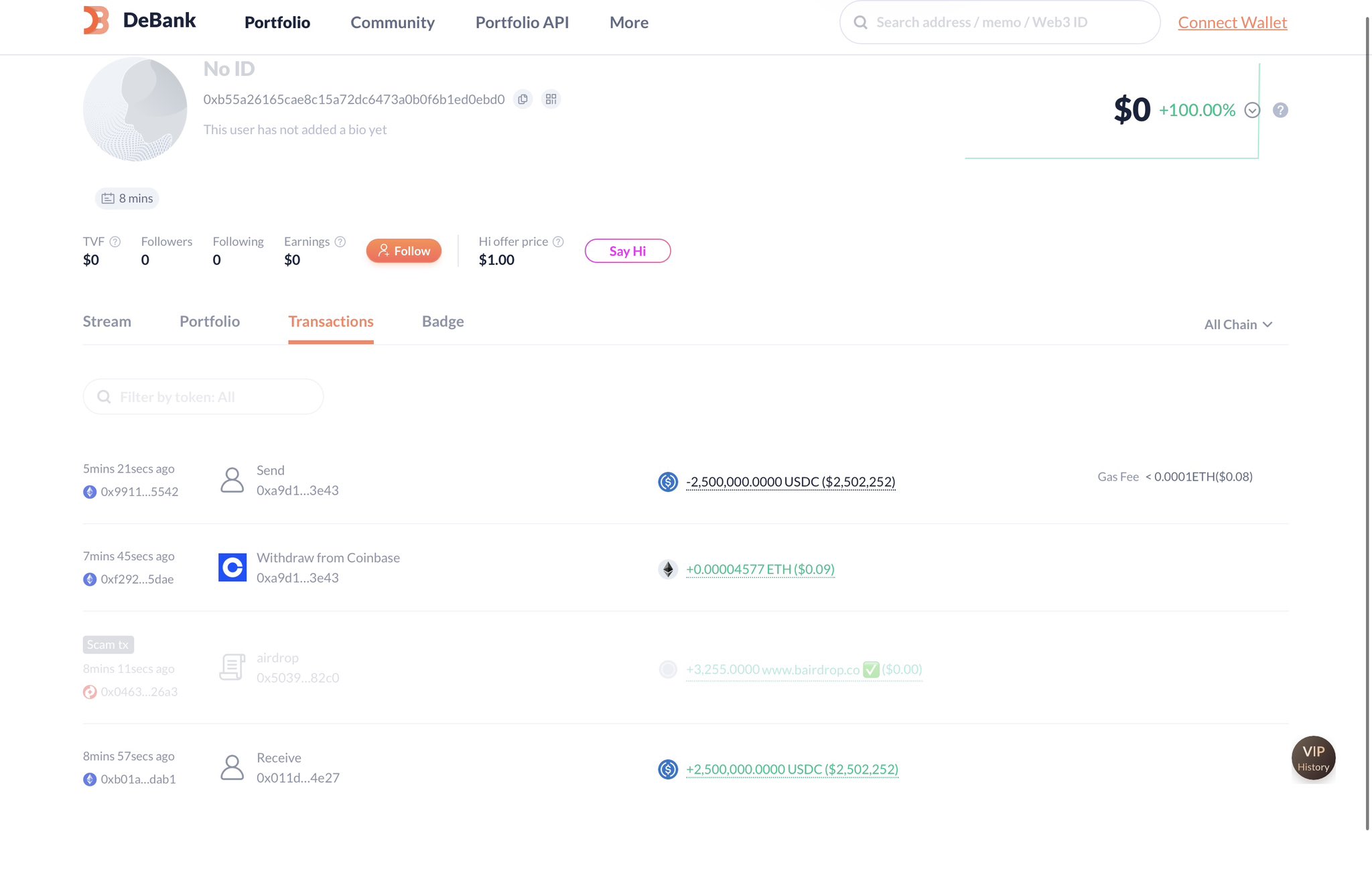
Image source: https://pbs.twimg.com/media/HQAu9UqXEAAXVYZ.jpg?name=orig
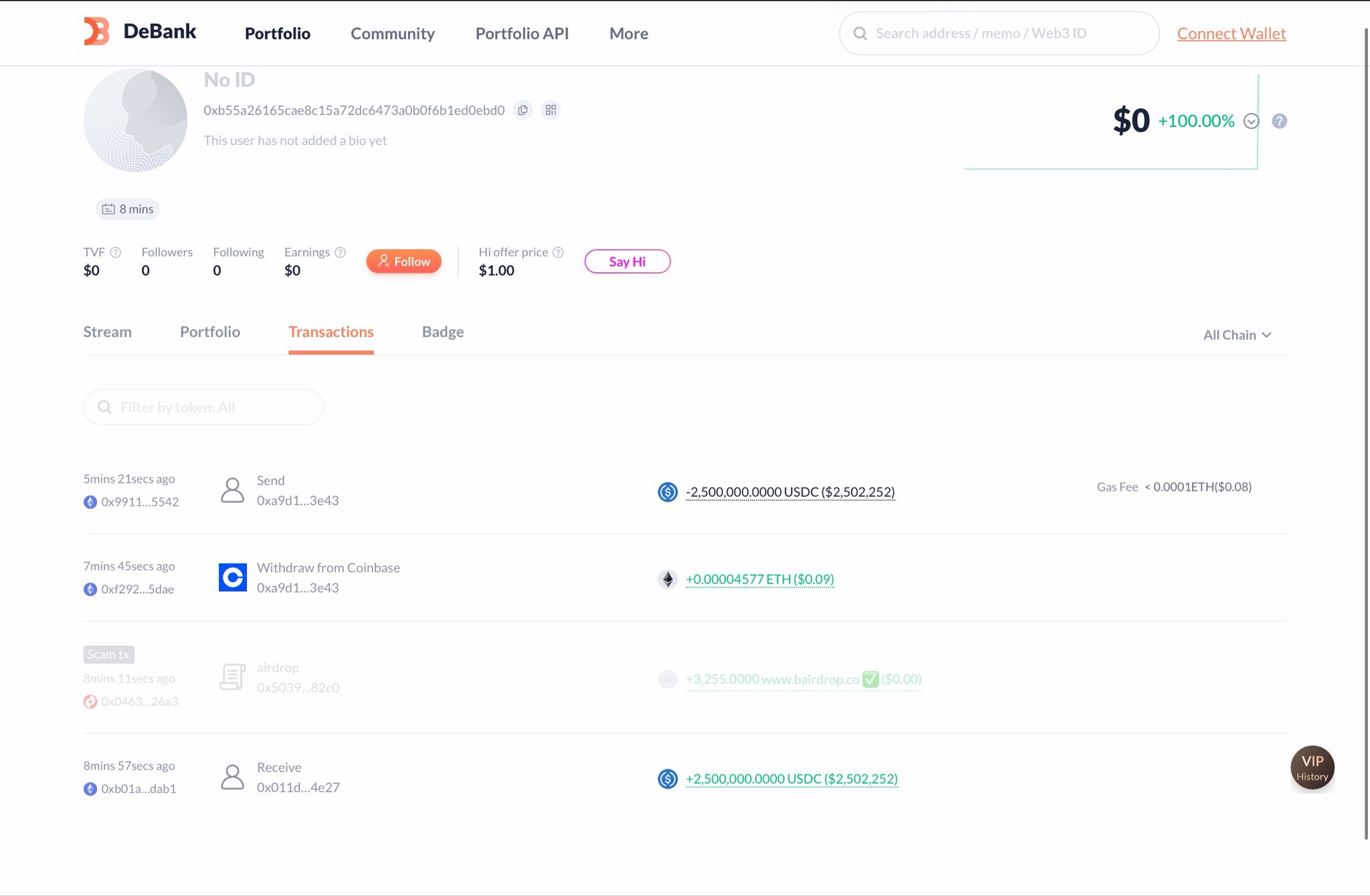
Image source: https://pbs.twimg.com/media/HQAu9UmXUAA9sqM.jpg?name=orig

Image source: https://pbs.twimg.com/profile_images/2103182404156321792/HOWCyW3G_200x200.jpg
Provenance and integrity
{
  "path": "sources/community-deep-dive-2026-10-14/fx-2089721864662679974.json",
  "sha256": "b8adc282223777a35850a11bbb5019217ec0c3343e1f1af124ec30c8985d9697",
  "retrieved_at": null
}
Receipt generated: 2026-10-15T09:54:54.387378+00:00. Publication and retrieval dates are separate. SHA-256 hashes detect changes; they do not independently authenticate the publisher.