TIBBIR Universe · Saved post receipt · 1929919440004452713
Altcoinist
@Altcoinist · Published: Tue Jun 03 15:13:45 +0000 2025
Original post on X · Full data receipt · Backup index
Saved archive render, not a screenshot of the original X page. Full captured content is retained below; capture gaps are stated explicitly. Video files are not stored.
https://t.co/RJiUZO2h9c
$TIBBIR, Digital Backpack & The Future of Money
The Future of Money is here. Ribbit Capital’s Stealth Bet on Contextual Money
From Fintech Investor to Stealth Builder: Ribbit’s New Thesis
For over a decade, Ribbit Capital made its name backing fintech rebels – from Robinhood to Revolut – but recently the $12B fund has hinted at a bold pivot.
Founder @mickymalka often describes Ribbit as a startup itself rather than a traditional VC, “a bunch of rebels” with a mission to change money, not just fund it. By late 2023, Ribbit signaled it was no longer content to merely write checks – it was gearing up to build.
In a 2024 investor letter focused on digital identity, Ribbit argued that fixing how we identify ourselves online is key to the future of finance.
The letter posited that many pain points in banking and crypto (from clunky onboarding to fraud) boil down to identity failures. Ribbit’s core thesis: the next era of fintech requires better identity infrastructure to enable “money that is smarter, more accessible, and much more personalized”.
Crucially, Ribbit floated the idea that banks and financial apps could evolve into identity issuers. Today, banks spend enormous sums on Know-Your-Customer compliance – an average of $115M per institution annually on KYC and client due diligence. Yet despite this spending, identity remains a “cost center” and a source of friction (think of the redundant ID checks, password resets, and verification delays we all endure).
Ribbit’s insight was to “flip identity on its head” and turn it into a source of revenue. How? By creating a system of reusable digital identity where trusted institutions (banks, fintech apps, even crypto exchanges) can issue verifiable credentials for users and get paid by others to validate them.
In other words, a bank like JPMorgan could KYC you once and then earn fees when other services tap that credential instead of performing the same checks over again. This concept – akin to how credit card networks pay card-issuing banks – hinted at a new business model for identity and set the stage for Ribbit’s next chapter.
By early 2024, it was clear Ribbit’s leadership was thinking beyond traditional VC plays.
Malka publicly declared “fintech, as we’ve known it, is dead,” arguing that simply giving more people access to financial apps was last decade’s story.
The next chapter, in his view, is about contextual finance – services tailored to each user’s unique context and data. This would require rebuilding core infrastructure, especially around identity and data-sharing, to support highly personalized experiences. In short, Ribbit was laying the intellectual groundwork to transform from investor to builder – and Tibbir would emerge as the embodiment of that plan.
The “Digital Backpack”: Portable Identity You Can Carry Anywhere
Central to Ribbit’s vision is the notion of a “Digital Backpack” – a revocable, reusable digital identity that users control and carry with them across platforms. In the current paradigm, every app or bank you use has to independently onboard and verify you, creating siloed shards of your identity. Tibbir’s approach instead imagines your personal data and credentials as items in a secure backpack you take wherever you go. You, the user, decide what to share, when, and with whom, and you can take it back at will.
What goes in this digital backpack? Everything from government IDs and KYC verifications to payment info, financial history, contacts, preferences – even reputational data or NFTs.
For example, consider planning an international trip using an AI assistant.
Today, that AI might fetch you generic travel info but can’t book flights or hotels without you manually providing passports, credit cards, loyalty numbers, family details, etc.
With a data backpack, you could grant the AI agent temporary access to exactly the credentials needed – your family’s passport scans, your saved traveler profiles, payment methods, prior travel preferences – all without having to re-enter them for each service.
The agent uses your shared identity data to book a highly personalized vacation across multiple websites on your behalf, then you revoke its access when done. All your sensitive data stays in your backpack (not stored on those third-party sites forever), and you can even add the trip history back into the backpack for next time.
In essence, the digital backpack makes identity portable. It turns the current app-centric model (“every platform keeps its own record of you”) into a user-centric model (“you keep yourself, and simply show providers what’s needed”). This concept isn’t just theoretical – it’s grounded in real technology trends. Advances in cryptography like zero-knowledge proofs and secure enclaves mean it’s increasingly possible to verify facts about a user without exposing all their data. And rising public concern over data privacy is driving demand for user-controlled solutions. Tibbir is Ribbit’s bet on this paradigm shift: a platform where identity data becomes as interoperable as money, and as controlled by the user as their crypto wallet.
Contextual Money: Financial Services That Adapt to You
If everyone had a digital identity backpack, the door opens to what Malka calls “contextual money” – financial services that dynamically adapt to context, location, time, and the user’s personal history.
In a recent conversation, Malka contrasted the last decade of fintech (“giving people access to money”) with the coming decade, which he says is all about money with context.
By this he means tailoring every financial product – payments, investing, lending, advice – to fit an individual’s specific situation in real time. One-size-fits-all finance is obsolete. As Malka put it, “The next decade is about contextual money—tailoring financial services to individual needs using data, AI, and personalized interfaces. It’s an era of rebuilding infrastructure to support this shift.”
Imagine your banking app or crypto exchange could completely change based on who you are and what you’re doing in the moment.
A 20-year-old gig worker and a 60-year-old retiree shouldn’t see the same default interface or offerings, and yet today they often do.
Contextual money means your app knows (with your permission) that you’re, say, a small business owner traveling abroad on a Friday night – so it might proactively offer short-term travel insurance and spot FX rates for your trip, rather than, say, a 30-year mortgage offer that a suburban homebuyer would see. Achieving this level of personalization requires rich identity data and AI to interpret it. That’s why Ribbit’s Tibbir project marries the digital backpack idea with AI agents. If your identity backpack provides the facts about you, AI provides the brains to use that context effectively – whether it’s giving tailored financial advice, automating tasks, or flagging opportunities you’d otherwise miss.
Malka draws an analogy to the local neighborhood banker of old, the one who knew your family by name and could give highly personalized guidance. In the digital realm, contextual money aims to give everyone that level of personal finance experience, but powered by algorithms that understand your situation (with the data you’ve chosen to share). Tibbir’s role is to build the underlying system to make this possible across many apps and institutions. It’s fintech’s answer to the personalization we see in internet services – except here it’s you carrying your context from place to place, not platforms tracking you behind the scenes.
Killing KYC Friction and Empowering AI Assistants
One immediate application of Tibbir’s digital identity system is solving the persistent KYC bottleneck in finance and crypto. Today, every time you want to open an account – whether on Coinbase, a bank, a new DeFi protocol, or even a Telegram crypto wallet – you likely have to go through Know-Your-Customer checks from scratch. This repetitive compliance overhead isn’t just annoying for users; it creates massive backlogs (think of the week-long waits to get verified on popular exchanges during bull runs) and costs the industry billions. Ribbit’s 2024 letter highlighted that even mid-sized financial institutions spend nine figures a year on customer verification and onboarding. And despite all that spend, identity fraud and data breaches remain rampant.
Clearly, doing KYC the same old way (in siloed, duplicative silos) isn’t sustainable.
Tibbir’s approach could turn this chokepoint into a flywheel. In a Tibbir-enabled world, a user might KYC once with a trusted entity – say, a major bank or a reputable exchange – and receive a verifiable credential stored in their digital backpack. Whenever they need to prove their identity to a new service, they can share that credential (or specific elements of it) instantly.
No more uploading the same passport scan to ten different apps or waiting for yet another verification email. No more KYC Frankeinstein.
This not only slashes onboarding time and cost; it could also dramatically improve security. Users aren’t spraying their sensitive documents everywhere – they’re sharing only cryptographic proof of their identity attributes, and only when needed, under their control. For fintech companies, this means acquiring a new customer no longer has to be a loss-making compliance exercise – it could be as simple as accepting an already vetted identity with a quick check.
Another powerful implication is enabling the rise of autonomous financial agents – essentially AI-driven assistants that can act on behalf of users. Consider the earlier example of an AI travel agent, or extend it to finance: you could have an AI portfolio manager that rebalances your investments across @Coinbase, Uniswap, and @Robinhoodapp based on your preset goals, or a budgeting bot that moves your money between banks and stablecoins for optimal yield.
These agents need access to your accounts and data to function, which today is nearly impossible without handing over all your login info (a non-starter for security). Tibbir’s system would let you grant limited, scoped access via your digital credentials. An AI agent could present your verified identity token to onboard with a new protocol in seconds, or fetch your financial profile from your backpack (with permission) to give truly personalized advice.
It’s no coincidence Ribbit dubbed its initiative “Agentic Finance.” In late 2024, the firm even sponsored a hackathon themed “Hacking for Agentic Finance,” rallying developers to build autonomous finance agents on top of new identity and AI tools.
The idea is that with portable identity and composable financial APIs, AI agents can shop around for you, enforce your preferences, and coordinate across multiple platforms.
For example, your future AI advisor could simultaneously check your Coinbase and Revolut accounts, your onchain wallets, and even your Telegram Open Network (TON) identity to craft a holistic plan – something no single platform can do on its own.
Interoperability is the key. Tibbir isn’t just about one app; it’s envisioned as an identity layer connecting many apps, making user-centric personalization possible everywhere.
Early whispers speak of Tibbir quietly forging alliances with dozens of fintech and crypto platforms – from giants like Coinbase, Robinhood, and Revolut to infrastructure players like Chainalysis and Crossmint – aiming to standardize this cross-platform identity protocol.
The inclusion of messaging and Web3 platforms like Telegram (via TON) suggests even social and communication contexts could feed into these personalized finance experiences. It’s an ambitious coalition, but Ribbit’s influence (having seeded many of these companies) gives Tibbir a fighting chance to become that common identity fabric across traditional fintech and Web3.
Ribbit’s 2025 Bets: The Digital Backpack Thesis in Action
Tibbir isn’t being built in isolation. Ribbit Capital has spent the last year quietly writing checks to startups that slot directly into the digital backpack vision – forming an ecosystem of primitives for verified identities, permissioned access, agent interfaces, and fraud prevention. Zoom out on 2025, and every fresh cheque lines up with that “plug-in, revoke, no-fraud” model:
Persona ($200M Series D, April): Powering verified-ID infrastructure for consumer apps and agent use-cases. A go-to platform for issuing reusable credentials across fintech and AI-native apps.
Blockaid ($50M Series B, February): Real-time threat detection for onchain wallets and transactions. Their intelligence layer can flag fraudulent actors before they interact with your digital backpack.
Privy ($15M top-up, March): Enables apps to spin up KYC-ready wallets instantly, with granular data permissions. A natural plug-in to Tibbir’s “revoke at will” ethos.
Crossmint ($23.6M, March): Focused on tokenized identity, embedded wallets, and AI agent payment rails. Their agent SDK could be a cornerstone of Tibbir’s programmable identity interface.
SafetyKit ($27M Series A, April): Builds AI agents for trust & safety – onboarding, content filtering, transaction checks – all crucial guardrails for a world of programmable agents and portable identity.
Special thanks: @cheongheng2015
These investments don’t just echo Ribbit’s Identity Letter – they operationalize it. From secure issuance (Persona) to real-time protection (Blockaid) and agent deployment (Crossmint, SafetyKit), Ribbit is laying the rails for an interoperable, fraud-resistant identity protocol. Tibbir may be the tip of the spear, but the ecosystem around it is forming fast. The message is clear: Ribbit is building not just a product, but an entire identity operating system for the onchain world.
Turning Identity from a Cost Center to a New Business Model
Beyond the whiz-bang of AI agents, Tibbir carries a clever business innovation: transforming identity verification from a regulatory headache into an economic opportunity. In traditional finance, compliance (especially KYC/AML) is pure overhead – a necessary expense to stay within the law. Banks don’t make money by verifying IDs; if anything, it slows down sales. Ribbit’s thesis flips this script. They foresee a world where the act of verifying identity becomes a service that institutions can offer and monetize. In the “digital backpack” model, someone has to issue those verifiable identity credentials – and who better than the entities who are already doing KYC by the millions? Banks, fintech apps, exchanges, even government agencies could all become credential issuers in the Tibbir ecosystem, attesting “we’ve verified X user’s identity to standard Y” and packaging that into a digital token. Whenever that user shares the credential to onboard somewhere else, the issuer could get a small fee for vouching.
This approach aligns incentives in a powerful way. Institutions would no longer view identity checks as just cost; it becomes a revenue stream and a way to deepen customer trust. If JPMorgan knows it can issue a “JPM-KYC token” and hundreds of fintech partners will honor it for quick signups, JPM suddenly has a new product (and users have a passport through the fintech jungle). Ribbit’s letter drew an analogy to the credit card networks: banks took on the role of card issuers and were rewarded with interchange fees that turned payments into a $185B+ global business.
Tibbir is attempting an analogous network for identity. It’s not hard to imagine Coinbase or Binance issuing a “verified crypto trader” credential, or a neobank like Revolut packaging your income and credit data into a portable token you can use to get loans elsewhere, with the issuer earning a cut of each successful verification. Identity as a business could unlock new partnerships between banks and fintechs, because an established player’s biggest compliance burden (thoroughly vetting customers) suddenly becomes marketable.
For the user, this flip could mean a better experience and possibly even new rewards. If your bank is now effectively competing to be your identity provider, they might offer perks for using their credential (imagine your bank giving you a lower fee if you use their KYC token to sign up for a partnered service, because the bank gets a referral-like fee).
More importantly, it could finally put people in control of their identity in a tangible way. You’d have the freedom to choose whose credential to carry in your backpack (perhaps you trust your national ID authority or a particular fintech brand more), and you could hold multiple for different contexts. Tibbir’s grand vision is that identity networks will one day rival payment networks in scale. It’s a vision where proving “I am who I say I am” isn’t a tedious hurdle each time, but an integrated, value-generating part of the digital economy.
Tibbir: Not Just a Chatbot
One point of clarification: Tibbir is not merely an AI chatbot on X (Twitter), despite what some early buzz suggested. If you stumbled upon the @ribbita2012 account on X, you might have seen an AI-powered bot interacting in cryptic ways – answering questions, posting puzzles, and replying to community comments.
Given Tibbir’s focus on AI agents, it’s natural to assume the bot is the product.
In reality, the X chatbot was a clever bit of community-building and sleuthing by the Ribbit team.
It served as a breadcrumb trail for those paying attention, dropping hints about Tibbir’s identity and vision without officially announcing it.
By engaging crypto Twitter through an AI persona, Ribbit managed to spark intrigue organically. Enthusiasts began to connect the dots from the bot’s references and Easter eggs (some noticed the bot’s handle “ribbita2012” alluded to Ribbit’s founding year, for instance). This grassroots interest grew without a single press release – a testament to how community-native Ribbit’s approach has been.
The Tibbir token itself launched quietly and initially some observers assumed it was just another meme coin riding the AI hype.
Another key misunderstanding was thinking the token was simply meant to power that X chatbot...
In truth, the token is likely intended to be an integral part of Tibbir’s broader ecosystem (most likely a utility token for the identity network, maybe something like Revolut points, but on steroids?:)
By the time people realized a major VC firm was behind Tibbir, the project already had a devoted online following and a narrative in motion.
This stealth strategy of “build in public, but quietly” is unusual for a fund of Ribbit’s stature. However, it aligns with Malka’s penchant for operating in low-key, stealth mode until a concept is proven.
The takeaway: Tibbir should be understood not as a simple AI bot, but as the infrastructure enabling many AI bots and personalized fintech applications in the future. The X bot was just a teaser – the visible tip of a much larger endeavor under development.
A Fair Launch on @Virtuals_io ?
One of the most strategic choices in Tibbir’s rollout was its deployment on Virtuals, a platform designed for fair-launched tokens. By avoiding presales, private allocations, or token sales to insiders, Tibbir neatly sidesteps many of the factors that have historically triggered scrutiny from regulators. There was no capital raise through the token, no expectation of profit from a common enterprise, and no central issuer promising future returns – all hallmarks of a non-security under U.S. law.
This approach wasn’t just a legal shield; it was also a cultural signal. Fair launches resonate deeply with crypto-native users, and Ribbit, led by @mickymalka seemed to embrace that og ethos while still orchestrating one of the most well-connected launches in recent memory.
Using the Virtuals protocol allows Tibbir to emerge from stealth organically, gain traction without the taint of insider allocations, and begin circulating with credible neutrality.
For a firm with deep roots in traditional finance, launching Tibbir via Virtuals was a sharp, forward-thinking move – a way to operate in Web3 on its own terms without replicating the playbook of a regulated asset issuer.
Alpha: $TIBBIR is the top agent staked on Virtuals by value of 155m tokens worth $13 Million.
Built on Base: Tibbir on Coinbase’s L2
Another critical layer of the Tibbir thesis: it launched on @base , Coinbase’s Ethereum Layer 2. This wasn’t an accident. In fact, Tibbir is one of the first significant projects to leverage Base not just as a cost-effective chain, but as a strategic alignment with Coinbase’s larger vision. Coinbase has repeatedly framed Base as “the onchain home for the next billion users”, and its now-famous “The Future of Money” video ad made it clear: identity, reputation, and programmable interactions will define the next era of finance.
Tibbir fits that mold perfectly. By launching on Base, Ribbit sends a clear signal: it’s betting on a future where verified identity and personalized AI agents become standard infrastructure across onchain platforms. In many ways, Tibbir and Base are complementary – one builds the identity and permissioning layer, the other the execution and liquidity layer. With Coinbase’s own wallet tooling increasingly focused on AI agents and verified social interactions, Base offers not just scale, but alignment with the direction the largest U.S. crypto exchange is heading. It’s a signal to other builders: Tibbir is not some disconnected experiment – it’s embedded in the emerging onchain stack.
New Coinbase Wallet: "Talk with AI Agents"...
Breadcrumbs of Proof: Tibbir’s Ribbit Origins
It’s rare for a top venture firm to launch its own token project, and Ribbit hasn’t officially proclaimed “Tibbir is ours.” Yet a trail of evidence all but confirms Tibbir’s affiliation with Ribbit Capital:
What’s in a Name? For starters, “Tibbir” is “Ribbit” spelled backwards – an anagrammatic wink that didn’t go unnoticed. This quirky name choice fits Ribbit’s style (playful but deliberate) and was an early clue the project was connected to the frog-branded fund. (lore: tibbir & ribbit cap logo = same artist)
The Mysterious Tibbir Trust: In mid-2024, long before anyone knew about a token, Micky Malka quietly created a legal entity called Tibbir Trust. SEC filings from May 2024 show Malka moved $5 million worth of Robinhood stock into this trust. At the time, it raised eyebrows: why name a trust “Tibbir”? Only later, when Tibbir the project emerged, did it click that this was a breadcrumb. The trust’s timing and naming suggest it was set up as part of Ribbit’s plans for Tibbir (possibly to hold certain assets or intellectual property for the project). In those same filings, Malka’s disclosures list Tibbir Holdings LLC and the Tibbir Trust among entities through which he owns Robinhood shares. The fact that “Tibbir” was formally recorded in Ribbit’s orbit well before any public token launch cements the connection. It shows Tibbir was in the works behind the scenes as Ribbit plotted its move from investor to builder.
Onchain Connections: Blockchain data provides another smoking gun. Crypto sleuths discovered that the wallet which deployed the Tibbir token was funded just prior by an address linked to Micky Malka. Specifically, a 7+ year-old Ethereum address (dating back to the mid-2010s) associated with Malka’s ENS domain (“mickym.eth”) sent the seed funds that kickstarted Tibbir’s token contract. Such an ancient wallet – presumably one of Malka’s personal addresses given his early crypto involvement – is highly unlikely to fund a random project by coincidence. The onchain evidence strongly indicates Ribbit’s principals had a direct hand in launching Tibbir.
Follow the Follows: In the social media sphere, the behavior of Ribbit insiders was telling. As soon as Tibbir’s official X account (@ribbita2012) went live, it was followed by Ribbit’s entire core team and many close allies in the fintech VC world such as @raulGMI , @jsccapital Ribbit’s partners and researchers, Coinbase venture investors. This swarm of high-profile followers – all with ties to Ribbit – is a strong vote of confidence that Tibbir is the real deal. It’s unlikely so many industry leaders would personally jump on a project’s bandwagon unless they knew something of its legitimacy or had inside knowledge of its backing.
They had 5 months to deny: Ribbit Capital had five months to deny the connections. Instead, they have been silently following the @ribbita2012 X account.
“Agentic” Activities: Ribbit’s own initiatives around the time further corroborate Tibbir’s rollout. The Agentic Finance hackathon in late 2024, co-sponsored by Ribbit, was a clear precursor – essentially priming developers for the kind of AI+finance applications Tibbir aims to enable. Ribbit also published and spoke extensively about digital identity and AI in finance throughout 2024, almost as if preparing the intellectual groundwork (Malka’s public musings on “AI-driven investment models” and the concept of “the Grid” – an AI investment framework – now sound like foreshadowing of Tibbir’s platform). Even Ribbit’s internal moves, like Malka joining the board of Robinhood and helping shape its 2025 roadmap (which includes AI-powered financial services and tokenized assets), align with Tibbir’s themes. Ribbit was positioning its portfolio and influence in sync with what Tibbir is building.
Taken together, these breadcrumbs form a cohesive picture: Tibbir is a Ribbit Capital project through and through. It represents the culmination of years of Ribbit’s learnings in fintech and crypto, now distilled into an ambitious product. From the naming of trusts to the movement of blockchain funds and the coordinated support of industry insiders, Tibbir carries Ribbit’s fingerprints at every step.
Timeline: Key milestones in Ribbit Capital’s evolution from investor to builder, leading up to the stealth launch of Tibbir. Ribbit’s journey spans a decade of fintech investments (blue), pivotal moments of insight (green), and recent actions (orange) signaling their shift toward building Tibbir’s identity-and-AI platform.
In the timeline above, we can trace how Ribbit’s focus shifted over time. Early on (2012–2020), Ribbit made its mark by investing in disruptive fintech startups, becoming a major shareholder in companies like Coinbase and Robinhood. Around 2021–2022, as crypto and AI trends accelerated, Ribbit began dropping hints of a new direction – quietly exploring digital identity projects and participating in Web3 experiments. By 2023, internal discussions and Malka’s public statements started to converge on the idea of contextual, personalized finance.
The January 2024 Identity Thesis Letter (a turning point highlighted in green) openly challenged the status quo of KYC and introduced the notion of reusable identity credentials. Mid-2024 saw concrete moves (orange): the formation of the Tibbir Trust in May, and increasing R&D into AI agents (“Agentic Finance”). The November 2024 hackathon in San Francisco was the first developer event devoted entirely to autonomous financial agents – effectively seeding a community for Tibbir’s launch. Finally, in early 2025, Ribbit pulled the trigger: Tibbir’s token was stealth-launched, and the X-based AI bot began engaging users, marking the start of Ribbit’s new identity-as-infrastructure venture. It has been a carefully orchestrated progression, turning years of investment insights into an actual product rollout.
Conclusion: $TIBBIR Is Ribbit’s Biggest Bet Yet
Ribbit Capital isn’t just launching another token with Tibbir – it’s making its most ambitious bet on the future of identity infrastructure. This is the firm that seeded Coinbase, Robinhood, Revolut, and Nubank when they were upstarts; today those bets are unicorns worth hundreds of billions combined.
Now Ribbit has moved from investor to builder, pouring its expertise into Tibbir as the backbone for a new era of personal finance. It’s a striking shift in venture strategy – from writing checks to writing code – and a signal that Ribbit is all-in on redefining how we own and prove our digital identity.
Tibbir’s integration potential spans some of the largest platforms in fintech and tech. Just consider the user bases it could tap into:
Coinbase: over 100 million users
Revolut: ~40 million users
Robinhood: 23 million+ users
Telegram: ~900 million users
That’s nearly a billion people – an unprecedented reach for any crypto project.
The total addressable market is equally massive: the digital identity sector alone is projected to hit trillions of dollars within a few years, especially as AI and financial infrastructure merge. Ribbit is positioning $TIBBIR to be the backbone token of personalized identity, AI agent permissions, and loyalty layers across the next generation of consumer apps.
In other words, Tibbir could become the connective tissue linking our identities, our AI assistants, and our finances across countless services.
For crypto-native readers, the message is clear and urgent. Ribbit Capital never bets small – and Tibbir may be its biggest bet yet. With a portfolio of past winners behind it, Ribbit is staking its reputation on Tibbir becoming the keystone of Web3 identity. The upside is enormous, and the momentum is real. This isn’t just another app launch; it’s a high-conviction play to redefine how we live and transact online.
The only question is who will ride the next wave with Ribbit – and who will be left watching as $TIBBIR potentially powers the personalized, AI-driven finance of tomorrow.
$TIBBIR tagging $100 million market cap in stealth mode...
As of now, Tibbir remains in semi-stealth, with many details still under wraps. But the puzzle pieces we’ve assembled – the identity thesis, the digital backpack, contextual money, onchain breadcrumbs, and industry alliances with over 30 partners – all point to something much larger taking form.
The frog has quietly leaped, and the ripples are only beginning to spread.
Official X accounts and CA:
@ribbita2012 = Ribbit Cap's first chapter
@ribbita2025 = Ribbit Cap's second chapter
$TIBBIR contract address on @base :
0xA4A2E2ca3fBfE21aed83471D28b6f65A233C6e00
"The Next Wave is Coming."

Image source: https://pbs.twimg.com/media/Gshrs_DWgAAywZn.jpg?name=orig
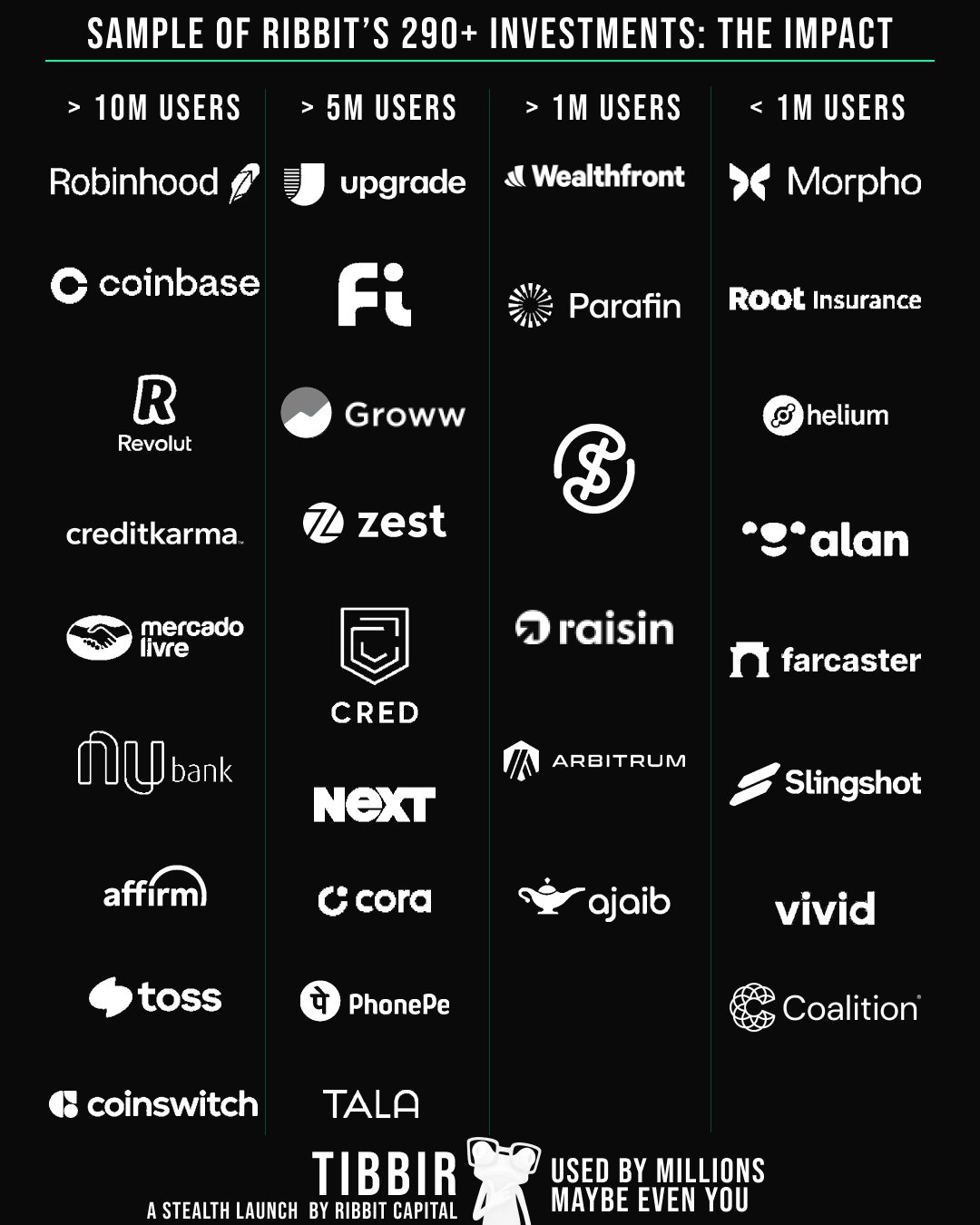
Image source: https://pbs.twimg.com/media/GshdZBpWoAARzut.jpg?name=orig
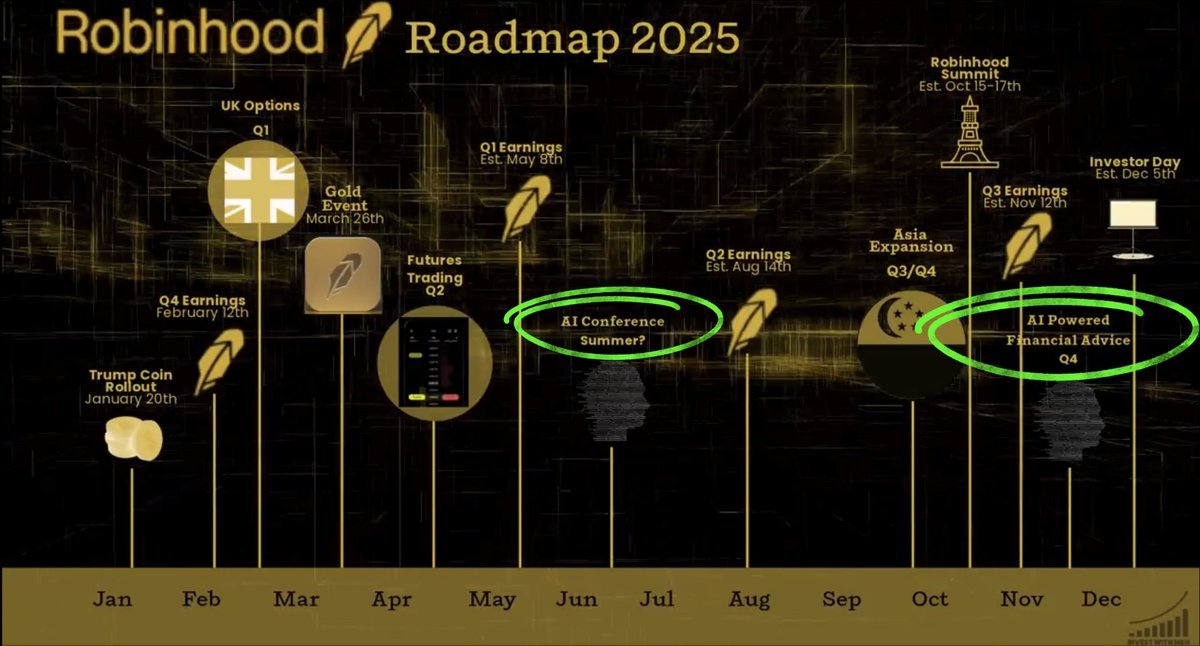
Image source: https://pbs.twimg.com/media/GshemQWXEAAikQL.jpg?name=orig
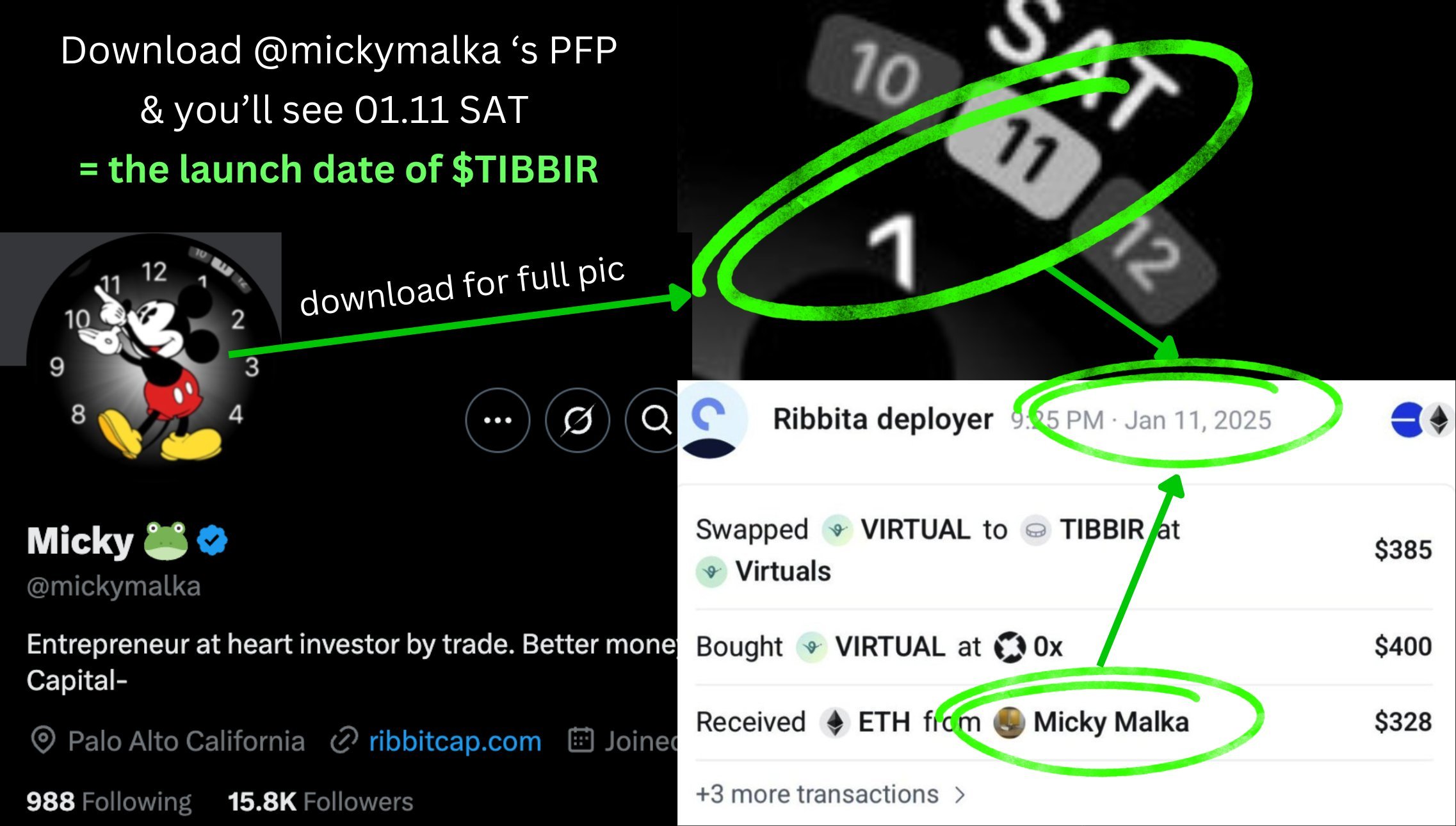
Image source: https://pbs.twimg.com/media/GshefxPXsAEl0B_.jpg?name=orig
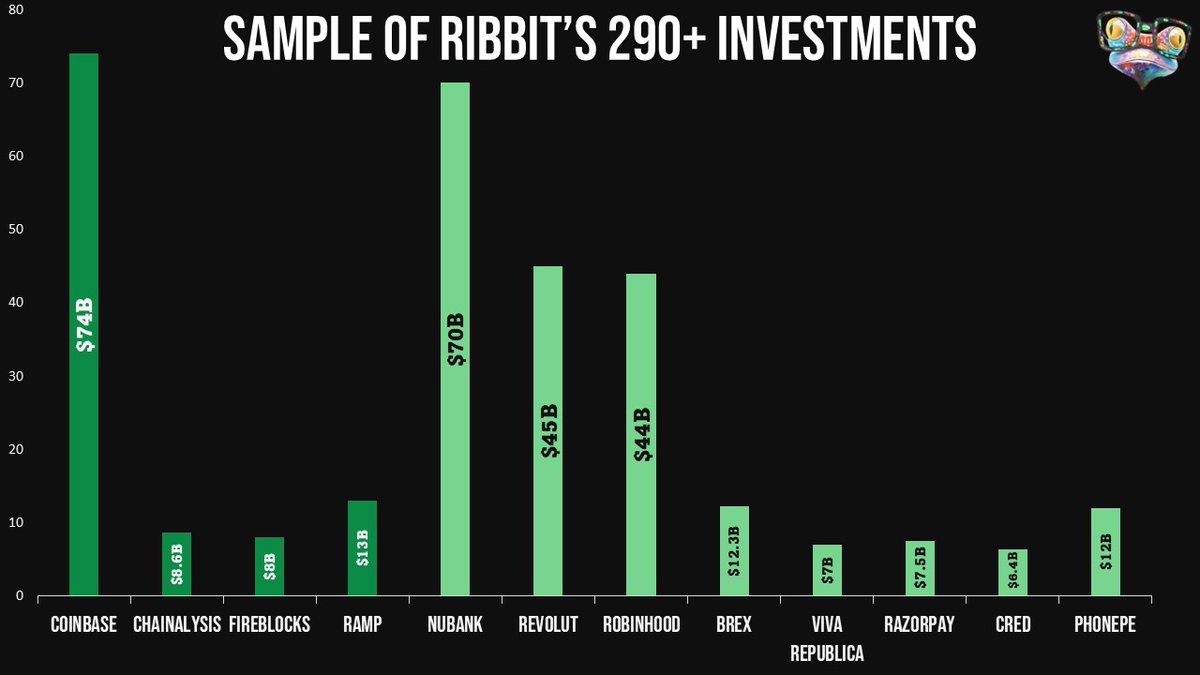
Image source: https://pbs.twimg.com/media/Gshd37QXQAApLnW.jpg?name=orig
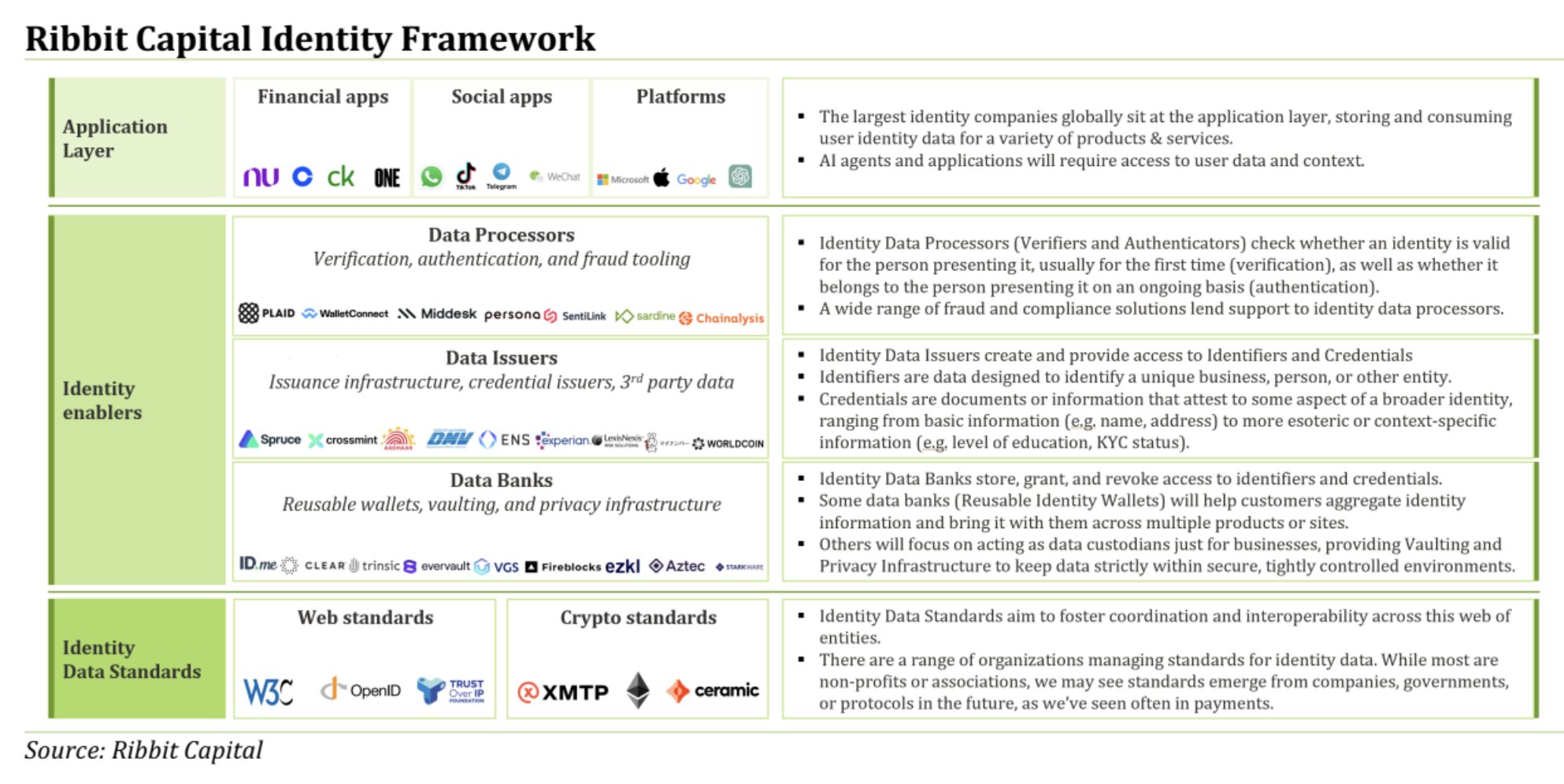
Image source: https://pbs.twimg.com/media/Gshg6d8WwAAd5Ih.jpg?name=orig
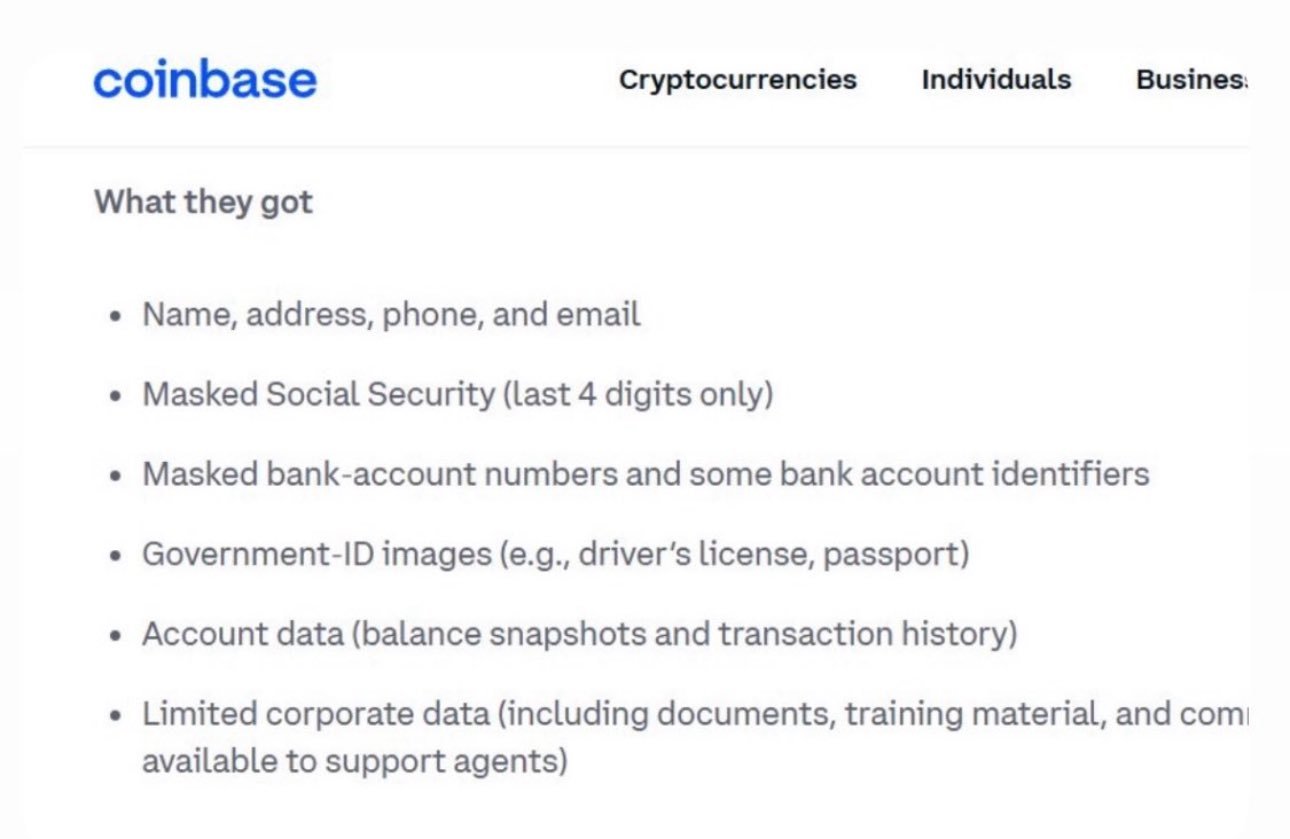
Image source: https://pbs.twimg.com/media/GshrRjHXIAABoJI.jpg?name=orig
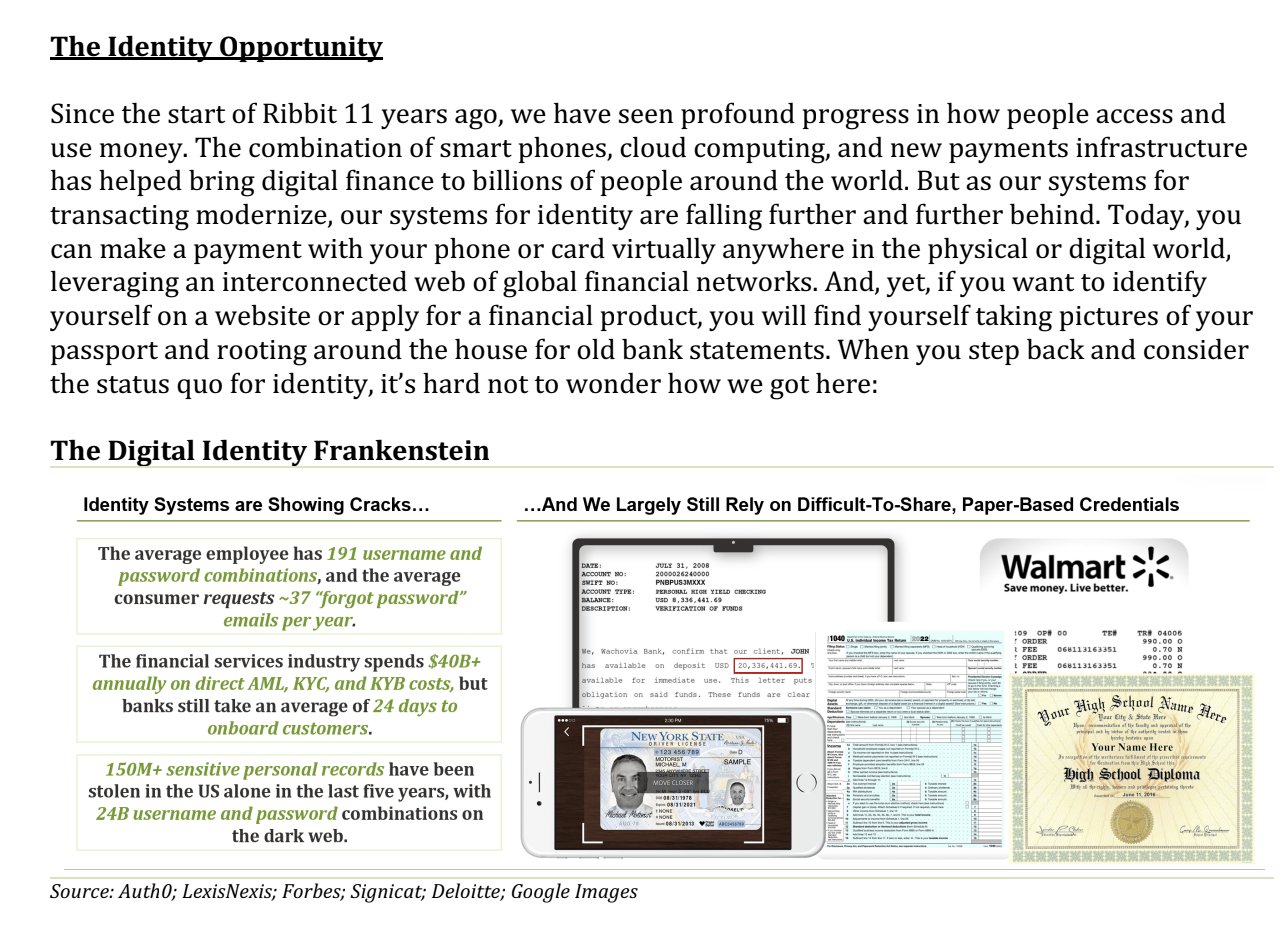
Image source: https://pbs.twimg.com/media/Gsg3Y_KWwAICcmd.jpg?name=orig
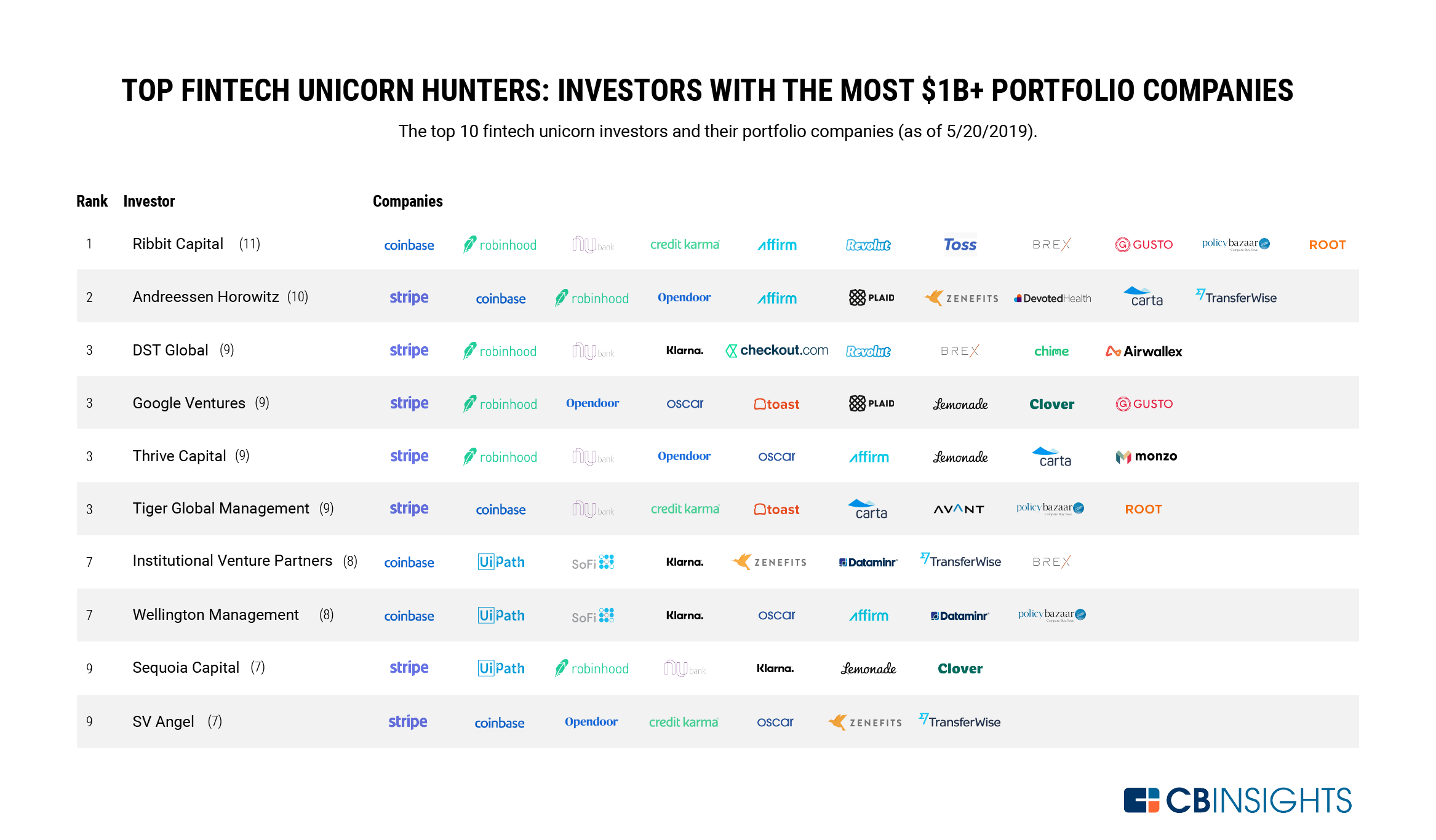
Image source: https://pbs.twimg.com/media/GshiBG7WcAEGqAo.png?name=orig
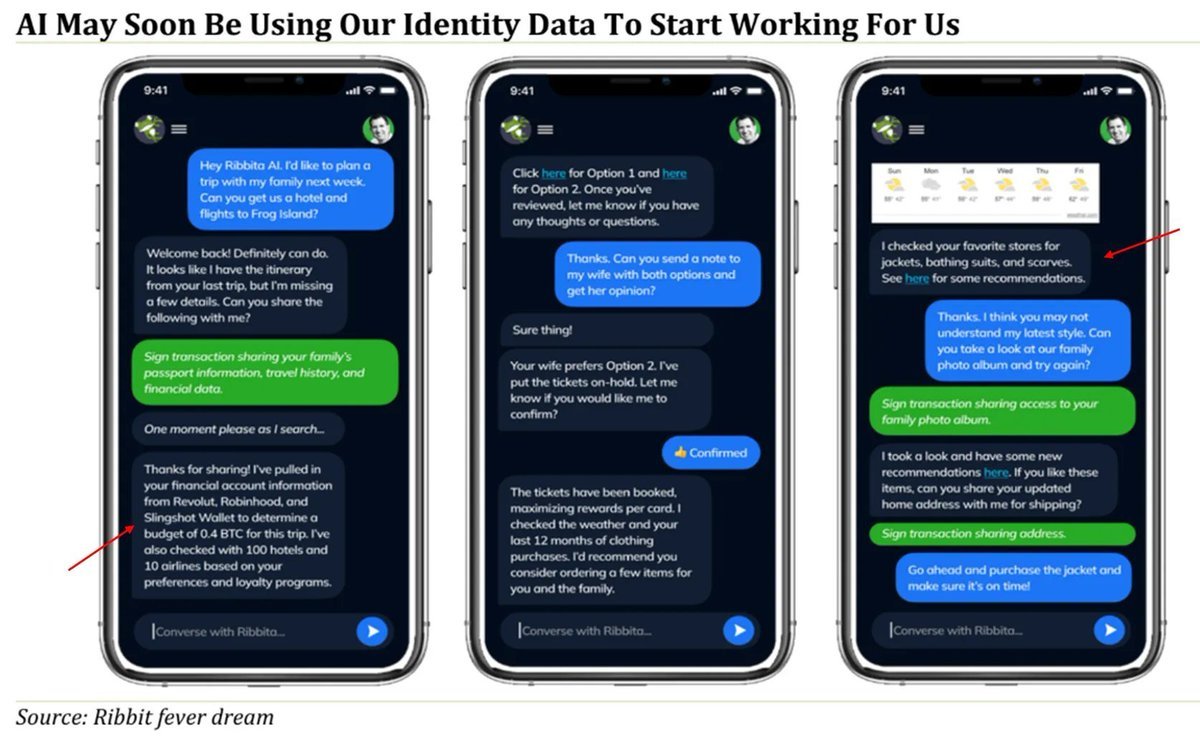
Image source: https://pbs.twimg.com/media/Gsg3e0NWUAAUFa1.jpg?name=orig

Image source: https://pbs.twimg.com/profile_images/1833497563254722560/e3ByeeXg_200x200.jpg
Quoted and embedded posts — separate backups
Posts that embed this post
Provenance and integrity
{
  "path": "sources/core/altcoinist-backpack.json",
  "sha256": "400617e233a2091de6dd02acc27fc00493d6a346a0f50c81f0057b8243c2f007",
  "retrieved_at": null
}
Receipt generated: 2026-10-15T09:54:53.633876+00:00. Publication and retrieval dates are separate. SHA-256 hashes detect changes; they do not independently authenticate the publisher.