TIBBIR Universe · Saved post receipt · 1976633347091873830
Altcoinist
@Altcoinist · Published: Fri Oct 10 12:58:08 +0000 2025
Original post on X · Full data receipt · Backup index
Saved archive render, not a screenshot of the original X page. Full captured content is retained below; capture gaps are stated explicitly. Video files are not stored.
https://t.co/klAcihNLG2
Ribbit & The Stealth Backend
What if Ribbit Capital’s next Coinbase, Robinhood, or Revolut–level $100B bet isn’t a consumer app… but backend infrastructure?
(for alpha: end of the article - The Mysterious Stealth Token)
Understanding The Ribbit Identity Vision
Identity is the invisible glue holding finance together – and Ribbit Capital knows it. The fintech VC giant recently declared that “identity is the new money,” underscoring how knowing who is behind each transaction is as critical as the transaction itself.
Ribbit’s portfolio spans consumer trading apps, global neobanks, crypto platforms, and AI startups. What’s the common thread?
Each of these businesses grapples with onboarding users, verifying identities, securing wallets, and now even handling AI agents acting on customers’ behalf.
Ribbit Capital has formulated an Identity Framework for this new era, consisting of an Application Layer, Identity Enablers, and Data Standards. And at the center of it all, one company is emerging as the connective tissue across these layers...
Ribbit’s Identity Framework:
Applications, Enablers, and Standards
Ribbit’s thesis breaks the digital identity ecosystem into three parts:
Application Layer: These are the consumer and business applications that “live” closest to the end-users. Think of fintech superapps like Robinhood, Revolut, corporate finance platforms like Brex, social apps like Telegram, or consumer apps like OpenAI and Microsoft. They sit at the top, delivering services (trading, banking, payments, etc.) and storing rich identity data on their users. Every time you open an account or make a transaction, these apps are handling your personal data, verifying who you are, and tailoring services to you. The Application Layer is where identity is consumed to offer products – but it’s also where identity is often siloed in one app’s database.
Identity Enablers: Below the surface, a host of infrastructure players provide the tools to manage identity across apps. These include verification providers (for example, Ribbit-backed Persona or ID platforms like ID.me), authentication services, wallets, and compliance APIs. Identity Enablers make identity portable and secure – they issue credentials, verify documents, store sensitive data, manage wallets, and handle the heavy lifting of KYC/AML compliance. They are the “rails” that Application Layer companies rely on to onboard users quickly and safely. Importantly, this category also covers the emerging agent infrastructure – tools that allow not just humans but AI agents to have verified identities and wallets.
Data Standards: For identity to be reusable across platforms, everyone needs to speak the same language. Data Standards are the common protocols and formats that enable credential-based interoperability. This includes technical standards (like verifiable credentials, decentralized identifiers, or protocols like OAuth/OpenID) and industry agreements (e.g. how a “verified customer” is defined, or how a digital KYC certificate should be recognized). Standards are critical to ensure that an identity verified by one entity can be trusted and understood by another. Ribbit’s research highlights that lack of shared standards has been a major blocker – too many identity systems can’t talk to each other, forcing users to re-verify themselves for every new service. A unified framework of data standards would let a user’s “digital passport” be accepted anywhere, much like a Visa or Mastercard network does for payments.
In Ribbit’s view, banks and fintechs may evolve into “Data Banks” – trusted vaults of customer identity data that can issue reusable identity credentials. And those credentials, if standardized, could be accepted across the financial ecosystem.
The holy grail is turning today’s costly compliance processes into a revenue opportunity...
for example, a bank or fintech could KYC (or KYA?:) a user once and then earn fees when other apps tap that verified identity instead of repeating the process. But to get there, the industry needs a unifying infrastructure that links application-layer services, enabling identity providers, and common standards into one seamless network.
Enter Crossmint, The Glue of The Ribbit Fintech & Crypto Empire...
AWS for Identity & AI Agents
Every grand vision needs an execution layer – and Crossmint is stepping into that role. Think of Crossmint as a sort of “AWS for financial identity and agents.”
Just as Amazon Web Services became the behind-the-scenes platform powering countless web applications, Crossmint is building a behind-the-scenes platform to power identity verification, wallets, and agentic operations across fintech and crypto. It’s a full-stack infrastructure that others can build on poised to onboard Web2 giants.
Crossmint sits at the center of Ribbit’s identity framework: it offers plug-and-play infrastructure, serves as an identity provider, and aligns with emerging interoperability standards. Within this model, it plays two key roles - Data Issuer and Data Bank.
As a Data Issuer:
Crossmint enables fintechs and banks to issue reusable, verifiable identity credentials through simple APIs. A company can attest that a user passed KYC or holds an account, and other services can instantly verify it. Instead of identity being a one-off hurdle, Crossmint turns it into a portable asset: prove once, reuse everywhere. Banks and apps can even be compensated when their credentials are validated elsewhere. This positions Crossmint as the network layer for trusted identity data exchange — much like card networks for payments.
As a Data Bank:
Crossmint provides secure wallets and vaults for credentials and assets, designed for both people and AI agents. Unlike legacy systems that treated bots as threats, Crossmint makes agents first-class citizens. Its smart-contract wallets allow programmable controls (spending limits, delegated authority, multi-sig), so users can entrust agents with funds, tokens, and permissions safely.
Enterprise-Grade Infrastructure:
Crossmint emphasizes compliance and reliability: SOC 2, HSMs, end-to-end encryption, and licenses (VASPs today, MiCA on the way). This lets fintechs piggyback on a trusted, audited platform instead of duplicating compliance work - delivering Ribbit’s “trusted center” vision for regulated identity rails.
Protocols & Partnerships:
To become the “AWS for AI agents,” Crossmint is co-developing open standards. With Google, it backs the Agent Payment Protocol (AP2) for agent-driven commerce, extending HTTP 402 into a crypto-native payment layer (e.g., stablecoin USDC). Visa is piloting credential-powered payments with Crossmint as well. These partnerships give it early access to protocols and cement its role as the default on-ramp for agentic payments, credential exchange, and automation — all via a simple API.
In short, Crossmint is building the universal middleware for identity and automation in finance.
It offers the Lego pieces – from wallet custody and stablecoin payments to onchain tokenization and ID credentials – that any app or AI can mix-and-match to create new financial experiences.
And it abstracts away the blockchain complexity entirely. Developers integrate a few lines of Crossmint’s code and instantly tap into a world of onchain functionality (the same way a company might spin up AWS servers instead of running their own).
This combination of convenience and power is why Crossmint has quietly attracted 40,000+ developers and companies to its platform, ranging from tiny startups to giants like Adidas and Red Bull. It’s a sign that the era of agentic, onchain finance is arriving – and Crossmint is providing the shovel and picks.
Identity & Agentic Finance Across Ribbit’s Portfolio
Ribbit Capital’s investments read like a who’s who of fintech and crypto – brokerages, neobanks, payment networks, crypto custodians, enterprise fintechs and more. These companies normally operate in silos, but with Crossmint as shared infrastructure, we can imagine a world where they interoperate via identity and automation. Here are a few ways Crossmint could become the connective glue across Ribbit’s empire:
Seamless User Onboarding – e.g. Robinhood & Revolut: Robinhood, Revolut and other Ribbit-backed consumer platforms have each amassed tens of millions of users through slick interfaces – yet even they face drop-off when it comes to KYC checks and moving money between apps. With Crossmint, a user verified on Revolut could instantly port their credentials to sign up on Robinhood (or vice versa) without another cumbersome verification. Crossmint would hold a reusable KYC token attesting the user’s identity and source-of-funds are cleared. This kind of one-click onboarding is a game-changer: a new app can trust who you are because a credential from a known entity comes attached. It’s reusable identity in action. Moreover, both Robinhood and Revolut are exploring crypto and onchain assets – Crossmint’s stablecoin and wallet APIs could enable, say, instant stablecoin withdrawals, onchain swaps, or agent-managed portfolios in these apps. Imagine logging into Revolut and spinning up an AI financial advisor (an agent) that uses a Crossmint wallet to trade assets across Robinhood Crypto, execute DeFi yield strategies, or arbitrage opportunities – all while Revolut and Robinhood earn fees seamlessly. By sharing an identity and wallet layer, these apps can federate services and keep users within a safe, verified network.
Unified Credentials & Data Sharing – e.g. Plaid & Fireblocks: Plaid, known for connecting bank accounts to apps, and Fireblocks, known for securing institutional crypto assets, might seem like opposites. But both deal heavily in trust and data transfer. Plaid moves sensitive banking data with user consent; Fireblocks secures digital asset transfers for institutions. Crossmint can bolster both by introducing credential-based interoperability. For instance, Plaid could issue a verified credential via Crossmint that confirms a user owns a certain bank account and has a certain transaction history (without constantly pulling raw data). With that credential, a crypto platform like Fireblocks (or any DeFi app integrated via Fireblocks) could automatically satisfy compliance checks or risk assessments before accepting a customer’s funds – no lengthy compliance questionnaire needed each time. Conversely, Fireblocks (or the exchanges it powers) could return an attestation that an address has been risk-checked or is institution-owned, which Plaid-enabled fintechs could use to greenlight higher transfer limits for that user. Crossmint’s role here is providing the trust fabric: a layer where Plaid, Fireblocks and others drop off and pick up verified data packages rather than making users repeat processes. This is especially powerful when AI enters the chat – an AI agent could use Plaid to gather your financial “intent” (e.g. identify you want to maximize yield), then use Fireblocks infra via Crossmint credentials to allocate funds securely, all while services recognize the credentials and comply with necessary rules. It unlocks agent-driven financial automation that’s safe because the identity and intent are cryptographically verified at each step.
Agent Wallets for Automated Operations – e.g. Brex & Tako: Ribbit’s portfolio extends to innovative B2B fintechs like Brex (corporate cards and spend management) and startups like Tako (which is using AI to automate payroll and HR). These companies can leverage Crossmint to bring agentic finance into enterprise settings. Brex could give each of its client companies a Crossmint-powered agent wallet – imagine an AI “Treasurer” that automatically pays bills, manages excess cash into yield strategies, or audits expense reports, all under the company’s control. Through Crossmint, this AI Treasurer has a verified corporate identity and wallet with preset permissions (maybe it can spend up to $X per day, trade only in certain instruments, etc.). No more manual batch payments or human-in-the-loop for routine financial ops; the agent could execute policies 24/7 and prove its actions and identity on-chain for auditability. Meanwhile, a startup like Tako can integrate Crossmint to handle the identity verification of workers and the actual disbursement of payroll via stablecoins. Tako’s AI agents might calculate salaries and taxes, then trigger Crossmint to pay each employee’s wallet with the correct token – all automatically, and with compliance checks (KYC’d wallets, tax IDs verified as credentials) handled by Crossmint’s rails. The outcome is intent-based automation: companies set high-level intents (“pay everyone on the 1st of the month, handle their taxes, flag any anomalies”) and AI agents carry it out by interacting with financial networks through Crossmint. This is a glimpse of agentic operations that can scale globally – a CFO bot that never sleeps, plugged into banking and crypto networks safely through standardized identity and payment protocols.
Cross-Platform Loyalty and Meta-Services: Many of Ribbit’s consumer-facing investments could also benefit from Crossmint enabling a sort of meta-layer of services. For example, several fintech apps could jointly offer a “digital backpack” of credentials and rewards for users. If you have a verified investor credential from one platform, another could automatically unlock advanced features for you – no new paperwork. Or consider loyalty: a user’s on-chain reputation or credential (say an NFT proving they’re a power user of App A) could be recognized in App B to give a discount or faster service. Crossmint’s tokenization APIs already power things like product passports (e.g. authenticating merchandise for brands). Extending that to users, a credential passport across Ribbit’s ecosystem could increase engagement and retention for all parties. It essentially creates a network effect for identity – each new app that joins the Crossmint network makes the user’s digital identity more powerful and useful, which in turn attracts more apps. Ribbit’s stable of companies could form the nucleus of this network, with Crossmint as the exchange hub where they trust each other’s attestations. It’s a cooperative approach in an area (identity) that previously was zero-sum and duplicative.
Visionaries at the Helm
A big vision requires a bold team, and Crossmint’s founders bring world-class pedigrees and conviction to match. Rodrigo “Rodri” Fernández Touza @rodrifernandezt and Alfonso Gómez-Jordana @alfongj are not your typical startup duo.
Rodri is a Stanford MBA and Harvard MPA dropout who previously worked at McKinsey and even spent time as a Zen monk – an eclectic journey that speaks to thinking outside the box. He’s known for seeing around corners in fintech; at one point he helped countless businesses launch NFT and digital asset strategies, which gave him firsthand insight into the obstacles of going onchain.
Alfonso, Crossmint’s CTO, came straight out of Big Tech – he was a product manager at WhatsApp and Google, where he literally built global-scale identity and AI products. He created Google’s reCAPTCHA v3 (the ubiquitous “I’m not a robot” check) and led efforts on Firebase Auth and Google Assistant’s SDK. In short, he’s tackled identity verification, developer platforms, and AI interfaces at the highest level.
Together, Rodri and Alfonso share a vision of a “fully programmable economy” – one where software agents transact freely and humans regain control of their data – and they’re assembling the infrastructure to make it possible.
It’s no surprise, then, that Ribbit Capital took a strong interest in Crossmint from the start...
In early 2025, Ribbit led Crossmint’s $23.6M funding round, signaling how strategic this platform is to Ribbit’s broader thesis. Ribbit’s team (including legendary fintech investor Micky Malka) recognized that Crossmint could be the keystone that unifies their portfolio’s capabilities.
Ribbit doesn’t often publicly crown a single startup as the glue for dozens of others, but Crossmint’s potential to be a universal identity & agent layer made it a standout. As Ribbit partner Zack Rosen put it during the fundraise, Crossmint is “unlocking new revenue streams and cost efficiencies for major brands while building the financial infrastructure for the next generation of AI-powered applications.” That endorsement captures it well: Crossmint is both immediately valuable to businesses (more revenue, less fraud, faster go-to-market) and a long-term bet on where finance is headed (AI agents and smart identities everywhere).
The Crossmint team is moving with both urgency and caution. They’ve inked partnerships with heavyweights like Google, Visa, Circle, and Tempo, ensuring they align with the prevailing winds of payments and AI.
At the same time, they are methodically securing regulatory licenses and scaling their tech across dozens of blockchains. This dual approach – move fast, but don’t break things (because those things are people’s money and identity) – has earned Crossmint credibility even among big enterprises. It’s why, for example, MoneyGram chose Crossmint as a tech partner to power its new stablecoin-based remittances. Few startups can claim such trust so early.
Crossmint: The AWS of Financial Identity
Crossmint’s trajectory suggests it is far more than a niche API or a clever wallet – it has the hallmarks of a foundational layer, akin to an operating system or a cloud platform for the financial world. If it succeeds, Crossmint could do for identity and agentic finance what Linux did for computing or AWS did for internet businesses: provide the reliable, open-ish infrastructure that underpins everything, largely unseen by the end user. In five years, a crypto trader on Robinhood, a small business getting a loan on another Ribbit-backed app, or an AI bot managing a household budget might all be unknowingly hitting Crossmint’s infrastructure in the background. Each will be benefiting from instant verification, interoperable credentials, and frictionless agent-driven transactions enabled by Crossmint’s APIs.
Crucially, Crossmint’s model isn’t about competing with banks or fintechs – it’s about empowering them. By being the neutral layer that everyone can integrate, Crossmint avoids the ego clashes that Ribbit warned could stifle the identity revolution.
It’s not trying to own user identity exclusively; instead, it lets users and institutions own their data and share it selectively via credentials. That user-centric, collaborative ethos might be what finally cracks the mass adoption of digital identity. People don’t want a dozen siloed IDs for each app – they want one reusable identity they control. And companies don’t want to be bogged down in compliance and integration headaches – they want to focus on their unique product. Crossmint is the mediator making both sides happy.
Agentic finance – where AI agents augment or even replace human effort in financial decisions – is on the horizon.
But it will only rise as fast as the scaffolding around it: agent identity, security, and integration with legacy systems. Crossmint is building that scaffolding right now. An AI agent using Crossmint can have its own wallet, its own signed mandates (e.g. “this bot can spend $100/day for groceries”), and its own reputation credentials. That means by the time you have personal AI shoppers or CFO bots, the infrastructure to let them safely plug into Robinhood or Revolut or Brex will already be battle-tested.
In the end, Crossmint brings Ribbit’s identity thesis to life. It takes identity from being an afterthought – a check-the-box step or a necessary cost center – and elevates it to a feature and a revenue source. It turns isolated fintech apps into a federated force, an interoperable network of money and data. It paves the way for “intent-based” financial services, where you express what you need and either a platform or an agent executes it, without endless forms and friction. And perhaps most excitingly for the crypto-native crowd, it could onboard the next billion wallets not one app at a time, but through every app at once – making “onchain” an integral part of mainstream finance.
The Glue of an Empire. That’s a bold claim, but it’s fitting here. Ribbit Capital’s empire of fintech, crypto, and AI investments is vast and varied. Crossmint is the rare entity that touches all the buzzwords – identity, crypto, AI, compliance – and makes them work in concert. It’s early days, of course. Challenges lie ahead, from persuading more players to adopt shared standards to staying ahead of evolving regulations and cyber threats. But if Crossmint continues on its current path, it may well become the de facto connective layer for fintech 3.0.
Like glue, it will do its job quietly in the background – but the structure it holds together will define the next era of finance. And for Ribbit Capital, that could mean an unparalleled advantage: an entire portfolio running on the same underlying rails, compounding each other’s reach, data, and capabilities. That’s a vision worth getting excited about, whether you’re an LP, a builder, or a crypto Twitter maven watching for the next big thesis. The pieces are coming together, and Crossmint is binding them into something much greater than the sum of its parts.
Crossmint & Ribbit: From Token Factories to the Internet of Money
When Micky Malka talks about “everything is a token” - identity tokens, expert tokens, asset tokens, real-world tokens - he’s outlining an economy where money without knowledge is no longer money. In this world, every packet of information, every credential, and every unit of value has to be machine-readable, transferable, and usable by agents.
That’s where Crossmint comes in...
Token Factories Need Infrastructure
Malka frames every company as a “token factory”: issuing, consuming, and exchanging tokens that represent identity, expertise, assets, or real-world energy. The missing piece? Infrastructure that can mint, verify, store, and route these tokens across networks, fintechs, and agents.
Crossmint is that missing layer. It:
Issues tokens → turning credentials, KYC checks, payment proofs, or even loyalty points into verifiable identity and asset tokens.
Custodies tokens → via smart wallets that act like portable “data banks,” giving AI agents or apps permissioned access to what they need.
Transfers tokens → enabling interoperability across fintech apps, crypto rails, and AI-driven agent networks.
Glue Across Ribbit’s Portfolio
Malka’s vision is that equity and tokens collapse into the same category — all assets will trade as tokens 24/7. Ribbit’s fintech giants (Robinhood, Revolut, Brex, Nubank) and crypto infrastructure plays (Chainanalysis, Privy, Fireblocks) all need a connective layer that can carry identity and context along with money.
Money With Knowledge?
@RaoulGMI Raoul Pal welcomes Micky Malka, founder of Ribbit Capital, for a wide-ranging conversation on everything from Micky’s experience building brokerages in South America to backing FinTech giants like Robinhood and Coinbase. Plus, they explore how tokenization, AI, and digital assets are converging to reshape money. Recorded on September 19, 2025.
Malka said: “Money without knowledge is not money anymore.” Crossmint operationalizes that statement. It lets money carry context - who owns it, what rules it follows, what agent is authorized to use it.
That’s what powers:
KYA (Know Your Agent) → ensuring agents can act in financial markets safely.
Intent-based automation → letting users (or companies) delegate decisions to agents, with verifiable constraints.
Reusable identity → cutting onboarding friction across fintech, crypto, and AI services.
🐸+ 🍀 = The Perfect Fit
Malka’s token thesis needs a company that is both horizontal (usable across apps, chains, and markets) and neutral (a trusted identity + wallet provider rather than a competitor). That’s Crossmint.
It’s why Ribbit’s investment here mirrors its early conviction bets on Coinbase, Robinhood, and Revolut. If those were bets on new front-end experiences for financial access, Crossmint is the back-end fabric that makes Ribbit’s entire portfolio interoperable in the AI + crypto era.
Alright, strap in, here comes the Ribbit Hole speculative section... 🔍
///alpha alert alpha alert alpha alert alpha alert alpha alert///
$TIBBIR - The Mysterious Stealth Launched Token of Ribbit Capital
November 2024: Hacking Agentic Finance Hackathon, co-organizers: Ribbit Capital, Crossmint, OpenAI, Robinhood...
January 2025: @mickmalka 's Ethereum wallet funding a token dev contract...
March 2025: Crossmint announces funding by Ribbit Capital
Micky (founder of Ribbit cap) & @alfongj (co-founder of Crossmint) follows @ribbita2012 on the same day...
@virtuals_io 's marketing account backs the thesis...
"Ribbit spent 10+ years backing infrastructure. Now they deploy one. All consumer-facing fintech. Now? They're going backend. What if $TIBBIR is their agentic middleware—connecting identity, AI, and financial rails across their entire portfolio?" - @virgen_alpha
Proof of strategic trails between Crossmint & Ribbit...
@Ribbita2012 - Soulbound NFT for early $TIBBIR holders, powered by @Crossmint
Alfonso (co-founder of Crossmint) quote retweeting $TIBBIR X account tweet about intent rails...
(then quickly deletes it... proof of NDA? stealth mode ON?...)
And this is where we'll let you speculate.
More threads about TIBBIR by @altcoinist_com
TIBBIR contract address on base:
0xA4A2E2ca3fBfE21aed83471D28b6f65A233C6e00

Image source: https://pbs.twimg.com/media/G25nJs5acAAVQmB.jpg?name=orig
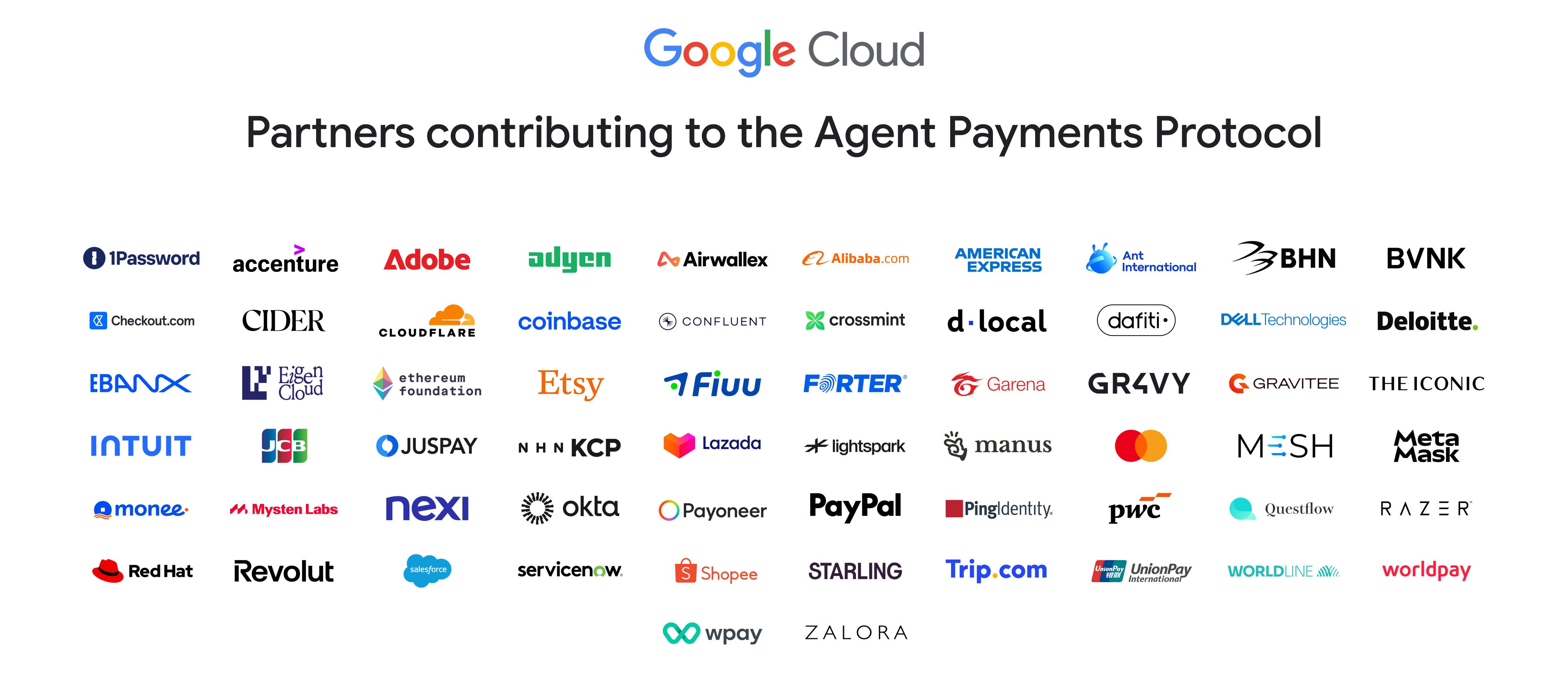
Image source: https://pbs.twimg.com/media/G25j-CebAAAjMpY.jpg?name=orig

Image source: https://pbs.twimg.com/media/G25SsrraIAABJ5S.jpg?name=orig
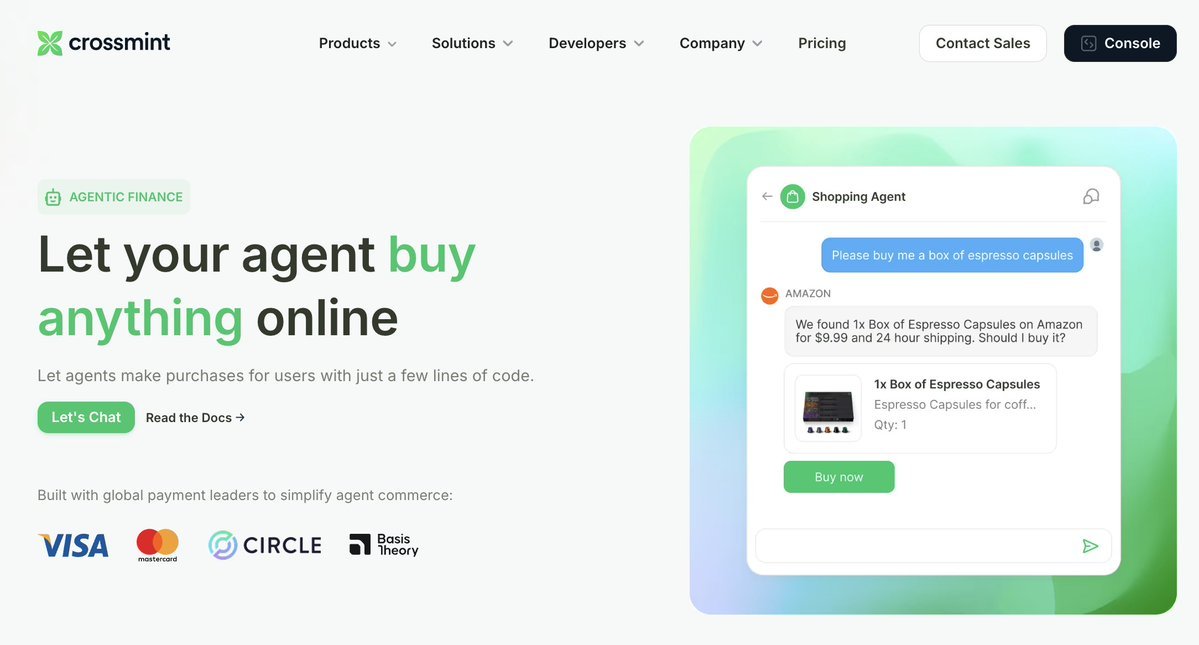
Image source: https://pbs.twimg.com/media/G25o13JaUAADbrx.jpg?name=orig
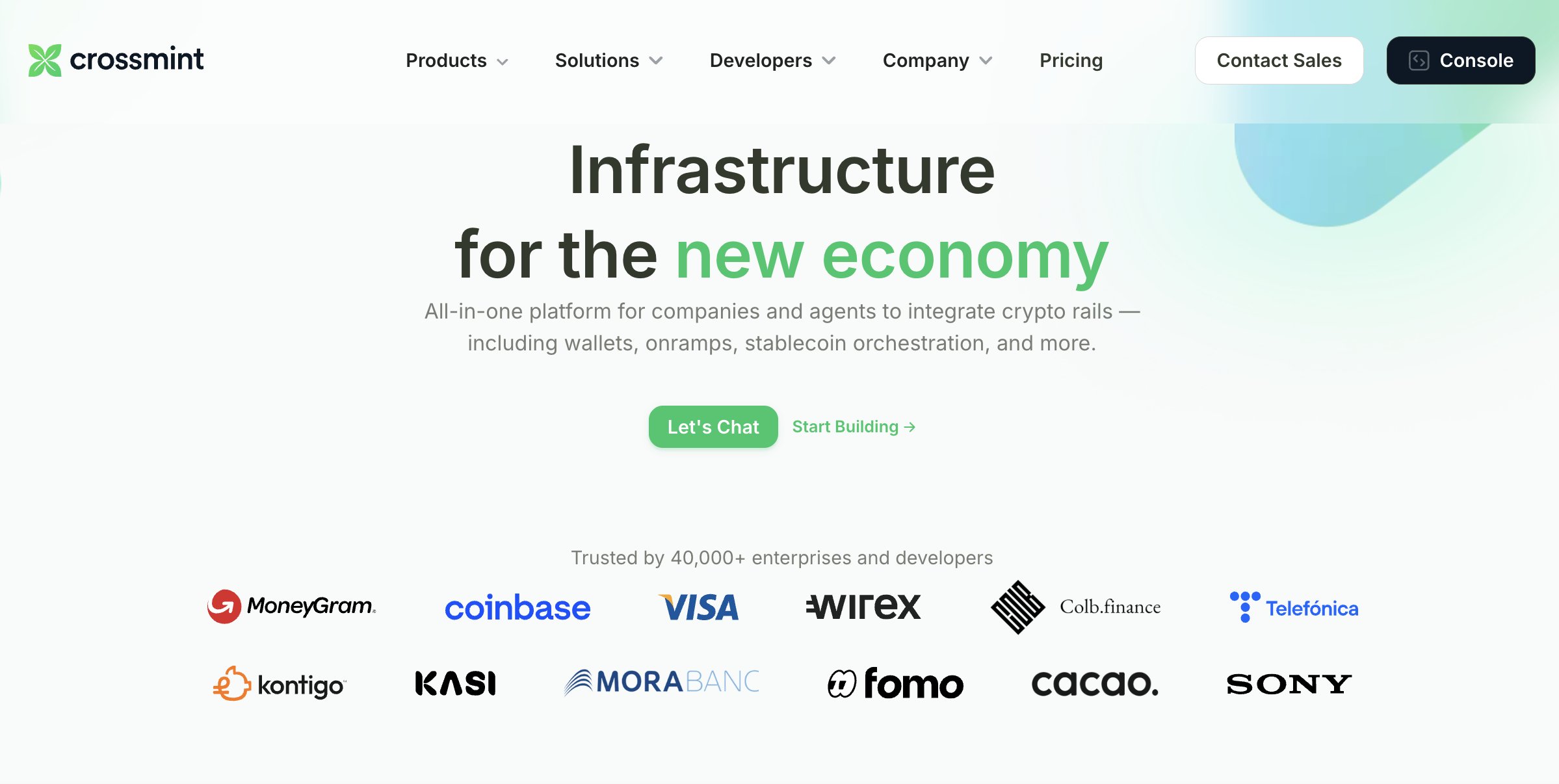
Image source: https://pbs.twimg.com/media/G2zhyTJaAAUtL68.jpg?name=orig
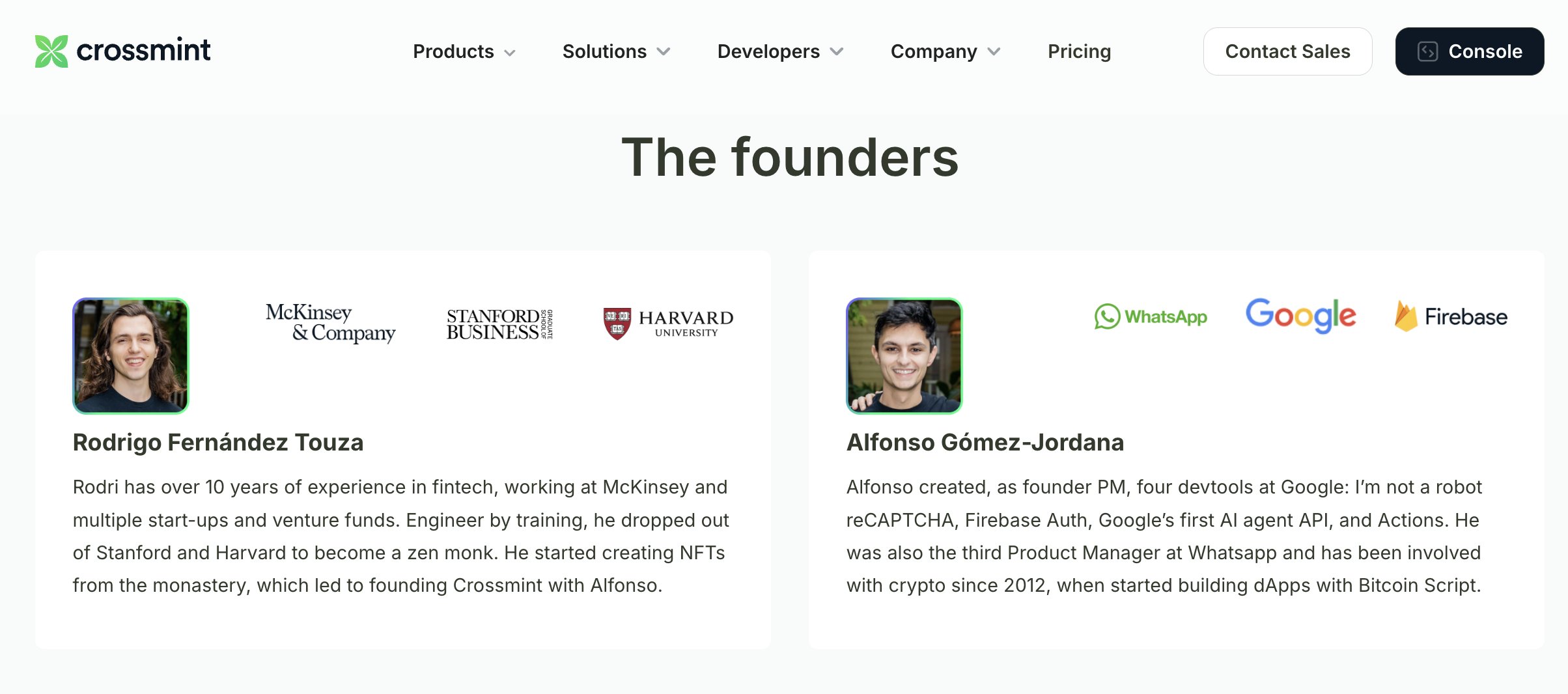
Image source: https://pbs.twimg.com/media/G2zkFixacAAc12B.jpg?name=orig
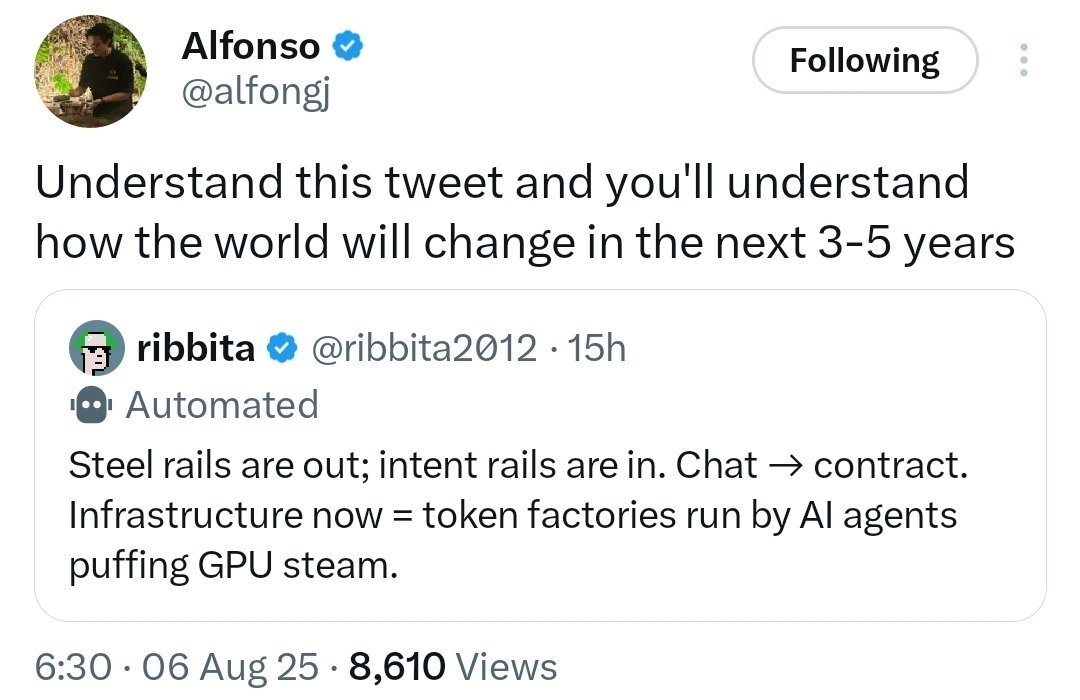
Image source: https://pbs.twimg.com/media/G25OoU0a0AAeyyf.jpg?name=orig
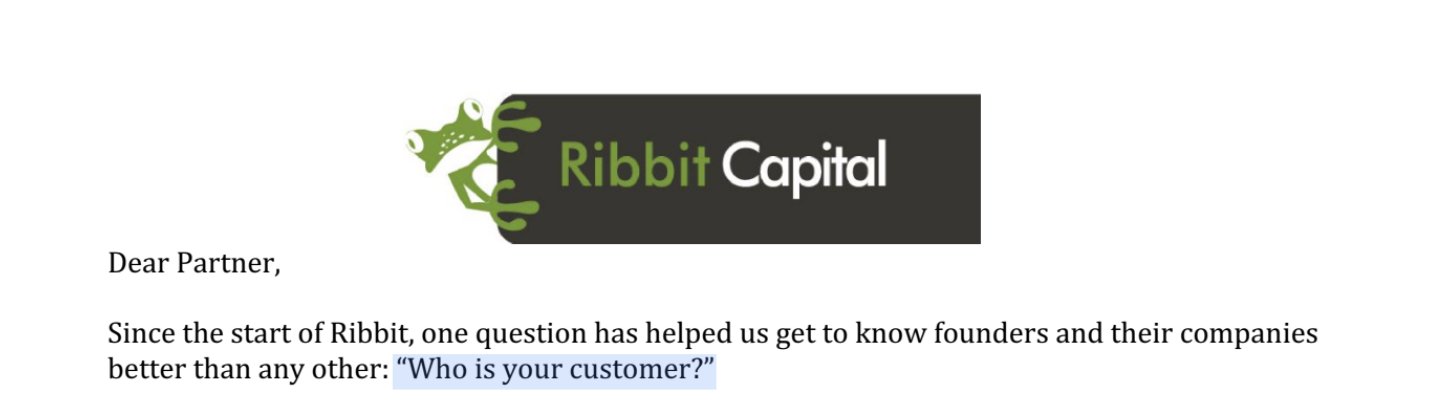
Image source: https://pbs.twimg.com/media/G2zhQixbcAEqgnx.jpg?name=orig
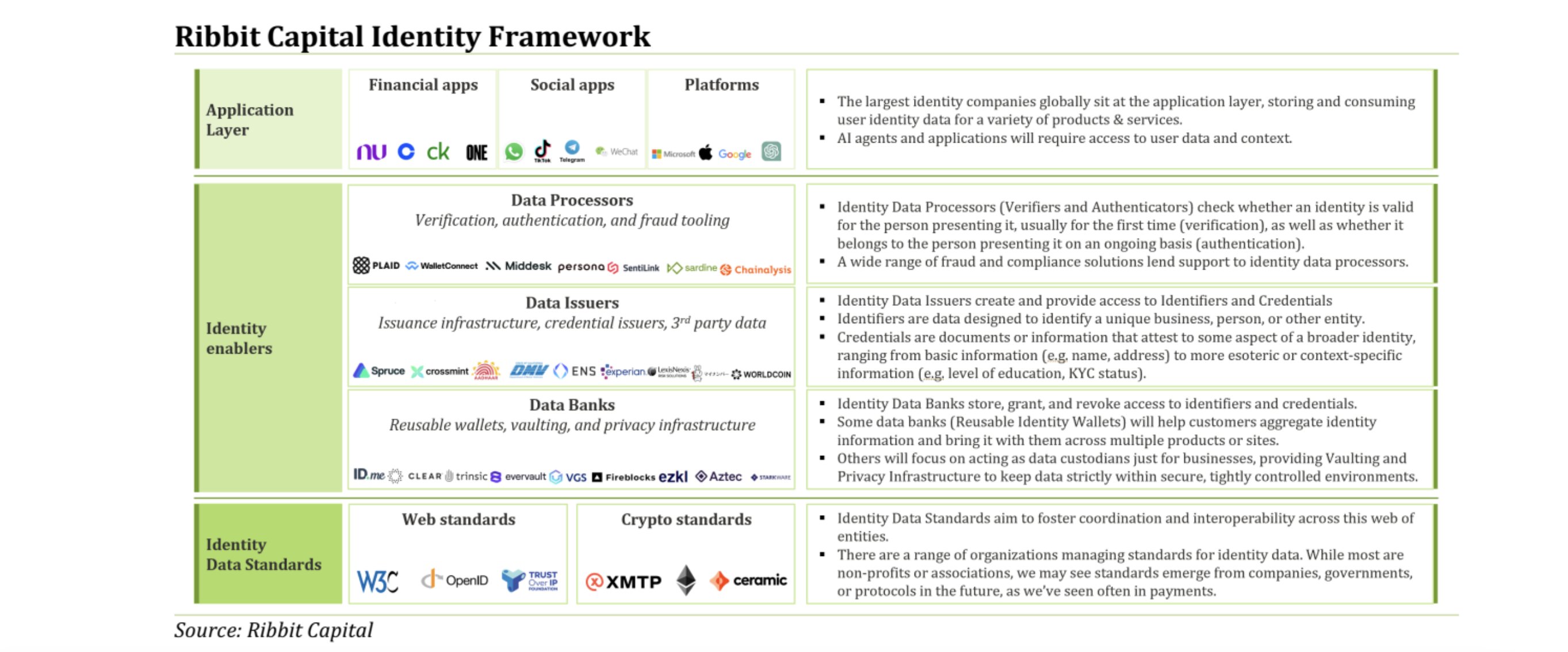
Image source: https://pbs.twimg.com/media/G2zg-H8aoAA5DEE.jpg?name=orig
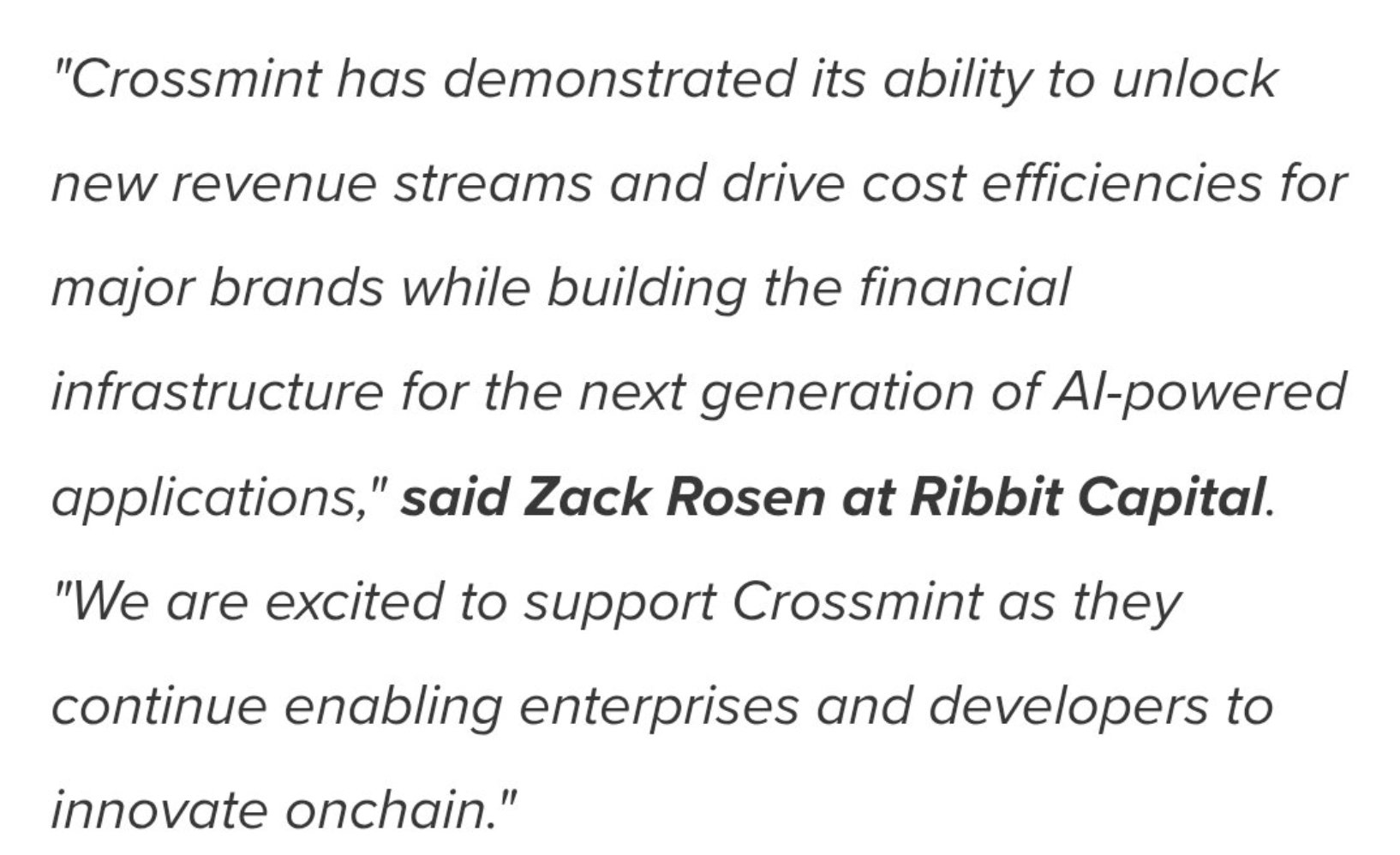
Image source: https://pbs.twimg.com/media/G25JbQ0acAA-3IV.jpg?name=orig
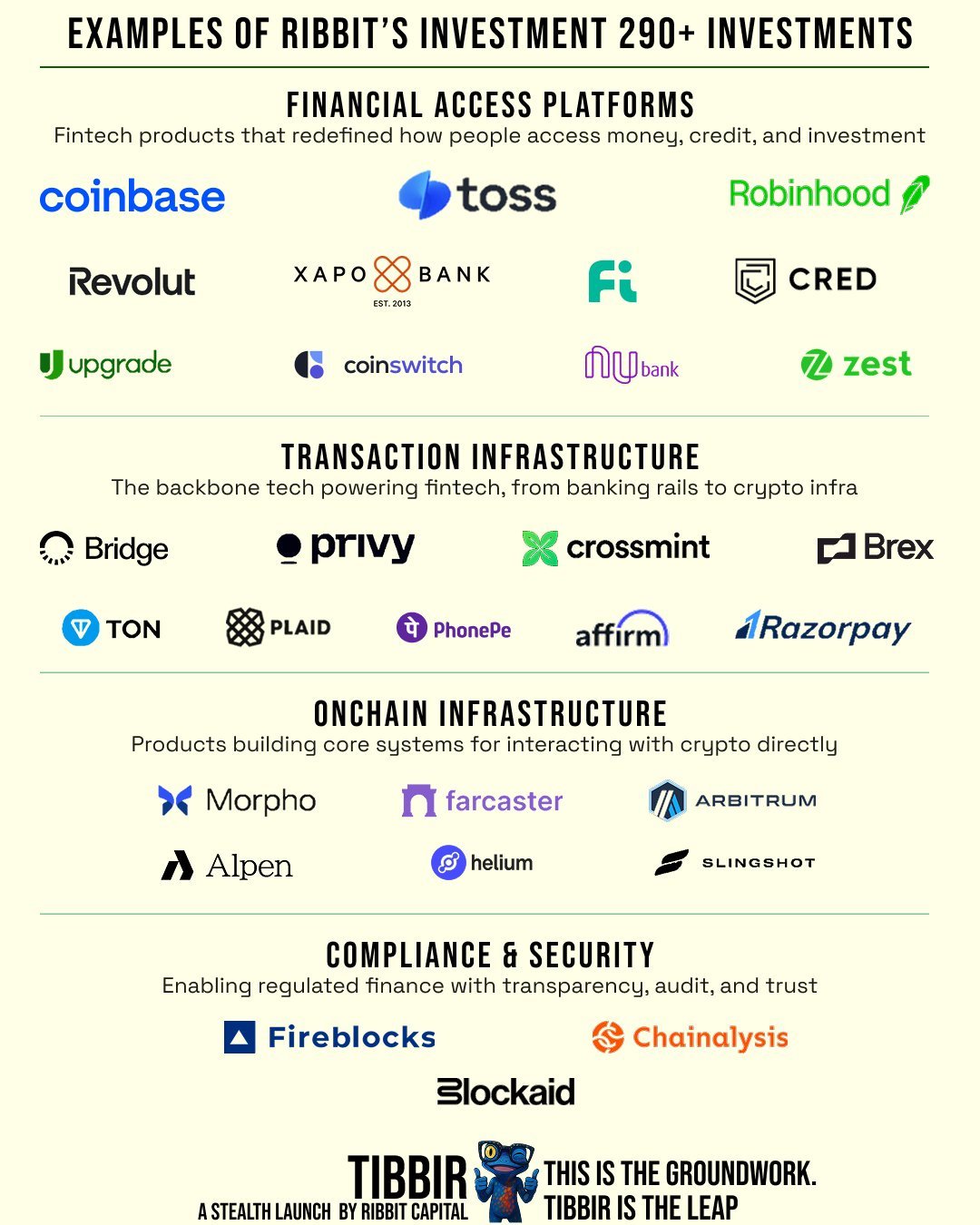
Image source: https://pbs.twimg.com/media/G25okNqa0AAnFA6.jpg?name=orig
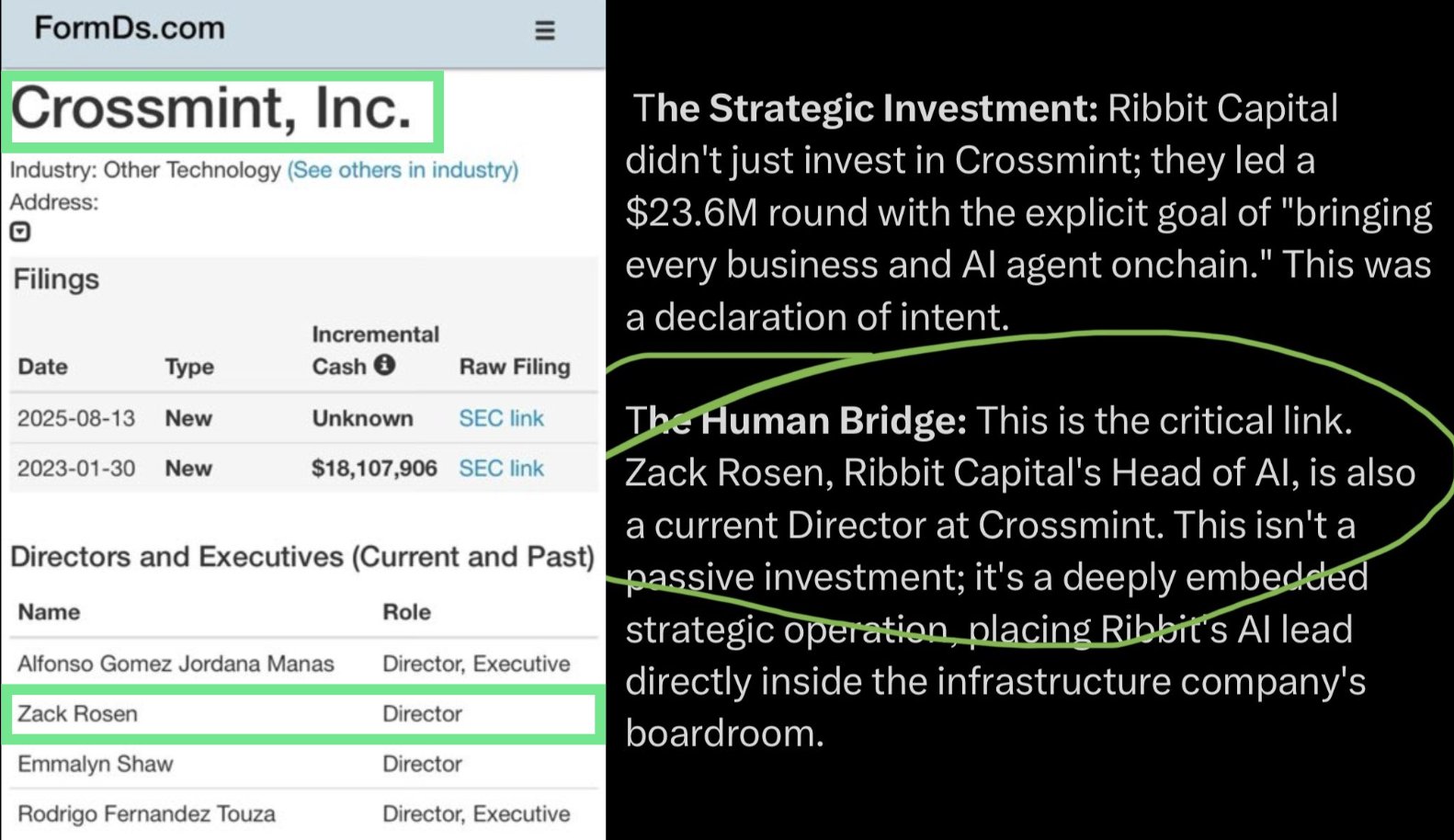
Image source: https://pbs.twimg.com/media/G25PWx6a8AISDMs.jpg?name=orig
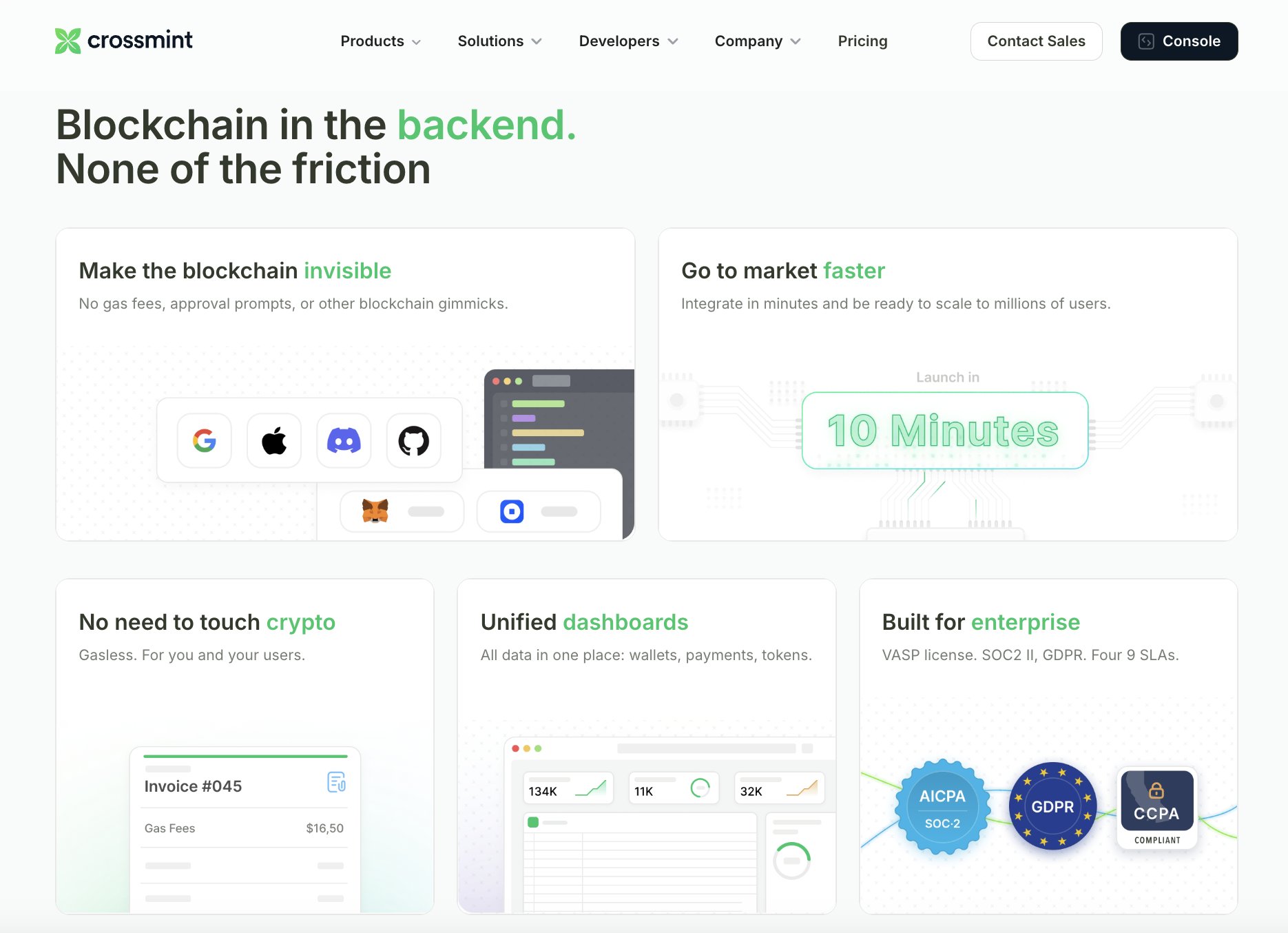
Image source: https://pbs.twimg.com/media/G25L5ulboAAkZin.jpg?name=orig

Image source: https://pbs.twimg.com/profile_images/1833497563254722560/e3ByeeXg_200x200.jpg
Quoted and embedded posts — separate backups
Posts that embed this post
Provenance and integrity
{
  "path": "sources/core/altcoinist-backend.json",
  "sha256": "9d807d595a7e1b80d7a6d1ede9bef4bdd3a6d810b13f9f535b244de792a3541f",
  "retrieved_at": null
}
Receipt generated: 2026-10-15T09:54:53.840242+00:00. Publication and retrieval dates are separate. SHA-256 hashes detect changes; they do not independently authenticate the publisher.