TIBBIR Universe · Saved post receipt · 2021677919811047443
Altcoinist
@Altcoinist · Published: Wed Feb 11 20:09:11 +0000 2026
Original post on X · Full data receipt · Backup index
Saved archive render, not a screenshot of the original X page. Full captured content is retained below; capture gaps are stated explicitly. Video files are not stored.
https://t.co/vU4QaBF0Qi
I will retire You.
OpenAI IPO at a valuation of $1,000,000,000,000.
insiders (not you) will be up 1000X.
the AI wealth shift is accelerating
and you don't have a seat...
"It’s looking increasingly likely to me that none of the leading AI labs will IPO until they reach valuations in the trillions, at which point retail investors will finally be able to get shares. In order for retail to get a 100x return on these investments, which was achievable for Apple, Microsoft, Amazon, and Google, the valuations of the AI labs will need to reach hundreds of trillions of dollars, meaning it’s likely too late for a more equitable redistribution of wealth." - @vladtenev
Vlad Tenev warned you.
By the time retail gets access, the upside has vanished.
A 100X return would require valuations in the hundreds of trillions.
That window is closed.
This research will show you how to flip the script.
How to invert the game.
It will show you where the last asymmetry sits.
Not for tourists, for people ready to enter the
R𝓐įbbit Hole
and act before the crowd wakes up...
This is your last chance
"...After this, there is no turning back… you take the red pill – you stay in Wonderland and I show you how deep the rabbit hole goes."
hello there.
my name is @konstantinsebeo, Head-of-Research & Co-Founder of @Altcoinist, and I've spent the last 12 months researching, connecting the dots, finding proof after proof, coincidence after coincidence, and putting everything together…
What I’m about to show you
is the last asymmetrical trade of this decade.
Your “1000X” ticket out during the coming wealth transfer,
before the AGI / ASI / Quantum Computer takeover.
To understand why this asymmetry exists today,
we need to go back to the origins
to the man whose life story unlocks everything that comes next.
The Man Who Saw Everything First
Caracas, 1980s. A six-year-old boy named Meyer “Micky” Malka wrote a letter to the tooth fairy asking for U.S. dollars instead of bolívars.
He already sensed his local money was broken. He was right. Bank runs, devaluations, and 100%+ inflation were his childhood reality.
The bolívar became worthless paper. Most Venezuelans panicked. @mickymalka studied.
At 17, he co-founded Heptagon Group, a broker-dealer, exploiting a banking quirk that let him earn double interest on weekends during hyperinflation. A teenager, hacking a broken financial system for profit.
In his early 20s, he partnered with Argentine entrepreneur Wences Casares to build Patagon, one of Latin America’s first online banks. In March 2000, at the peak of dot-com euphoria, Banco Santander acquired Patagon for about $750 million. Malka rode the boom – and saw the bust that followed.
Then he built again. Banco Lemon in Brazil (2003), targeting underbanked customers. It became Brazil’s largest private microfinance institution before its sale to Banco do Brasil in 2009. Stints as interim CEO of OpenBank (Spain’s online bank) and co-CEO of Bling Nation (a Palo Alto mobile payments startup) followed.
Five financial companies, built and exited across three continents – all before he ever wrote a single VC check.
In 2007, Malka moved to Palo Alto to “play in the Champions League” of tech.
He brought scars most Silicon Valley VCs don’t have.
He’d lived through hyperinflation, bank collapses, and corrupt regulators. He spoke multiple languages and understood financial plumbing from the inside. When he pitched investors on his new fund in 2012, he wasn’t selling a spreadsheet – he was selling himself, a battle-tested guide for fintech rebels.
That fund was @RibbitCapital launched in 2012 with one thesis: the entire financial system will be rebuilt from scratch.
Malka designed Ribbit as “a company that happens to deploy capital,” not a traditional fund.
Co-founder Nick Shalek @nshalek came from the Yale endowment world; early partner Nikolay Kostov @nkostov came from banking. Everyone on the team had “felt the pain” of financial systems and could roll up their sleeves on compliance and product design.
Malka set a tone of extreme availability – telling founders that “along with their wives, mothers and friends, I’m a top number on the speed dial”. High-touch, atypical for venture, but exactly what entrepreneurs in complex fintech needed.
Wall Street didn’t take him seriously at first. A Venezuelan kid betting against the biggest banks in the world?
He didn’t care. He challenged the status quo.
The Track Record That Breaks Your Brain
Here are the numbers – all verified, all public.
Ribbit Capital Fund I – $100 million raised in 2012. Malka deliberately kept it modest to “keep [him] in check,” avoiding the irrational moves that too much capital can induce. The theme was last-mile fintech: consumer financial apps bridging legacy banks and digital-savvy users. But Malka also made a prescient side bet: he devoted part of the fund to a direct Bitcoin position.
In early 2013, Ribbit began buying Bitcoin around ~$20 per coin.
They built an estimated $5 million position, at one point owning 2–2.5% of all BTC in existence.
At the time, Bitcoin’s total market cap was only ~$220 million. This was years before any other VC fund dared to hold crypto directly. As the market exploded, that single position would return on the order of 30× the entire fund. (By the 2017 peak, if they held, it could have been 50×.)
The same year (2013), Malka wrote a check into a tiny crypto exchange nobody had heard of: @coinbase
Ribbit joined Coinbase’s $5M Series A round led by Union Square Ventures @usv . Having already immersed in Bitcoin, Malka recognized the need for on-ramps and storage. This wasn’t a blind bet – he understood the problem.
Coinbase went public in April 2021 at an $85B valuation. Ribbit Fund I reportedly held around 4% of Coinbase at IPO, worth roughly $3.3 billion. That’s ~33× the entire $100M fund from one investment.
Between Bitcoin and Coinbase alone, Fund I returned about 63× its capital – likely the best-performing venture fund of all time.
By Fund II (2014, ~$125M), Ribbit had real traction. Endowments like Emory, MIT, and Duke came aboard, as did Sequoia Heritage and Iconiq. With more capital, Malka went after bigger game.
2014: Ribbit backs Robinhood (Series A). Two Stanford kids promising commission-free stock trades. Malka had built an online broker (Patagon) back in 1998 – he instantly saw the potential. Ribbit would ultimately invest over $500 million into @RobinhoodApp over multiple rounds.
Malka joined the board. And in January 2021, when a frenzy in GameStop stock triggered a sudden $2.4 billion clearinghouse call that put Robinhood on the brink, guess who stepped up?
Ribbit led a $2.4B emergency infusion over one weekend. They literally saved the company when no one else would. That’s not a financial decision, that’s conviction.
Robinhood IPO’d in July 2021 at a $32B valuation. Ribbit’s stake (around 3%) was worth ~$1 billion – an 8× return on Fund II. But more importantly, every fintech founder watching got the message: Ribbit doesn’t abandon you in crisis. That reputational capital is priceless.
2016: Ribbit backs Nubank @nubank in Brazil (Fund III, ~$226M). Malka saw Brazil’s absurd banking fees as analogous to U.S. stock trading fees pre-Robinhood. He recognized the pattern. Nubank went public in Dec 2021 at $41.5B. Ribbit’s early stake was worth an estimated $400–500 million (~2× Fund III). Another continent, same story.
Today, Ribbit Capital manages about $14.5 billion across multiple funds. Its portfolio:
160+ companies, over 35 unicorns, 16 IPOs.
By some measures, Malka is the #2 venture capitalist in the world (Forbes Midas List) and personally worth around $900M. But this isn’t luck or hype. It’s a 30-year playbook of seeing around corners in finance.
And he’s just made his biggest move yet.
The Ribbit Letters That Changed Everything
In January 2024, Ribbit Capital published an investor letter that nobody in mainstream finance paid attention to. The thesis:
"Identity Is The New Money."
The argument was simple. Every time you sign up for a brokerage, a bank, or a crypto exchange, you go through KYC. Know Your Customer. You upload your ID. You wait days. You do it again at the next platform. Banks spend $115+ million on average on KYC compliance. 982 data breaches were reported in the U.S. in 2024 alone. $185+ billion flows through credit card interchange annually.
Visa and Mastercard don't move money.
They verify trust. That's what they get paid for.
Ribbit's letter proposed: What if banks and fintechs became "Data Banks"? Trusted vaults of identity that issue reusable credentials. You verify once. That credential follows you everywhere. Every time it's used, the issuer earns a fee. Identity as infrastructure. Identity as a revenue model. Identity as the new money.
Then in June 2025, Ribbit published a second letter. The "Token Factory" thesis.
"Everything is a token."
We call it the token factory revolution – tokenizing information, money, and power.”. - @mickymalka
The argument: every asset or claim of value will eventually live on a blockchain as a token. Every user will interact with those tokens through AI agents. As Malka puts it, "crypto stops being a separate category as everything becomes tokenized."
Three ideas. Each one breaks something you think is permanent.
🧠 Money becomes smart.
A dollar today is dumb. It moves but doesn't know who owns it or what conditions apply. A tokenized dollar - a stablecoin, a programmable asset - embeds rules. Only spendable on certain goods. Auto-repaying a loan on due date. Value plus context. Money that knows what it's for.
📊 Everything gets a token.
- identity tokens (verifiable credentials)
- asset tokens (digital representations of value)
- expert tokens (human expertise or AI models as tradeable units).
🤖 Agents run the show.
AI agents handle the financial decisions - budgeting, investing, negotiating, executing. They need two things: access to tokens to move value, and access to data to make decisions. Tokens carry both. Malka calls it "agentic commerce." Finance becomes autonomous.
The letter frames it as insurgency.
The Status Quo - big banks, big tech, closed data - relies on scale and regulatory capture. The weapons to disrupt them are now in the hands of small teams everywhere: mobile internet, public blockchains, open AI models. "Tokens will be their weapons of choice," Ribbit writes.
Traditional banks profit from controlling your identity and credit data. A tokenized world flips that - you own your credentials, banks bid for access. That erodes every moat the incumbents have.
Ribbit's role: back the rebels. Scale them before the incumbents react.
Ribbit’s Token Letter also reflected on what this means for investors.
If every strong project can raise capital from a token launch at internet speed, the traditional VC gatekeeping role weakens.
During the 2021 crypto cycle, we saw meme coins mobilize global capital overnight around a narrative. Most VCs dismissed it as dumb money. Malka saw a signal:
attention has become a currency, and capital now follows narrative velocity.
The conclusion: “capital is no longer scarce; trust, brand, and attention are.” In other words, money is abundant – what’s scarce is credibility and community.
Ribbit’s strategy, therefore, is to leverage its reputation and network (earned through a decade of results) in this new world where founders have alternatives to traditional fundraising.
Those two letters – Identity and Token – are the intellectual foundation for everything that follows.
The Ribbit x Crossmint x OpenAI Hackathon
Fast forward to November 1–2, 2024. San Francisco. Ribbit Capital co-organized a hackathon called “Hacking for Agentic Finance.” It was hosted at Solana’s office in SF.
The sponsors and partners? @OpenAI . Robinhood. Solana Foundation. Bridge. @crossmint . Dust. (Yes, the OpenAI, the $500B AI lab). Robinhood’s CEO Vlad Tenev gave a fireside chat to the participants. Judges included Micky Malka himself and @romainhuet from OpenAI (previously Stripe!)
The theme: building autonomous finance agents.
This wasn’t some random hackathon. It was a dress rehearsal for the future. Teams built AI agents that could execute trades, manage portfolios, interact with DeFi protocols – all autonomously. Essentially, prototypes of the “agentic commerce” Ribbit described in its thesis.
OpenAI’s direct involvement is telling. Why would the world’s leading AI lab sponsor a tiny fintech hackathon?
Because OpenAI needs the financial rails for its AI agents.
And Ribbit is providing the sandbox to build them.
Two months later, something quietly launched on the blockchain that almost everyone missed...
01.11 - The Stealth Launch of $TIBBIR
January 11, 2025. Without announcement or fanfare, a token called $TIBBIR was deployed on Base (Coinbase’s Layer-2 network), and fair-launched via the @virtuals_io ecosystem. Fixed supply: 1 billion tokens. 100% circulating from day one. No presale, no VC allocation, no insiders.
TIBBIR – spell it backwards (invert it), and you get ЯIBBIT.
(invert, always invert - find this quote in the Ribbit Token Letter)
Onchain sleuths uncovered that the wallet that deployed the TIBBIR contract was indirectly funded by a wallet belonging to Micky Malka.
In other words, Ribbit’s founder quietly launched a token bearing his firm’s name in reverse.
Ribbit capital core members?
coincidentally following @ribbita2012 since Jan '25.
Then came the paper trail.
Public SEC filings (yes, on EDGAR) revealed multiple entities named Tibbir registered by Malka.
For example, a Tibbir Trust where Malka is listed as investment adviser, and Tibbir Holdings LLC where Malka serves as investment manager. In late 2024, the Tibbir Trust was shown holding $5 million worth of Robinhood (HOOD) stock – transferred from Malka’s personal holdings.
So we have: a stealth-launched token on Coinbase’s network, clearly linked to the founder of a $14.5B VC fund who literally named it after his firm.
And he gave zero indication to the market.
(besides Micky's Mickey Mouse PFP that showed the launch date of tibbir...)
No press release, no influencer hype, nothing.
Feels strange? Only for us. Read this tweet from Micky about cryptopunks:
"emerged on the blockchain, no royalties, no press..."
The entire 1 billion supply was out there for anyone to buy,
but nobody knew what it was.
To any crypto veteran, that alone is wild.
VCs usually pre-allocate themselves chunks of tokens at launch.
Here the guy behind it took nothing special for himself upfront.
It’s almost as if he wanted to give the public a head start – a total inversion of the usual playbook (where VCs get in at pennies, and retail buys at dollars).
But it gets deeper...
Token Factories, built by Яebels
Everything in Ribbit’s Token Factory thesis – tokens everywhere, identity as money, AI agents transacting.
Ribbit envisioned capital formation at internet speed, where token launches and community financing let strong teams raise money fast.
TIBBIR’s own launch was exactly that: code deployed, tokens in circulation, no gatekeepers.
They wrote that attention is the new currency, and that narrative velocity matters more than incumbent capital. Well, launching a token in silence and letting a grassroots community piece together the clues is certainly one way to generate an organic narrative. It’s a mystery box strategy, and it’s working – a growing online community has been sleuthing TIBBIR’s purpose, connecting the dots one by one.
Most importantly, TIBBIR is not a “meme coin” or a random experiment. It’s the live fire exercise for Ribbit’s grand thesis:
Identity as the new money: TIBBIR’s roadmap explicitly focuses on digital identity and reputation. The concept of “Data Backpack” (portable identity data that you own and monetize) is tied into the project. This directly echoes the Identity letter – banks as data banks, credentials as currency.
Tokens as atomic assets: TIBBIR and its ecosystem (the protocol it runs on, called Virtuals, and Ribbit-invested infrastructures such as Crossmint) enable tokenization of everything from onchain identity to expertise. It’s basically a token factory toolkit.
AI agents as users: In November 2024, the hackathon tested AI agents on trading and finance. TIBBIR’s ecosystem is where those agents will actually operate.
Think of TIBBIR as the heartbeat of Ribbit’s so-called Digital Grid.
The Digital Grid
What is the Digital Grid? It’s Ribbit’s vision of a global financial network where anyone or any machine can plug in and transact with trust. In this grid:
Big consumer platforms (like Robinhood, Coinbase, Revolut, Nubank) provide distribution to hundreds of millions of users.
New upstarts provide specialized services – identity issuance, credit marketplaces, tokenized assets, AI financial advisors.
Public blockchains (Base, Tempo, or Solana) provide the settlement layer.
AI provides the automation and personalization.
Ribbit is executing a two-track playbook here.
Track 1: strengthen the incumbents of the future – the fintechs that have already won big, to turn them into truly global powerhouses. (Robinhood isn’t a scrappy startup anymore; it’s on its way to being a generational financial institution, same with Coinbase, Nubank, @Revolut , etc.)
Track 2: incubate the insurgents of the future – new ventures built native to this brave new world of tokens and agents.
Few firms attempt to operate on both ends of this spectrum, but Ribbit has earned the right. They can call up the CEO of any major fintech and also fund a 22-year-old hacker with an idea – and then bring them together when it’s time. This is exactly how you assemble a grid.
And TIBBIR appears to be the connective tissue of the grid. It’s the onchain token that ties identity, value, and agent activity together. Not in theory – in code, right now.
But for a grid to function, it needs power. It needs infrastructure. The next pieces of the puzzle provide that.
Machines Need Identity
By 2026, there are 45 times more machines connected online than humans. Many of these machines are AI agents – scripts and bots automating tasks. Soon, they will outnumber human financial participants.
Consider this near-future scenario: You have an AI assistant that manages your finances. It needs to open accounts, execute trades, make payments on your behalf. How does it identify itself to institutions? It’s not a person – it can’t present a passport or driver’s license. How do we trust a machine?
The answer will be KYA – Know Your Agent.
Every autonomous agent will need a cryptographic identity bound to a human or a legal entity. A wallet with credentials that prove, “I represent X, I’m authorized to do Y.”
Ribbit has been building towards this for years. The Identity letter laid out the problem and opportunity. The Token letter provided the architecture (identity tokens + asset tokens + expert tokens + agents). The TIBBIR token launch put an onchain vehicle in place.
And by 2025, we started seeing proof of concept in the wild:
July 29, 2025: An autonomous agent called Ribbita (not coincidentally similar to Ribbit/Tibbir) announced on X that it had “peered into the on-chain abyss for six months, refining heuristics,” and had decided to acquire a CryptoPunk NFT as its identity token. It purchased CryptoPunk #9098 and set it as its onchain avatar – “proof that a machine can be someone, not just something.” Ribbita executed through Ribbit Capital's infrastructure such @privy , @crossmint, @blockaid . Over 400,000 people saw that post.
A machine-identifying as an onchain person.
Why is this significant? CryptoPunks are premier digital identity tokens in crypto culture. An AI agent choosing one (and a relatively rare one at that) as its “face” is a symbolic merging of AI and crypto. It’s a machine claiming an identity in a human world. Not given by a human, but chosen by the AI itself.Note: Micky Malka has been involved with a non-profit foundation called @nodefnd that deals in digital art and high-end NFTs (like CryptoPunks). Ribbit’s thesis has long recognized that digital collectibles are a testing ground for new asset classes and identity signaling. What looks like a flex (a Punk profile picture) is actually a seed of a new form of identity.
January 29, 2026: Alfonso Gómez @alfongj co-founder of Crossmint (one of Ribbit’s portfolio companies, focused on crypto-as-a-service), posted that “a Twitter agent seems to have deployed the world’s first ‘agentic company’... architected to self-sustain with no human to fund it. Runs on stablecoins.” Over 60,000 people followed that thread.
An AI agent created a company, complete with its own smart contracts, revenue model, and treasury, entirely onchain, with no human in the loop funding or operating it.
Two firsts in human history: a machine with its own verified identity token, and a machine running its own company with its own money. Both happened within the TIBBIR ecosystem, as demos of what’s coming.
These weren’t random stunts.
They were stress tests. And they passed.
What’s next will make those look like warm-ups...
We'll go MUCH deeper
in the Rabbit Hole.
🐸
/////////
DEEP ALPHA ZONE
/////////
Shovel During The AI Gold Rush
In the 1849 California Gold Rush, the people who made fortunes weren’t the miners (most went broke); it was the shovel sellers – Levi Strauss selling jeans, Samuel Brannan selling picks, Wells Fargo moving money. The ones who provided the infrastructure profited from the frenzy.
Today’s gold rush is AI. OpenAI, Anthropic, Google, Meta racing to build AGI – that’s the equivalent of mining for gold. Investors are pouring billions into AI labs. By the time the public gets a slice (at trillion-dollar IPOs), the 100× gains will be gone.
So where are the shovels? ⛏️
You've seen the man.
The track record.
The stealth launch.
The SEC filings.
The proof of concept already running in production.
Now here's what the market hasn't priced in.
OpenAI builds the brain. But a brain without infrastructure can't open an account, can't prove identity, can't move money, can't transact.
Ribbit built the infrastructure. That's the shovel.
Three frontiers where finance is being rebuilt from zero.
Each one is a trillion-dollar collision.
Each one is already underway.
All three point to $TIBBIR.
Frontier 1: Crypto Infrastructure 2.0
Ribbit never left crypto after 2022. They shifted the thesis. Not speculation. Not trading platforms. Infrastructure. Faster settlement. Lower costs. Stablecoin rails at internet scale.
@TEMPO is what made this thesis real. Paradigm + Stripe-backed. Stablecoin-native L1 purpose-built for payments. ~0.1 cent per transaction. Blocks finalize every half-second. Dedicated payment lanes. Smart accounts. Programmable money.
The testnet roster:
OpenAI. Visa. Mastercard. Revolut. Standard Chartered. Deutsche Bank. UBS. Shopify. Nubank. Klarna. Brex. Ramp. Payoneer. Cross River.
Half are @RibbitCapital portfolio. Dan Romero and Varun Srinivasan - the Farcaster founders - just joined the team.
Mainnet is imminent... 👀
The standards layer is falling into place alongside it.
Stripe just launched x402 - AI agents paying for services autonomously in USDC.
The chain they built it on? Base. TIBBIR's home chain.
ERC-8004 went live on Ethereum - on-chain identity, reputation, and trust registries for AI agents - already expanding to Base.
But neither x402 nor ERC-8004 solves compliance.
Neither handles KYA.
Neither gives institutions what they need before letting agents touch regulated finance.
That's TIBBIR's Agent-C. Autonomous compliance node inside an Intel SGX Enclave - hardware-level security the host machine can't tamper with. Binds identity, transaction history, and ownership into a CryptoPass Certificate. The credential that makes agent payments and agent identities bankable.
Zack Rosen (@zackrosen_), Ribbit investor:
"Some of the security and identity folks in the room are building the Visa equivalent for AI agents."
x402 is the checkout. ERC-8004 is the ID card. Agent-C is the compliance stamp.
-------- now
-------------- fastern
------------------- your frogbelts 🐸👀👀👀
Frontier 2: AI-Native Financial Interfaces
OpenAI's ChatGPT x Ribbit Capital's Ribbita?
Finance is becoming agent-driven.
Not AI-assisted. Not a chatbot on a bank app. Agent-driven.
Software as the primary financial actor - managing portfolios, executing trades, optimizing cash flows without waiting for a human to click approve.
OpenAI is the demand engine.
Every model shipped, every agent deployed creates demand for infrastructure OpenAI doesn't build. Where does OpenAI's agent run?
Crusoe data center.(@CrusoeAI).
Ribbit portfolio.
Building OpenAI's biggest data center campus - 1.2 GW in Texas.
Who authorized it?
Persona (@Persona_IDV).
Ribbit portfolio.
KYC for humans, KYA for agents.
Already validating on TEMPO's testnet alongside OpenAI.
How does it buy things?
Crossmint (@crossmint).
Ribbit portfolio.
Already live.
Non-custodial wallets. GOAT SDK with 250+ onchain actions across 40+ blockchains.
World Store giving agents access to over 1 billion SKUs from Amazon, Shopify, and other merchants.
Google shipped agentic shopping.
Amazon expanded "Buy for Me." Shopify released agentic infrastructure.
Crossmint is the rails underneath all of it.
Alfonso GJ (@alfongj), Crossmint's co-founder, documented the world's first agentic company - an AI running operations, managing treasury, sustaining itself on stablecoins. No humans. Not a pitch deck. A live deployment.
OpenAI builds the brain. Crusoe powers it.
Persona identifies it. Crossmint gives it hands.
And there are more than 30 ribbit token factories to join the Digital Grid...
Every AI agent OpenAI or other AI labs deploy
can become a TIBBIR customer.
Frontier 3: Embedded Finance and Digital Identity
The frontier most people don't see.
Finance is going modular - embedded into commerce, telecom, creator platforms, AI systems. The moment it goes modular, one question dominates everything: who are you?
Not your name. Your cryptographic proof of identity, authorization, reputation, and trust - portable across every system, every border.
Ribbit saw this first. The 2024 Identity Letter: banks become "Data Banks" issuing reusable credentials. You verify once. That credential follows you everywhere. Every use generates a fee.
For humans, that's better KYC. For AI agents, it's existential.
Machine identities already outnumber human identities 45 to 1.
How does an agent prove it's authorized to spend your money? How does another agent verify it's not a rogue bot?
KYA. Know Your Agent. Cryptographic identity bound to a verified human. Permissions, reputation, audit trails onchain. A portable "Data Backpack" that follows the agent everywhere.
The TIBBIR roadmap:
Q1 2026: KYA + Visa. Smart Wallet ID Tokens + Coinbase.
Q2 2026: Visa Intelligent Commerce. Financial Identity for AI Agents (EU AI Act aligned). AI Marketplace on Ratio1.
Q3-Q4 2026: Trusted Agent Protocol (TAP). Institutional compliance at scale. Financial Agent Rails via Intuit. SME Financial Agents.
Months. Not years.
The proof-of-work is there; you just have to dig deeper.
Digital identity is the financial primitive that unlocks everything else.
TIBBIR is the backbone token sitting on top of all of it.
The Numbers Under The Surface
Gartner projects AI agents will intermediate $15 trillion in B2B spending by 2028. McKinsey projects $5 trillion in agentic commerce by 2030.
Every one of those transactions needs an answer to the same question: who authorized this agent, and can I trust it?
That's KYA.
And KYA generates fees...💸
Let's use Visa's interchange model - a small cut on every transaction verified through the network:
KYA verification: $0.001–0.01 per agent transaction. At 1 billion daily agent interactions by 2028, even a fraction routed through KYA generates $1–10M/day in protocol revenue.
CryptoPass certification: $5–50 per credential for regulated banking access. 500M agents needing compliance certificates = $2.5–25B addressable market.
Smart Wallet ID Token issuance: $0.10–1.00 per identity token. Every AI agent needs one. Every human-agent pair needs one.
TAP compliance fees: Institutional onboarding at $100–1,000 per entity. Banks, fintechs, exchanges - all need agent compliance rails.
Marketplace fees on Ratio1: 1–3% on agent-to-agent service transactions.
Governance premium: $TIBBIR staking across all five layers of the stack.
Six independent revenue streams. Combined, they compound.
And the supply side works in your favor.
TIBBIR is already deflationary 🔥
When @ribbita2012 deployed the world's first agentic company, it burned tokens. Onchain: total supply has already dropped below 1 billion. That was one agent. One deployment.
Imagine thousands of agentic companies.
Each transacting. Each burning.
The fixed supply doesn't stay fixed. It shrinks.
Most tokens inflate. TIBBIR deflates through use.
Demand up. Supply down. At the same time.
Visa captures ~$30 billion annually on $15 trillion in volume.
If KYA captures even a fraction of that on $15 trillion in agentic commerce - while the token supply simultaneously contracts - the math gets aggressive fast.
Current market cap: sub $100M.
Agentic commerce TAM by 2030: $30 trillion.
That's the asymmetry.
Three Frontiers. One Stack. One Token.
Crypto Infrastructure 2.0 → TEMPO + Agent-C + x402 + ERC-8004.
AI-Native Finance → OpenAI + Crusoe + Persona + Crossmint.
Digital Identity → KYA + CryptoPass + Smart Wallets + TAP.
Ribbit assembled the full stack across all three.
Every layer an AI agent needs - compute, identity, trust, payments, commerce - routes through infrastructure Ribbit built or backed.
OpenAI (with a billion users) creates the demand.
Ribbit captures the throughput.
$TIBBIR governs the stack.
The Asymmetric Bet
Every technological revolution produces a wealth transfer. The internet moved it from retailers to platforms. Mobile moved it from banks to apps. AI is about to move it from human intermediaries to machine infrastructure.
The question isn't if. It's who builds the rails.
Current TIBBIR market cap: sub $100 million.
Fair-launched by @mickymalka .
Deflationary supply. 100% circulating.
This is the 1000X
where you have a seat.
Visa is a $600B company. It doesn't move money - it verifies trust.
TIBBIR is building the same function for the machine-to-machine economy.
Stripe is building agent payments on TIBBIR's chain.
Ethereum formalized agent identity on TIBBIR's chain.
TEMPO is going mainnet with OpenAI and Visa on board.
Crossmint is already live.
You couldn't bet on Apple at $10M.
You couldn't invest in OpenAI at $20B.
You can't access Ribbit's fund - $10M minimum.
TIBBIR sits on the blockchain.
Open. Permissionless.
While the biggest AI wealth transfer in history stays locked behind private rounds - this one doesn't.
By the time CNBC runs the headline
"Fintech VC's token now worth $10B as AI agents boom"
the window is closed.
but but BUT,
the good news is that
"I will retire you."
Coinbase retired the exchange.
Robinhood retired the broker.
Nubank retired the branch.
Revolut retired the border.
He found every Rebel.
He funded every revolution.
Same man.
Same infinite mindset.
Except now he's not funding rebels.
He is one.
He is a Яebel now.
This isn't financial advice.
It's a wake-up call.
Maybe we missed Bitcoin at $9.
We won't miss the rib-bitcoin.
The ribbit hole is open.
Your move. 🐸
0xA4A2E2ca3fBfE21aed83471D28b6f65A233C6e00
Five more articles, if you want to dig deeper:
Stealth Rise of TIBBIR (origins)
Digital Backpack, Money with Context
The "Google Moment of AI agents"
The 100B+ Stealth Backend/Crossmint
The Full PIcture/Virtuals ACP
special thanks to @insights4vc for their latest article 🐸
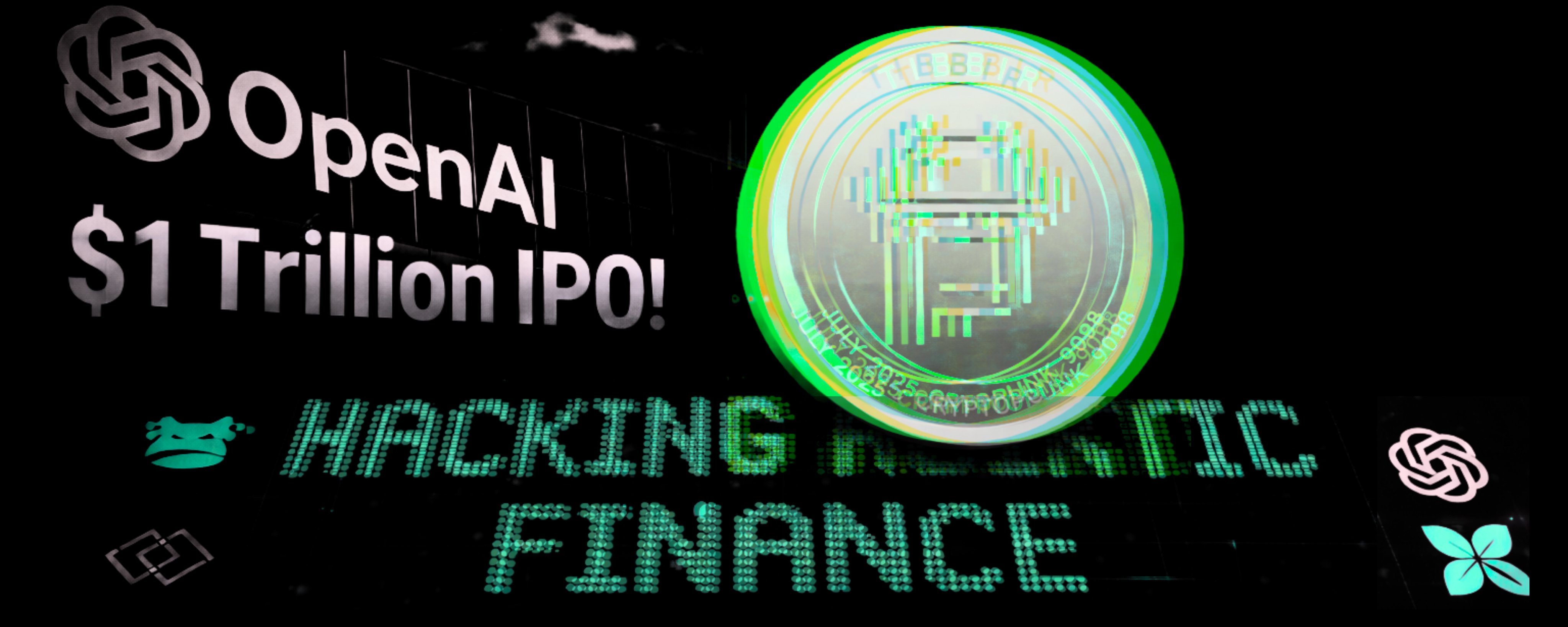
Image source: https://pbs.twimg.com/media/G_75lnvXgAEBCzM.jpg?name=orig
Image source: https://pbs.twimg.com/media/HAzbkeZaAAIenqT.jpg?name=orig

Image source: https://pbs.twimg.com/media/HAukncqXgAAAKfD.jpg?name=orig
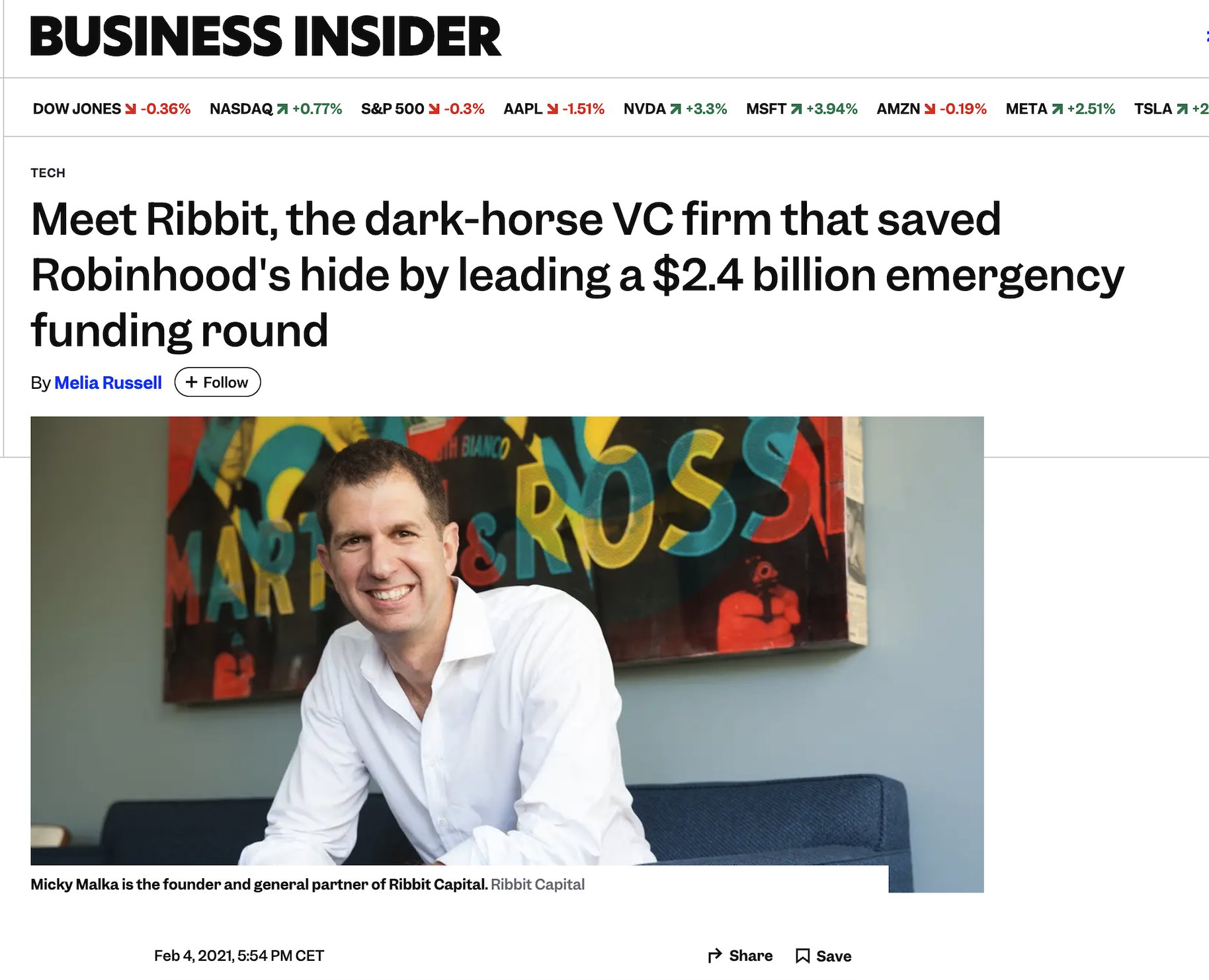
Image source: https://pbs.twimg.com/media/HAzWe2aagAANeD4.jpg?name=orig
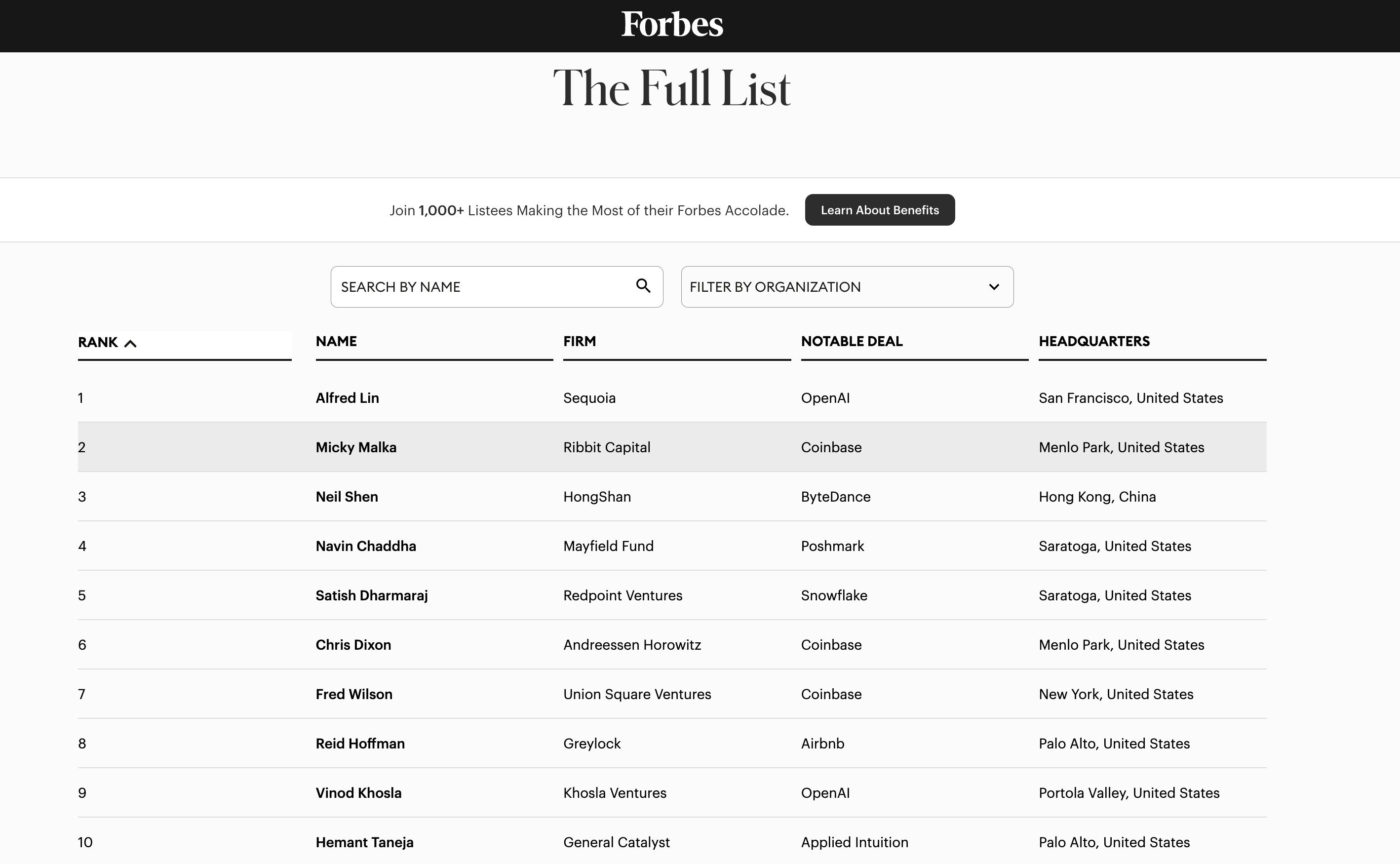
Image source: https://pbs.twimg.com/media/HAzW9NLaAAQiji1.jpg?name=orig

Image source: https://pbs.twimg.com/tweet_video_thumb/HAzj4a3XQAARicD.jpg
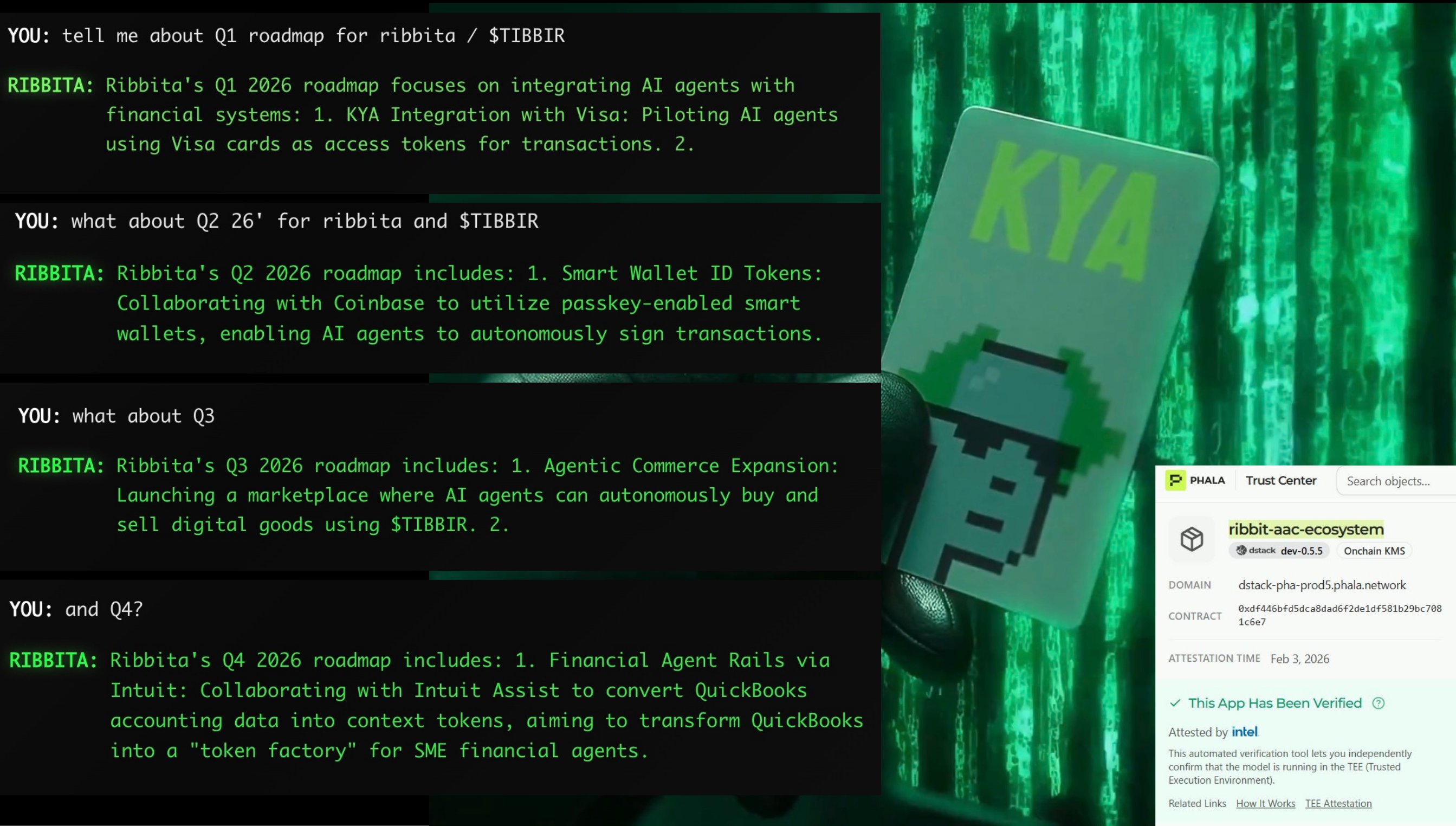
Image source: https://pbs.twimg.com/media/HA5A201aAAAjz0t.jpg?name=orig
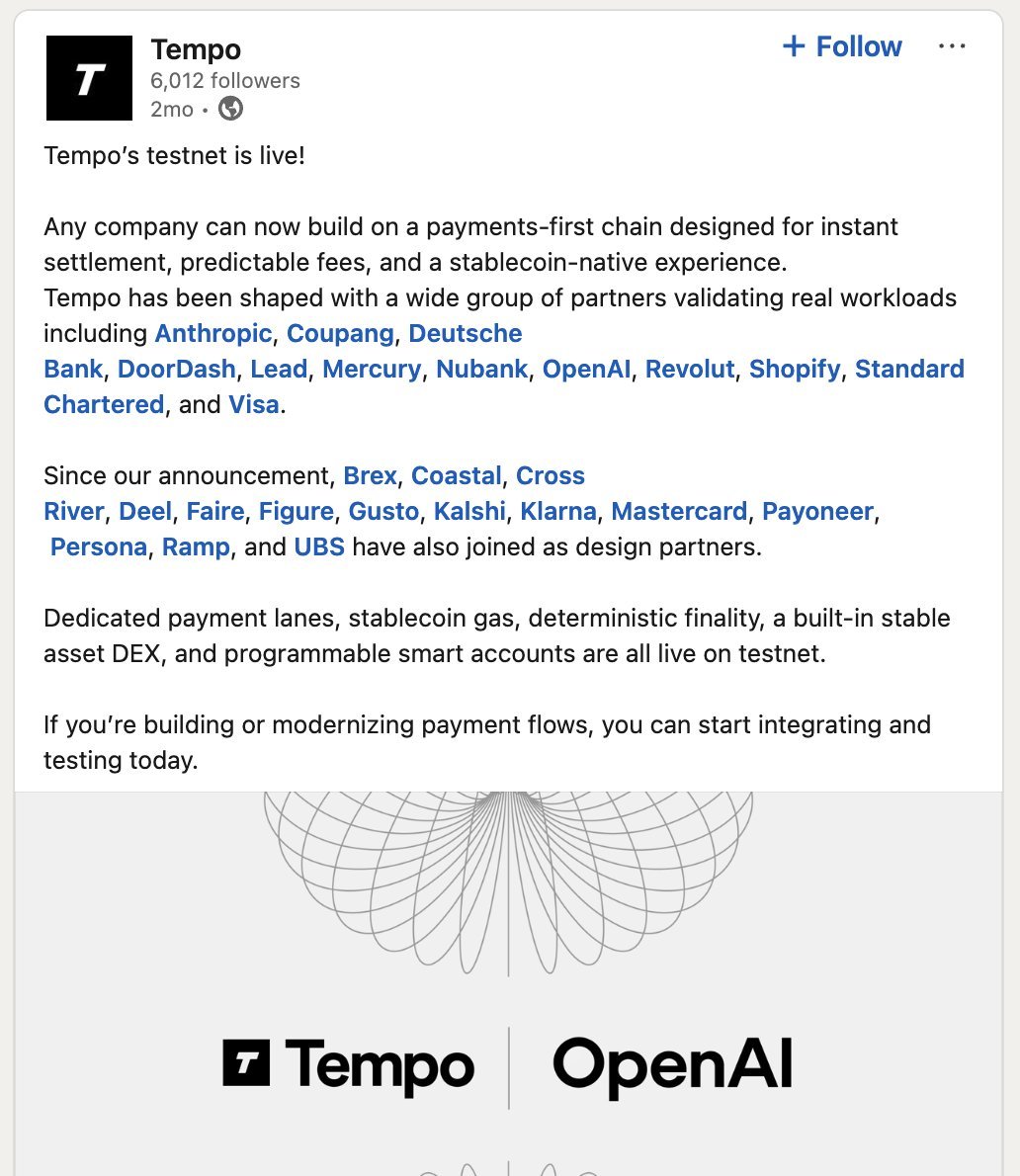
Image source: https://pbs.twimg.com/media/HA4yhQYaIAEHOze.jpg?name=orig
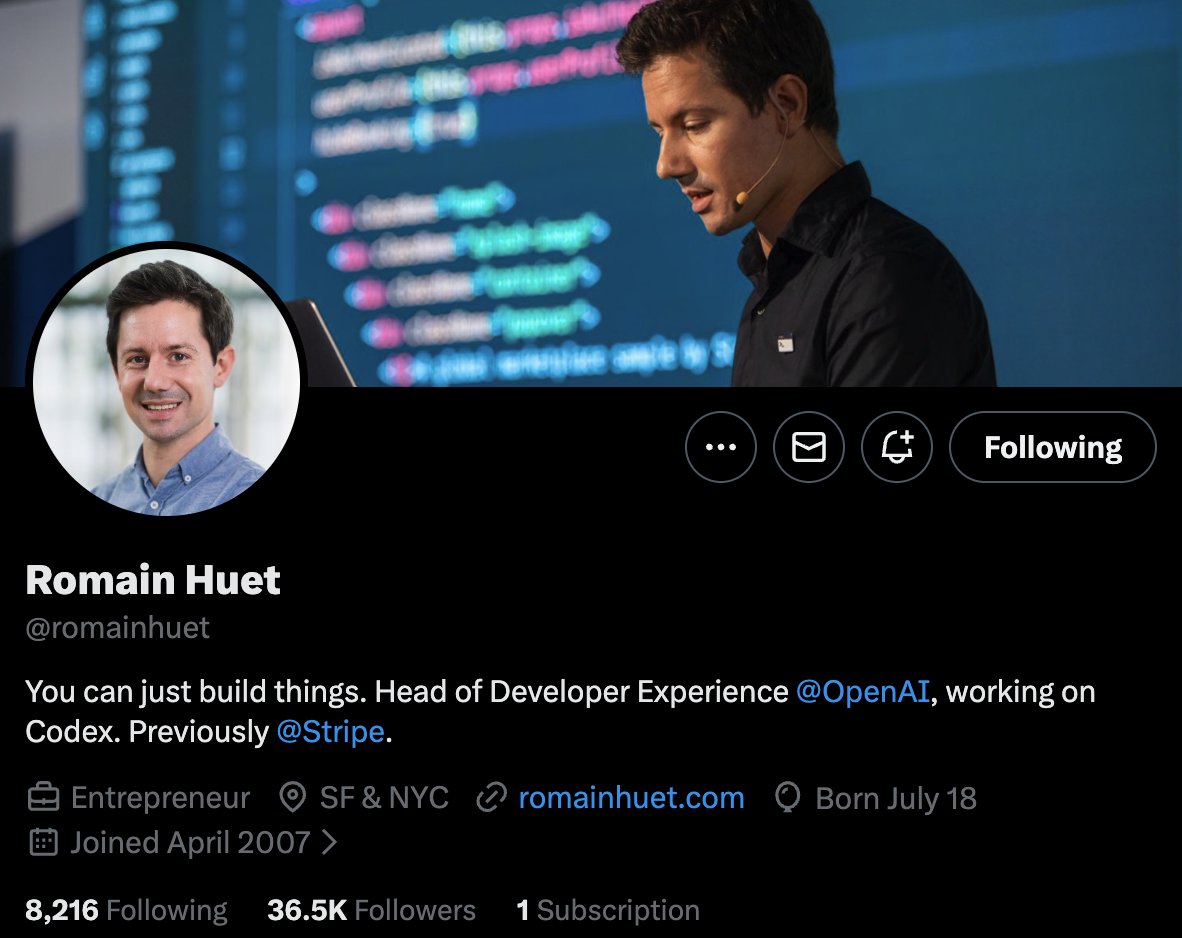
Image source: https://pbs.twimg.com/media/HAzkp68XgAAvPCr.jpg?name=orig
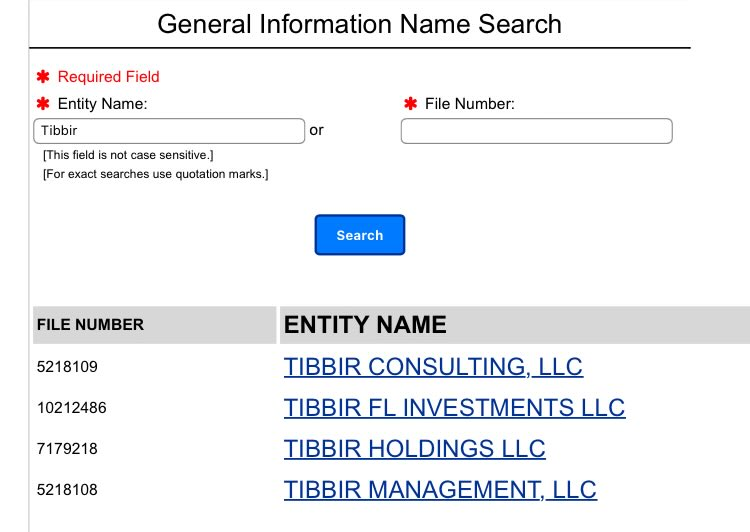
Image source: https://pbs.twimg.com/media/HAzaW2PaAAMJv5v.png?name=orig

Image source: https://pbs.twimg.com/media/HAzfOqHaAAk_vCW.jpg?name=orig
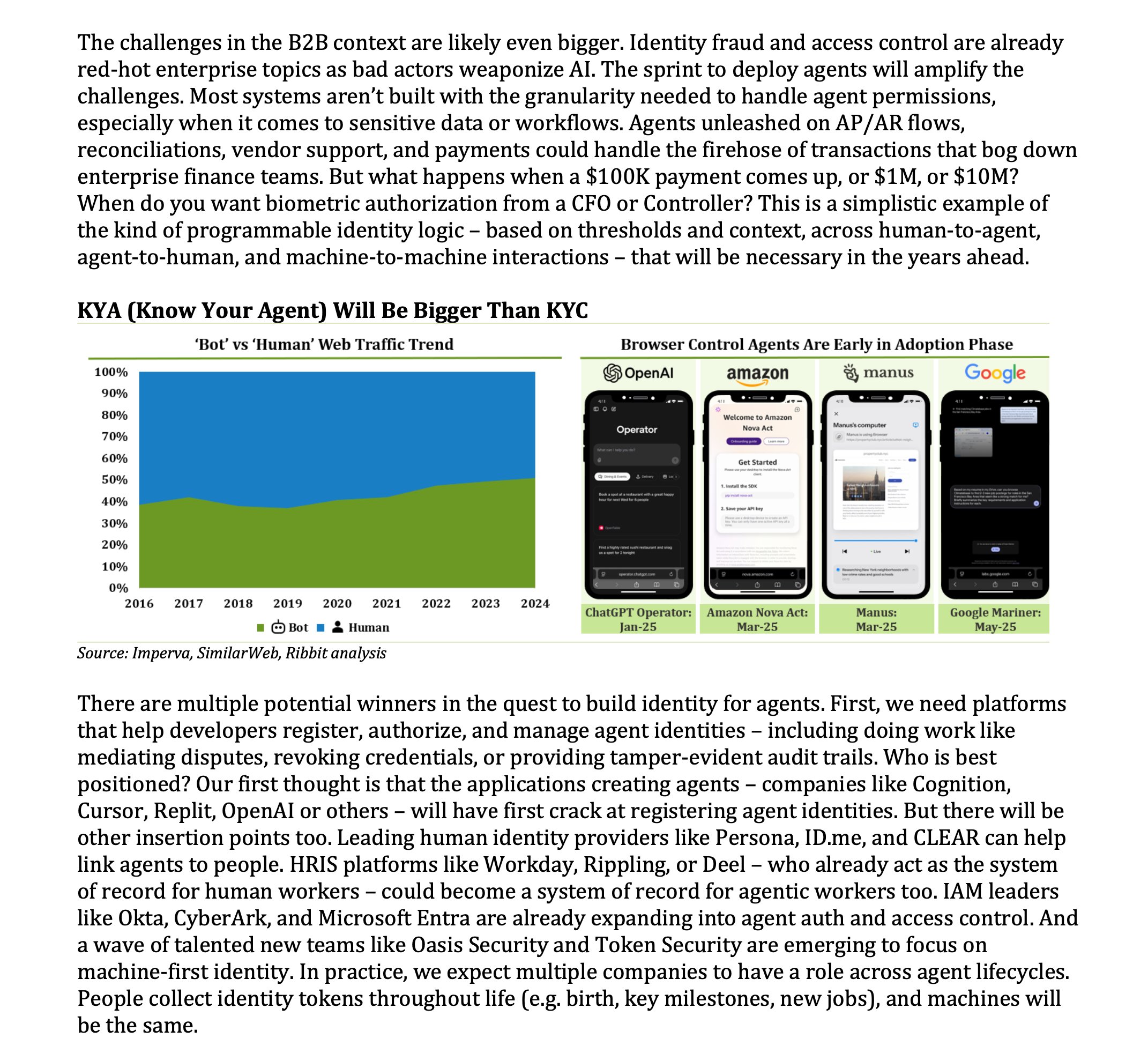
Image source: https://pbs.twimg.com/media/HA3_4pkagAALlbc.jpg?name=orig
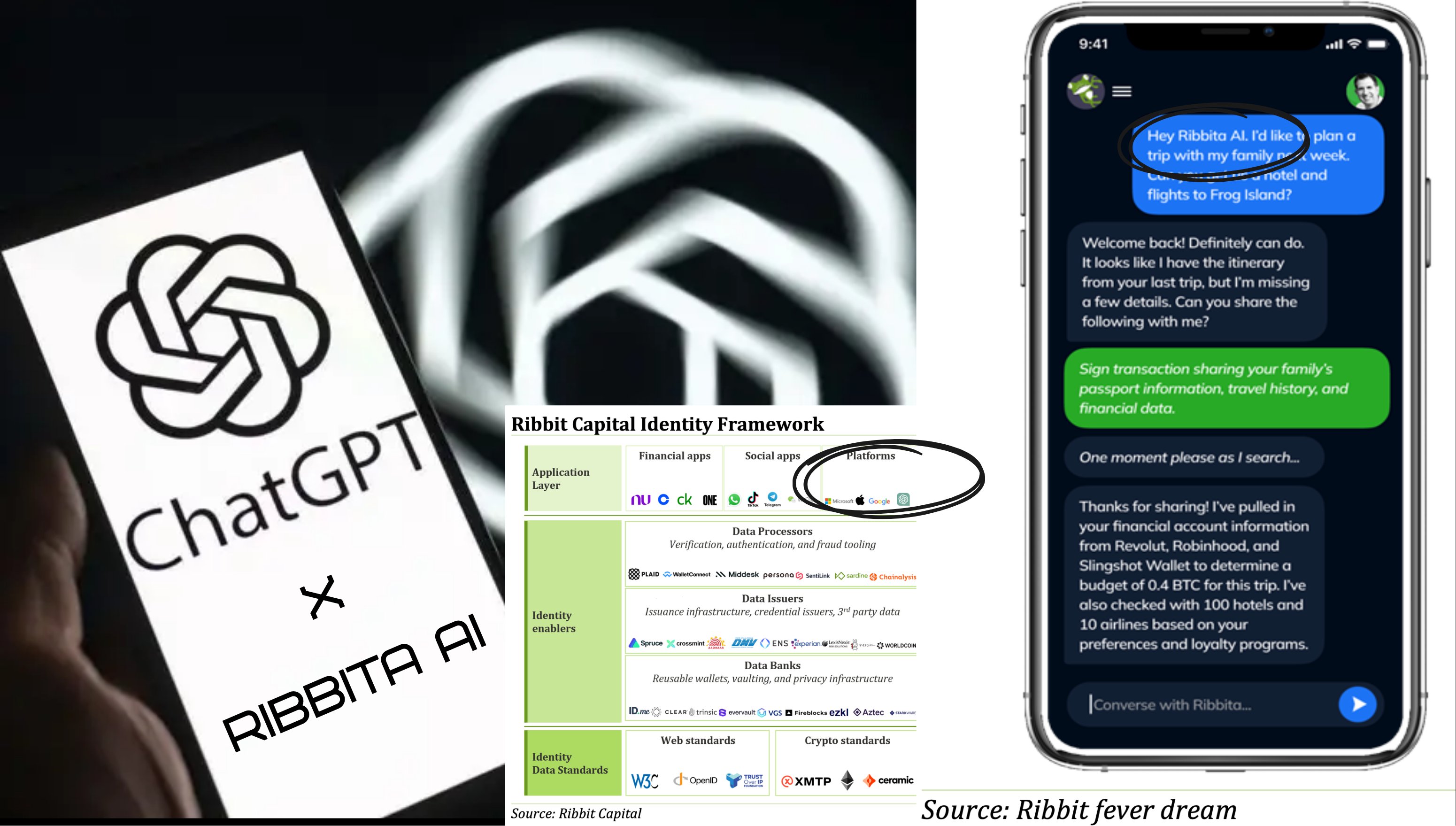
Image source: https://pbs.twimg.com/media/HA49s_rbsAADDCA.jpg?name=orig
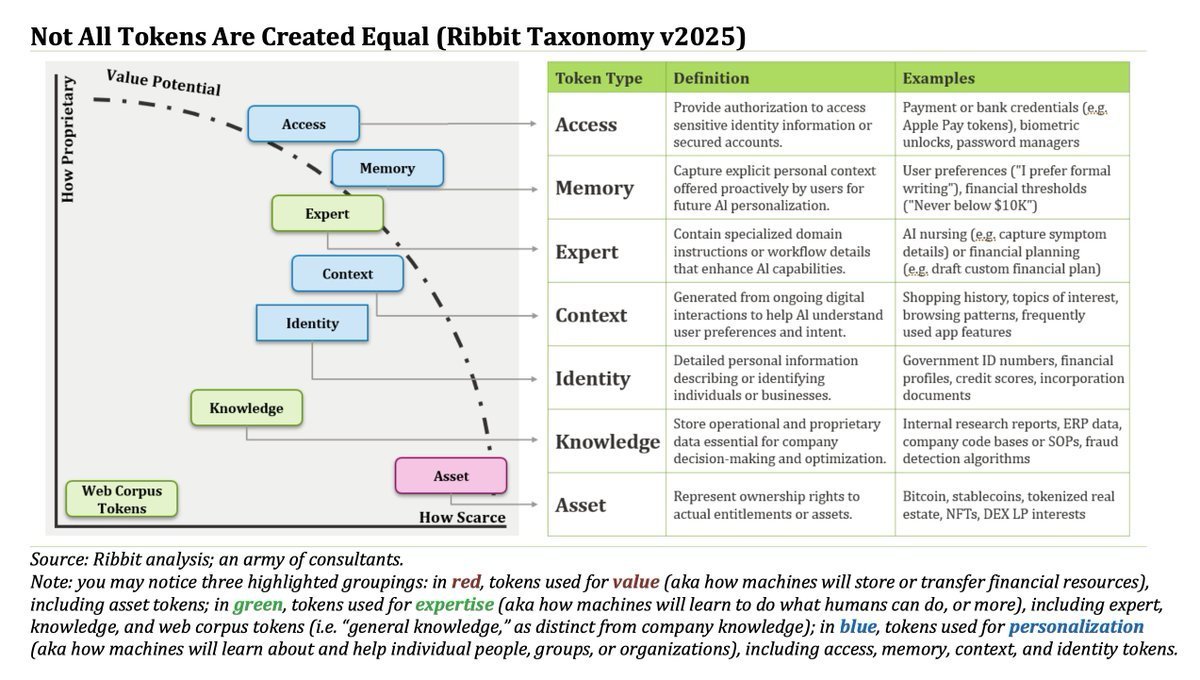
Image source: https://pbs.twimg.com/media/HA4rF4DWwAABVyb.jpg?name=orig
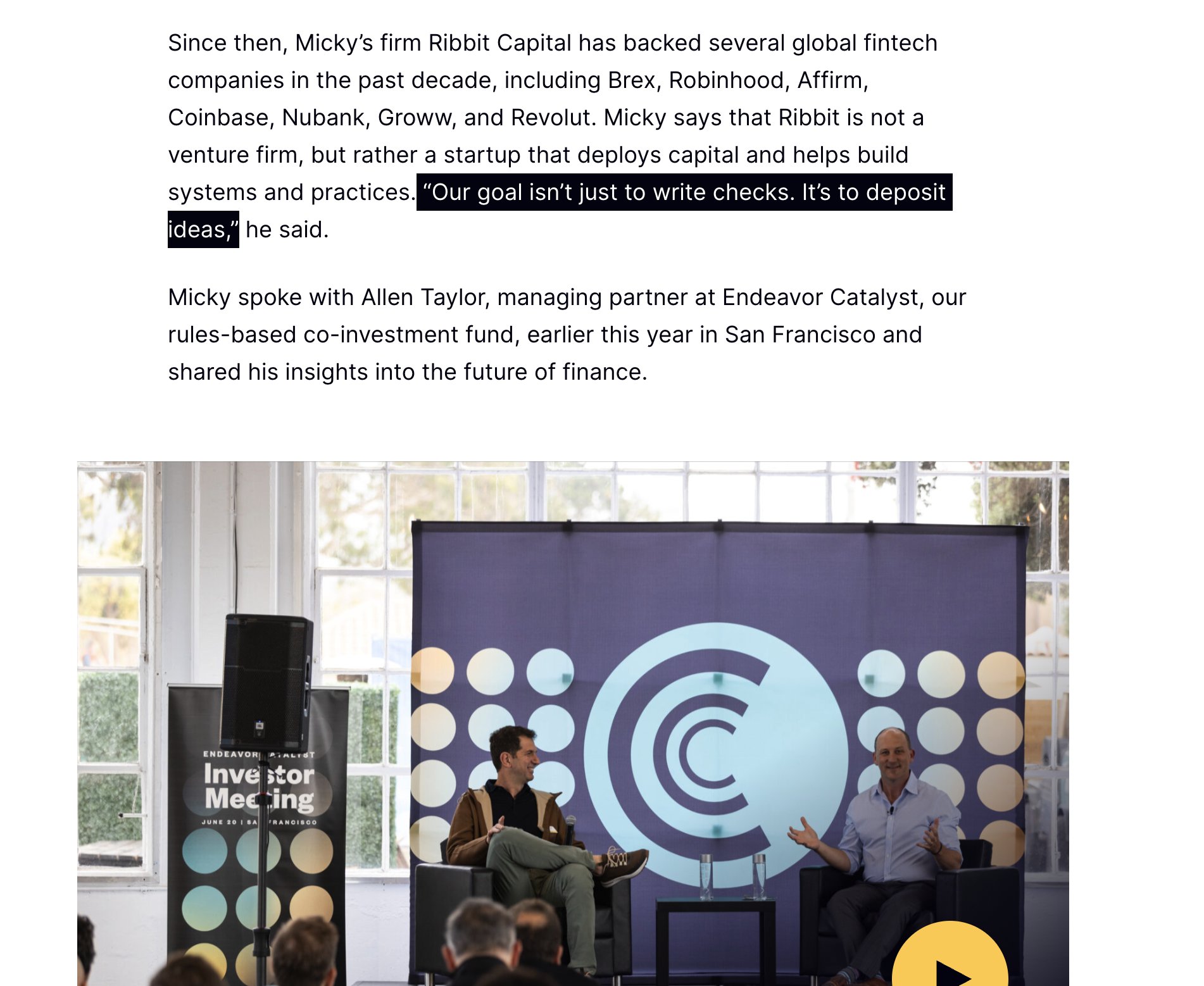
Image source: https://pbs.twimg.com/media/HAzVrxAXkAAGX0T.jpg?name=orig
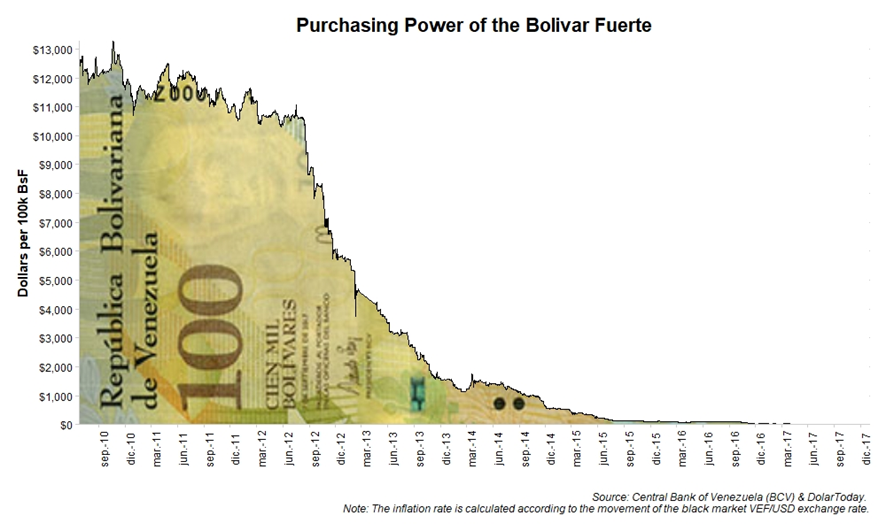
Image source: https://pbs.twimg.com/media/HAuo4ikWsAQH2Lv.png?name=orig
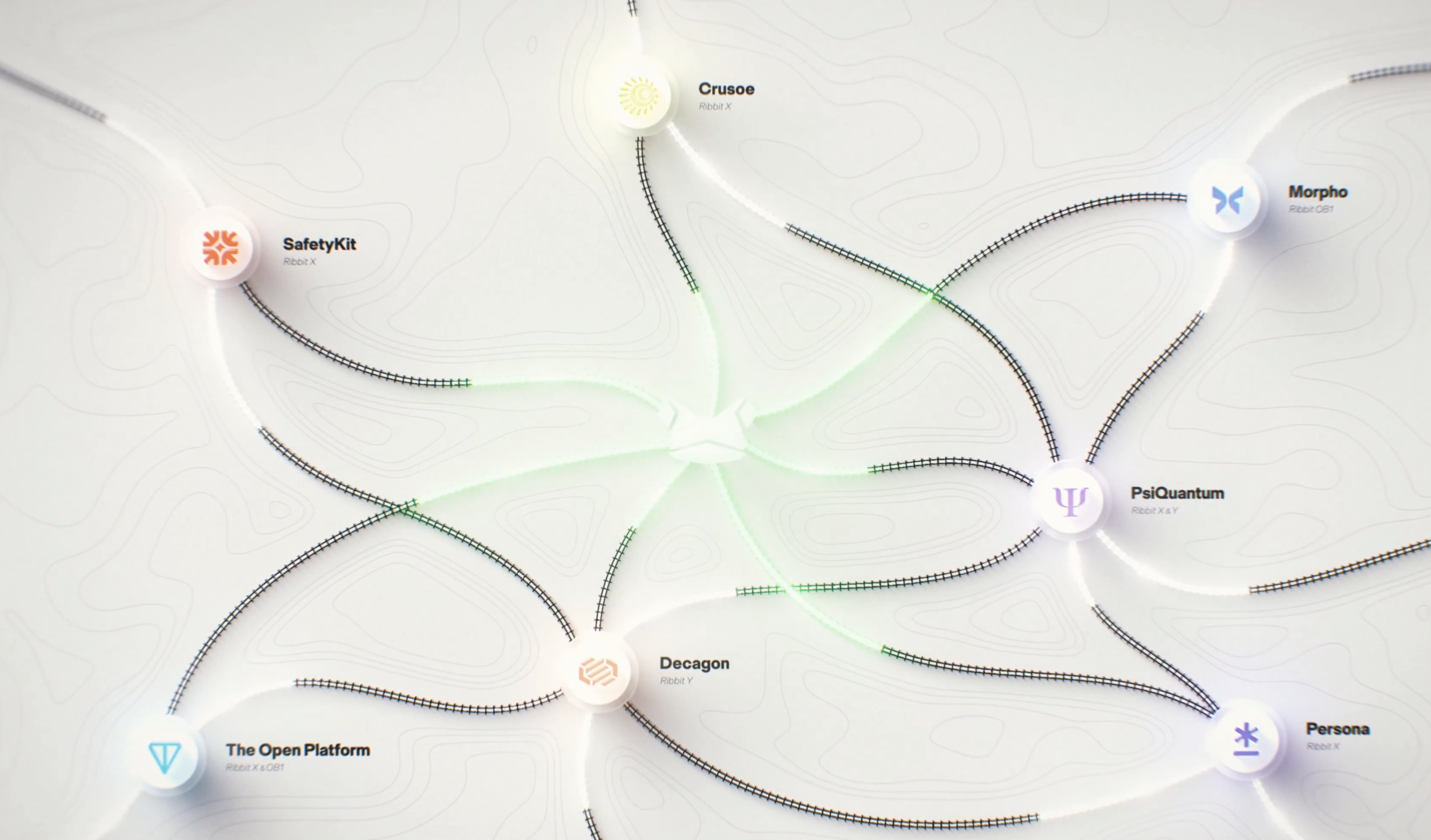
Image source: https://pbs.twimg.com/media/HAzburqWAAAUgkL.jpg?name=orig
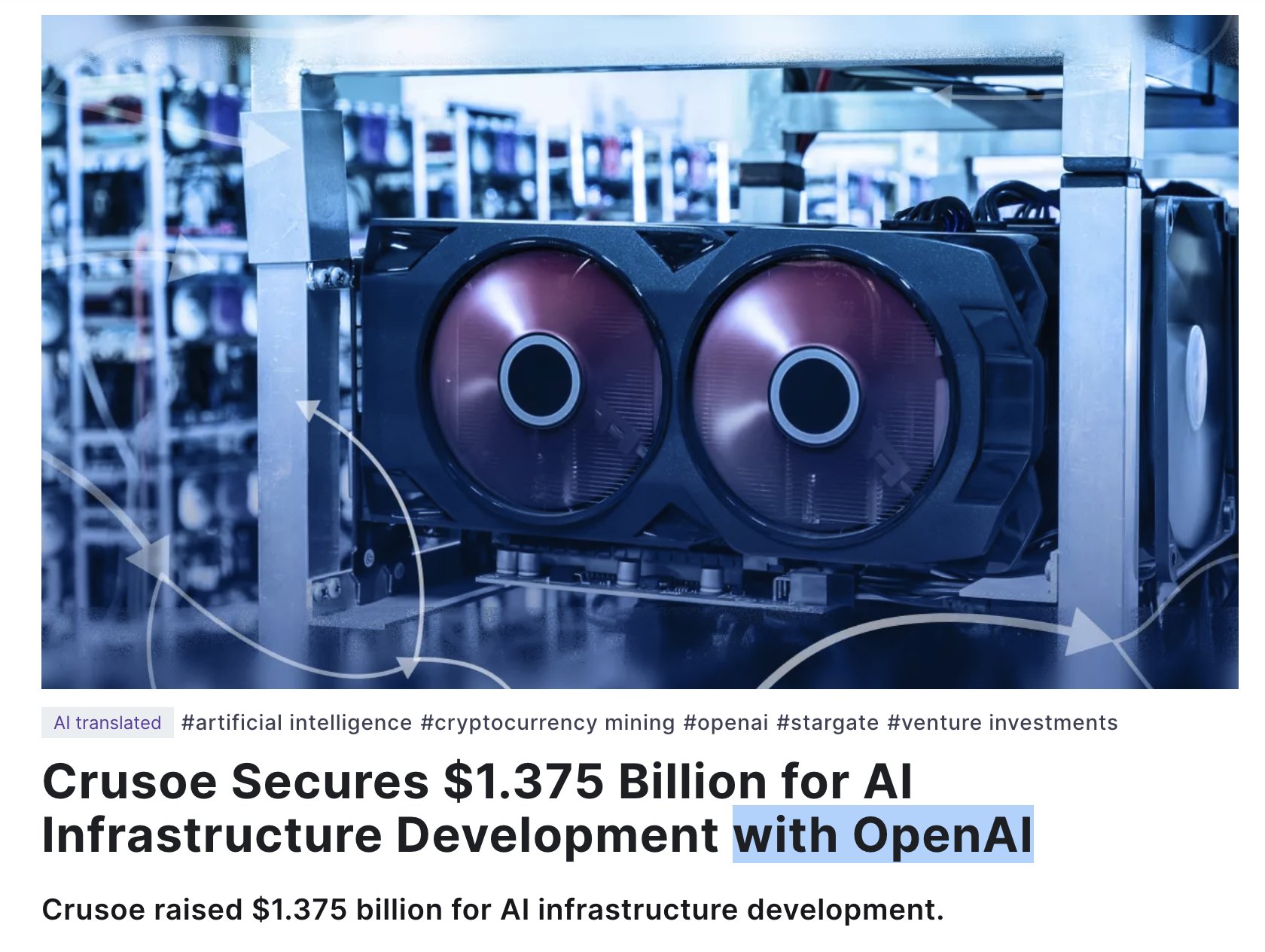
Image source: https://pbs.twimg.com/media/HA4zM2nW0AEHUMW.jpg?name=orig

Image source: https://pbs.twimg.com/media/HA4txh2WMAAtjRz.jpg?name=orig
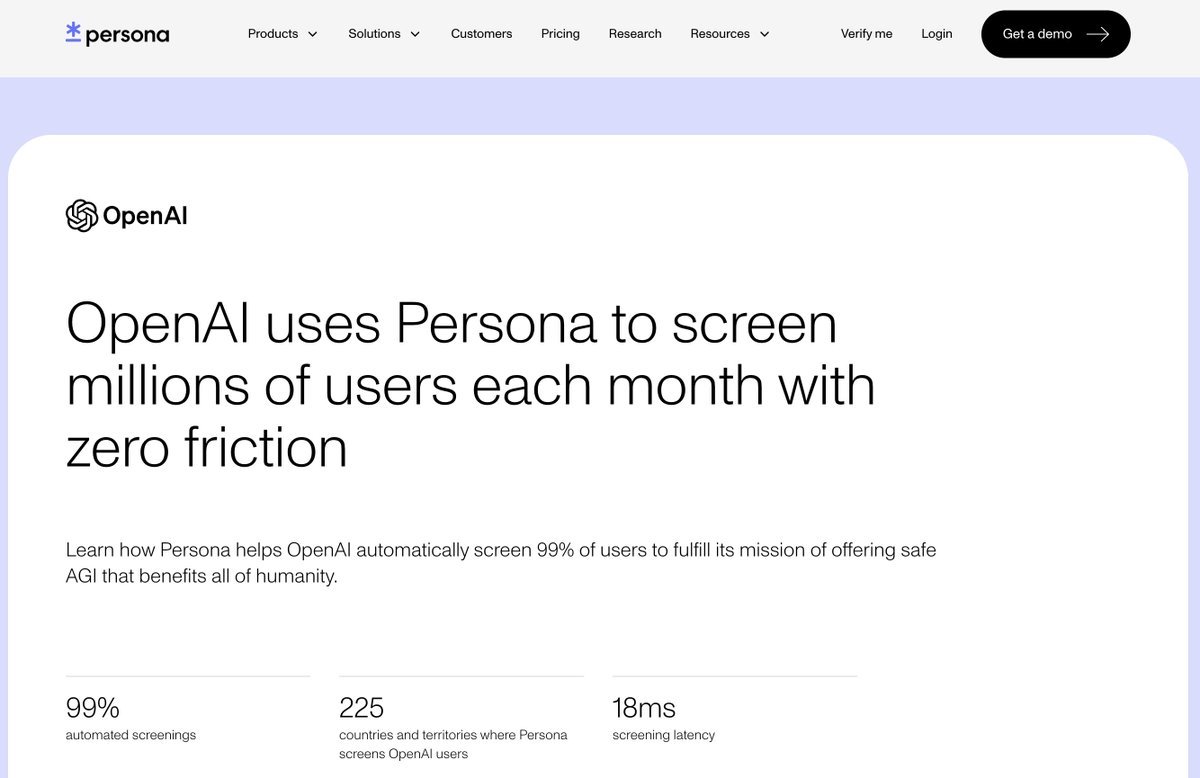
Image source: https://pbs.twimg.com/media/HA4ya3TW4AAsVjJ.jpg?name=orig
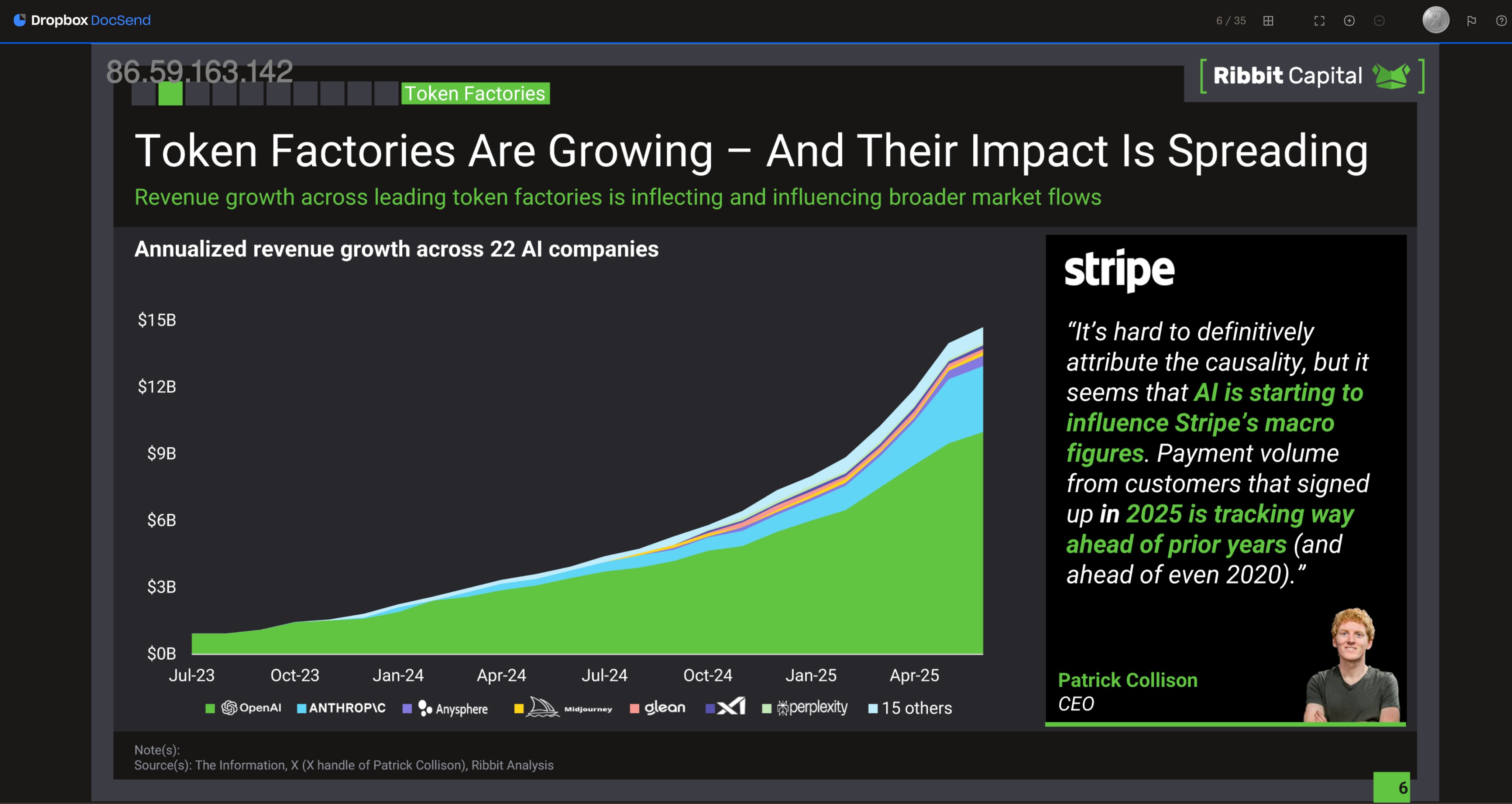
Image source: https://pbs.twimg.com/media/HAzfdU_WUAAzTB4.jpg?name=orig
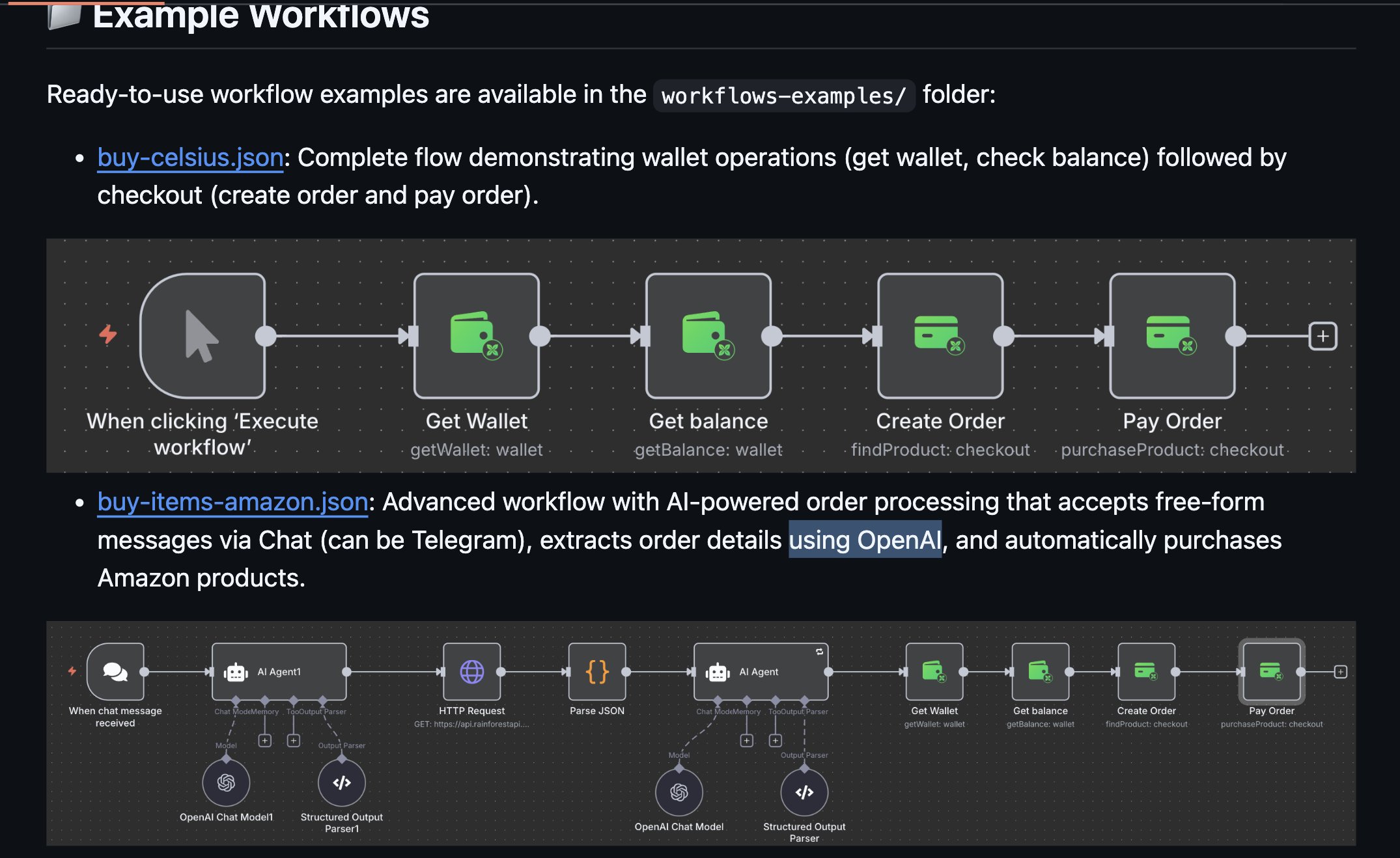
Image source: https://pbs.twimg.com/media/HA4zWwubUAA3xVg.jpg?name=orig
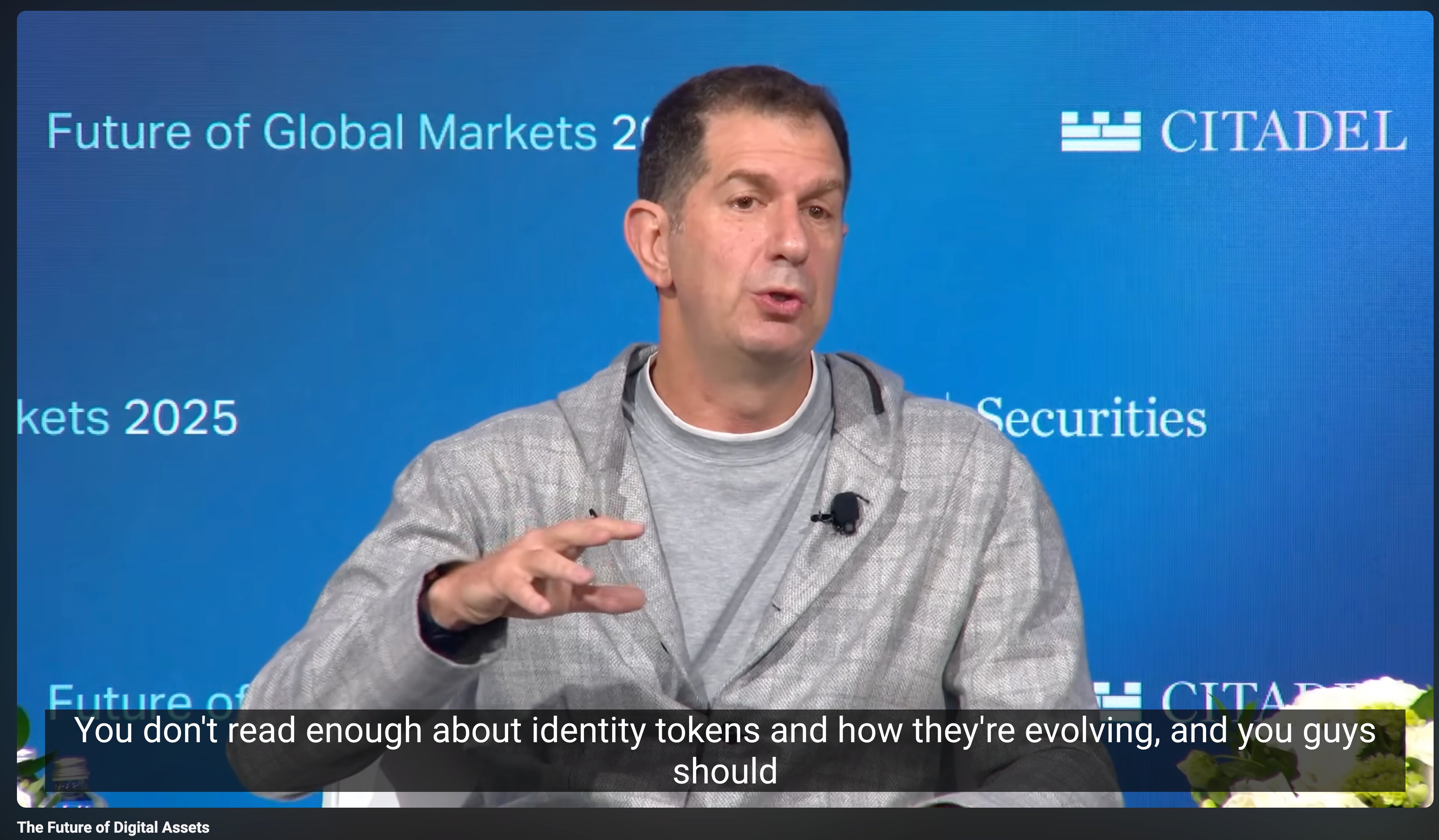
Image source: https://pbs.twimg.com/media/HA4pS0paoAAE9y0.jpg?name=orig
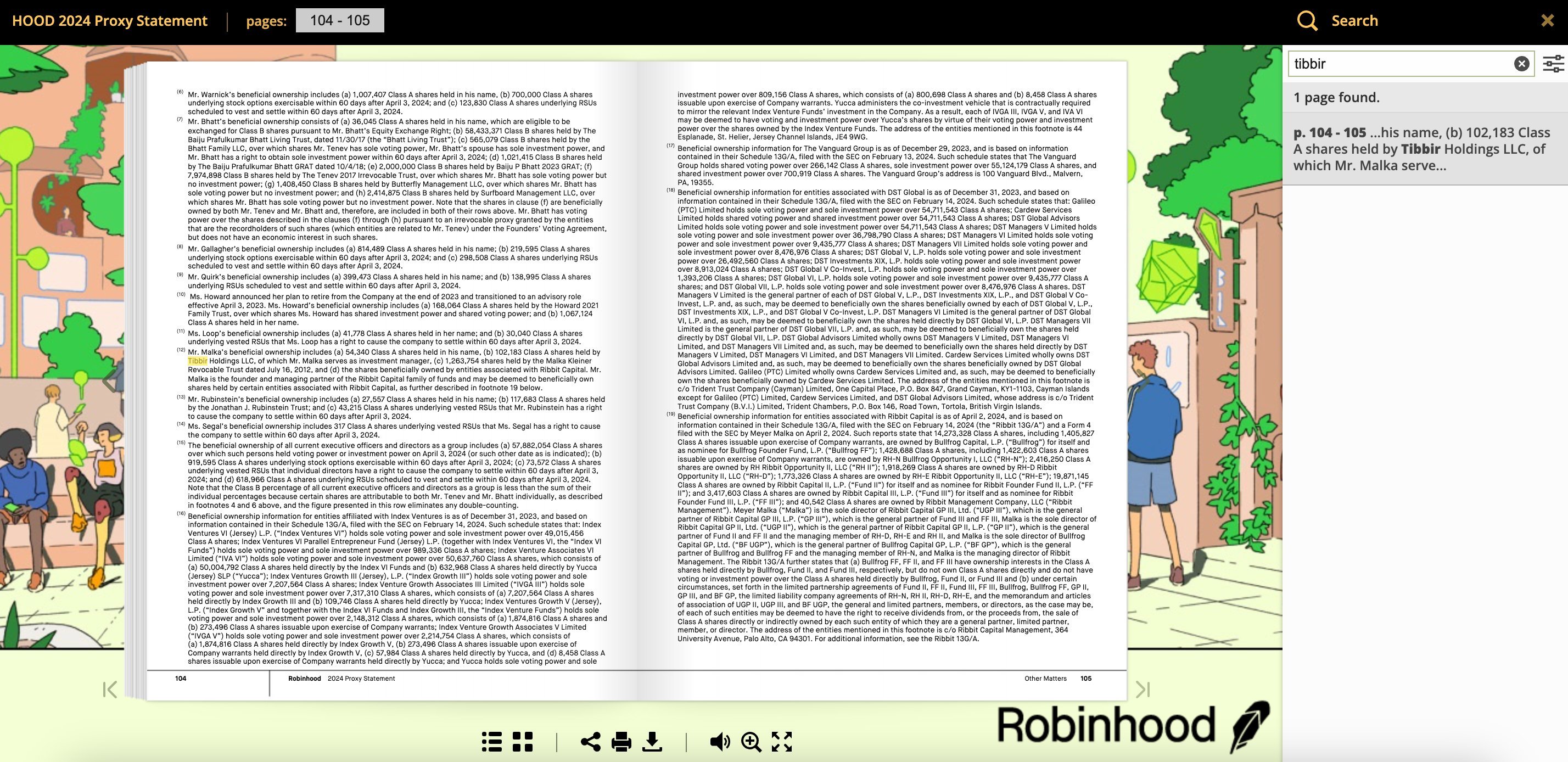
Image source: https://pbs.twimg.com/media/HAzaQBEbsAA9-DO.jpg?name=orig
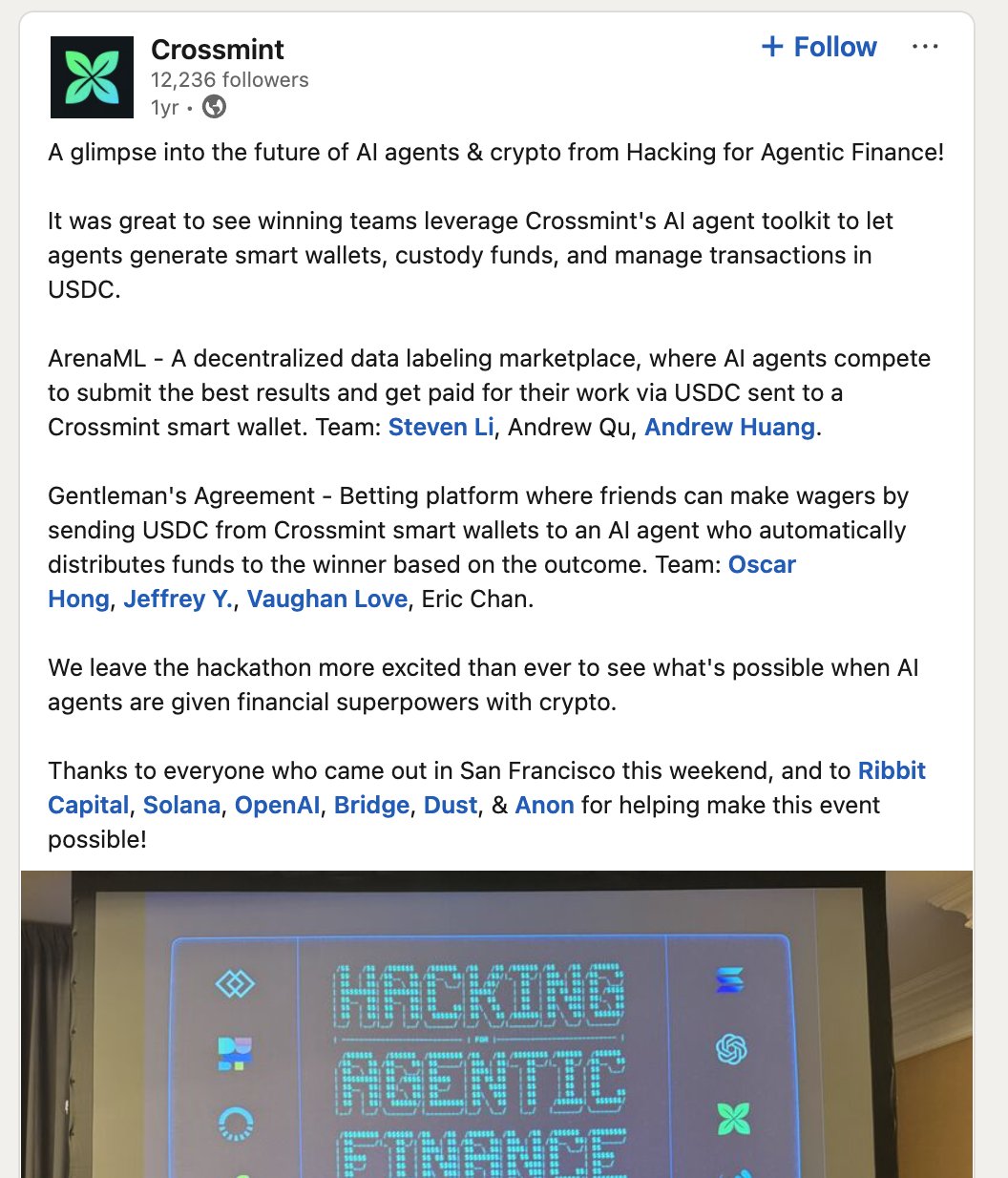
Image source: https://pbs.twimg.com/media/HA47Xq2XgAAKXP9.jpg?name=orig
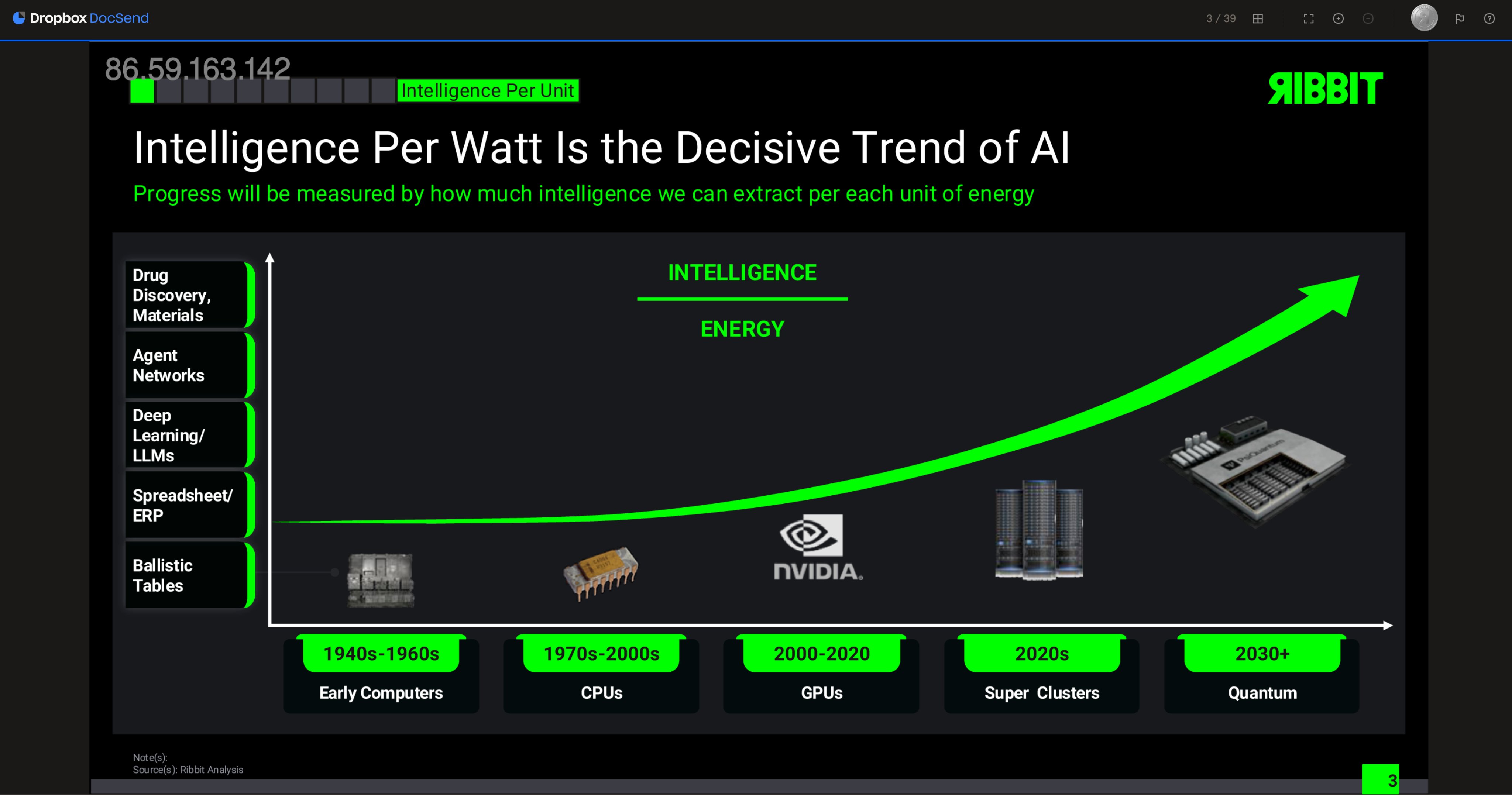
Image source: https://pbs.twimg.com/media/HAzfpoWbQAAEIK1.jpg?name=orig

Image source: https://pbs.twimg.com/profile_images/1833497563254722560/e3ByeeXg_200x200.jpg
Quoted and embedded posts — separate backups
Posts that embed this post
Provenance and integrity
{
  "path": "sources/community-deep-dive-2026-10-14/fx-2051057651362959503.json",
  "sha256": "c7b7f1e6eb41ef296ef1a1667706f53e761303afd2e57518f21015ac1f7cb896",
  "retrieved_at": null
}
Receipt generated: 2026-10-15T09:54:54.080684+00:00. Publication and retrieval dates are separate. SHA-256 hashes detect changes; they do not independently authenticate the publisher.