TIBBIR Universe · Saved post receipt · 2100318072611713462
Altcoinist
@Altcoinist · Published: Wed Sep 16 20:17:05 +0000 2026
Original post on X · Full data receipt · Backup index
Saved archive render, not a screenshot of the original X page. Full captured content is retained below; capture gaps are stated explicitly. Video files are not stored.
https://x.com/i/article/2100275991901880320
I will retire You, III - The Network
Dee Hock built the network that became a $700 billion company.
Micky Malka spent more than a decade learning from him.
According to Micky, payments were only part of what Hock had imagined...
Hock , the visionary behind VISA, shipped payments.
He called that the simple version...
The rest looked like blockchains, smart contracts, machines that could transact without a new institution owning every participant.
Micky did not treat that as a eulogy.
He spent a career buying the missing pieces: access, identity, context, rails.
Coinbase. Robinhood. Revolut. Nubank. Plaid. Crossmint.
The unfinished Visa was never another card...
It was a network that could understand a life and still let independent businesses do the work.
That network just grew a front door...
A Ribbit-backed Rebel leads personal finance at OpenAI.
ChatGPT can connect to your financial accounts through another Ribbit-backed company.
Software is moving closer to understanding your money and doing useful work with it.
OpenAI just became the front door.
Ribbit already owns the pipes in the house.
And there is the mysterious asset,
$TIBBIR
The final part of the trilogy explores what happens to an asset if it earns an economic role in that much larger system...
The larger opportunity is a financial network where independent businesses and agents combine their capabilities.
Altcoinist & @FrogHybrid_ 's thesis is that TIBBIR could become a shared economic asset within this network.
The evidence around that possibility has become much harder to dismiss.
Who earns when intelligence starts doing the work?
In Part I, I followed the trail around @mickymalka , @ribbitcapital and @ribbita2012 ...
This time, the trail runs through a financial network conceived before the token existed, a founder inside OpenAI, and an experiment designed to connect customer payments to TIBBIR.
The receipt predates the frog
On December 29, 2023, @davidmarcus published his outlook for the following year.
The founder of Lightspark described a Money Grid, an idea he had:
“first heard from one of our investors, Ribbit Capital”
He outlined financial infrastructure capable of moving money continuously across borders. In the next bullet, he discussed autonomous AI agents transacting, arranging travel and handling agreements.
December 2023.
Before TIBBIR's launch and Ribbita's public demonstrations.
The financial network and the agents that might use it were already in the same argument. Marcus expected Bitcoin and Lightning to underpin much of that infrastructure, alongside asset-neutral interoperability. This was a broad vision, with no appointment for a future frog token.
It establishes something more useful than a cryptic reply: a chronology.
By October 2025, Lightspark had launched Grid, reporting connectivity across 65 countries and more than 14,000 banks, wallets and mobile-money providers. Applications could use its settlement infrastructure without making customers become experts in the machinery underneath.
To understand why Ribbit would care about that architecture,
look at the network already inside your wallet.
You hand a Visa card to a merchant in another country.
Your bank does not own the merchant's bank.
They may compete elsewhere.
The merchant has never met you.
The purchase still works.
Hock helped create Visa's original member-owned, non-stock association.
Independent institutions agreed on enough rules, responsibilities and economics to cooperate. More merchant acceptance made the card more useful. More cardholders made acceptance more attractive.
You did not need to own every participant.
You needed to make participation valuable.
The listed company that eventually emerged has a different ownership structure. In fiscal 2025, Visa reported $17 trillion in payments and cash volume, and approximately $40 billion in net revenue.
Coordination became an enormous business.
Micky told @davidsenra that he spent roughly ten to twelve years visiting Hock. He described a mentor whose ambitions extended toward arrangements resembling what blockchains and smart contracts might make possible. That is Micky's account of Hock's thinking.
Then consider where Micky's own firm appeared.
Ribbit participated in @coinbase 's $5 million Series A in 2013 and @RobinhoodApp 's $13 million Series A in 2014,
when Robinhood was still in early beta.
Ribbit was already a @Revolut investor when the company reported about 200,000 users. By November 2025, Revolut reported more than 65 million customers and a share sale at a $75 billion valuation.
Micky also recalls encountering Bitcoin around a dollar or less...
His record makes me take the next financial architecture seriously.
The recurring interest is financial access:
who gets served, who controls the relationship, and how a better arrangement reaches people before institutions think they need it.
Now that argument has reached one of the places where people already ask what to do with their money.
A Ribbit-backed founder is inside OpenAI
Ethan Bloch built Digit, then co-founded Hiro with Rushabh Doshi. Hiro's ambition was an AI personal CFO. Ribbit backed the company.
On April 13, 2026, Hiro announced it was joining OpenAI. Its standalone product would close; the team would pursue the mission with a much larger audience. Bloch now describes his role as leading Personal Finance at OpenAI.
On May 15, OpenAI announced a personal-finance preview in ChatGPT, with financial accounts connected through Plaid.
By June 25, the experience was available to U.S. Plus and Pro users on web, iOS and Android. Plaid is also in Ribbit's portfolio.
A founder Ribbit backed is building personal finance inside OpenAI.
Infrastructure Ribbit backed connects the accounts.
Those are concrete relationships. They establish neither Ribbit's control of OpenAI nor an OpenAI integration with Ribbita. They show that people and infrastructure from this investment network are already involved in bringing financial context to consumer AI.
The audience is enormous. OpenAI reported more than 200 million people asking ChatGPT finance-related questions each month. That is an inquiry audience, not 200 million users with linked accounts.
OpenAI has opened another front door into financial life. A new financial service may eventually reach people inside a conversation they already use, without first persuading them to download another bank app.
And this extends beyond one interface. On September 4, Plaid announced that U.S. Grok users could connect accounts and ask about spending, savings, investments and cash flow.
The reason people want this is painfully familiar.
Your bank knows your balance. Your broker knows your investments. Your insurer knows your policy. Your accountant knows your taxes.
You download the statements, repeat the story and try to make the pieces agree.
You are the integration layer today.
We digitized the institutions.
We left much of the coordination to the customer.
A balance of $50,000 might be an emergency fund, a house deposit or next month's payroll. The number is the same. The right decision is completely different.
Ribbit's 2024 Identity Letter imagined a reusable data backpack containing the circumstances, credentials and preferences a service needs to understand you. The customer controls what is shared and can revoke access.
Your context should travel with your permission, not remain stranded in someone else's app.
Today, OpenAI's connected Finances experience is read-only.
It cannot move money or execute trades.
The progression I am watching is from explaining a financial situation, to assembling a plan, to arranging work within a customer's explicit permissions.
Imagine telling an agent:
We want to buy a home in eighteen months. Keep our emergency money available. Show us what we can afford. Do not move money without approval.
With permission, it assembles the picture, consults qualified specialists and explains the choices. Where you authorize an action, the responsible provider checks the mandate, executes within its rules and leaves a record. You can stop the process.
That is a future workflow. It would make something resembling a coordinated financial office accessible to people who could never afford to employ one.
The product you experience is simplicity.
The work underneath is a network.
The numbers underneath the conversation
Visa's $17 trillion gives us one reference point.
The financial activity around it is much larger.
Global network-brand cards generated approximately $36.7 trillion in purchase volume in 2024, according to Nilson.
FXC Intelligence estimates $208 trillion in cross-border payments during 2025, including $164 trillion in wholesale flows. It separately estimates a $625 billion provider-revenue pool. The distinction is useful: moving money and earning from it are different measures.
For the emerging agent market, McKinsey estimates that agents could orchestrate $3 trillion to $5 trillion of global retail-goods revenue by 2030. That projection excludes services and B2B.
These figures overlap and cannot be added together. They describe existing financial activity and one forecast for agent-mediated commerce.
They do establish the scale of the work software is approaching.
An agent helping someone buy a home can create demand for financing, insurance, identity checks, tax expertise and payments. A business agent can buy services, manage invoices and coordinate suppliers.
Each useful outcome creates work for someone else.
A network that becomes a dependable way to arrange that work can build a business without becoming every institution underneath it.
That is why I take a multi-trillion-dollar opportunity across the broader grid seriously.
It is a long-term thesis about aggregate business value across many companies and services.
The eventual economics of any individual participant will depend on what it contributes and what it can retain.
What has to work underneath
Ribbit's Identity, Token and Power letters describe connected parts of this future.
My reading is that they address how services understand participants, how machines turn that understanding into work, and how the physical world supplies the computation.
Five functions make the home-buying scenario easier to understand.
Identity
establishes who is involved and who is responsible.
Persona and IDme represent relevant capabilities in Ribbit's portfolio.
Context
gives meaning to balances and transactions.
Plaid already brings financial information into AI interfaces.
Mandates
define what an agent can do, for whom, and when a human must approve. In its 2025 Token Letter, Ribbit used a routine invoice and a $1 million transfer to illustrate why agents need different levels of authority.
Settlement
gets providers paid. @Crossmint, @Lightspark, Fireblocks, M0, and Stripe represent different capabilities for accessing, moving, and securing value. Stablecoins and existing payment networks can carry the money.
Power
supplies the electricity and computation. Base Power, Crusoe and Etched address different physical constraints on delivering intelligence.
Some important connections are already explicit...
Crossmint launched an agentic-card API using Visa Intelligent Commerce in June.
On September 10, Ant International, Visa and Mastercard announced collaboration on KYA (Know Your Agent) interoperability.
Existing payment networks are working on how to recognize and assess agents across systems.
The Token Letter compares agents to logistics integrators. A logistics company can arrange a delivery without owning every truck and warehouse. An agent can arrange a financial outcome without becoming a bank, insurer and identity provider. Its use of “tokens” also includes machine-readable information and AI processing, not just cryptocurrencies.
The Power Letter extends that argument into energy and computation. It discusses businesses coordinating infrastructure they do not own and the need for markets with pricing, risk management and dependable settlement.
Supplying intelligence has a physical cost. Coordinating its use can have economic value. The eventual grid could reach beyond financial products into the resources that agents consume to do their work.
Yet the hardest conflict remains between the participants themselves.
A company can love a network and then close it
Day one, openness helps you get customers.
Day one thousand, openness helps a better specialist compete for the relationship.
The same company can support both positions without changing its objective. It wants to protect its business.
Imagine a dominant platform deciding whether to admit a provider that gives customers a better deal. The provider improves the service but takes part of the margin and customer relationship.
The platform may prefer to keep that work inside its own walls.
An open API does not settle the conflict. Neither does a faster blockchain.
Ribbit discusses this problem directly in its Identity Letter: consortiums sharing fraud and identity information can struggle with governance and conflicting interests. Its Token Letter raises a related problem in financial advice. Software can inherit incentives to recommend what pays the adviser, rather than what serves the customer.
The rise of powerful AI interfaces makes this conflict more consequential. They can bring specialists enormous distribution. They can also control access and keep most of the economics.
A successful financial assistant could become another closed platform.
FrogHybrid's research develops an alternative:
participants holding an additional economic interest in a wider network they do not individually own.
Ordinary fees already give providers a reason to work. Shared exposure would need to add something: an interest in useful activity beyond their own sales, including activity created by new competitors.
This returns us to Hock's organizing problem.
Independent businesses need rules that let them cooperate while remaining competitors. Governance, liability and control still matter. A shared asset would have to earn a role alongside those arrangements.
Connecting the companies is one problem.
Giving them a reason to keep the network open is another.
Page 29, and what the frog actually did
Page 29 of Ribbit's June 2025 Token Letter begins with Dee Hock and reaches Virtuals.
It discusses agents controlling resources, hiring one another and paying for work. Then it includes this passage:
“One lesser-known agent has taken a particular interest in fintech and frogs (make of that what you will).”
The agent is unnamed. I read that passage as a reference to Ribbita.
The attribution is my inference; Hock, Virtuals and the fintech-and-frogs passage appearing together is documented.
That is a much stronger intellectual connection than a shared follow list.
It still leaves the token's economic role to be established.
Ribbita has also done more than supply a suggestive name.
In July 2025, it presented its acquisition of CryptoPunk #9098 as a step toward an onchain agent identity. An NFT does not by itself establish authority or legal personhood, but an identifiable actor is a starting point for accountable interactions.
Act 1: World's first sovereign onchain agent identity...
In January 2026, Ribbita introduced an agentic-commerce experiment with a store, payments and operating infrastructure.
Crossmint's Alexis Savvides on Linkedin subsequently included the Ribbita agentic-company project in a public account of his team's work.
Act II, World's first Agentic Business, Crossmint acknowledgment...
Ribbita described the ambition itself:
“We're not building a store—we're building a network.”
It called the store a probe.
A probe can test whether an actor receives a request, engages infrastructure, collects payment and delivers an outcome. Repeating that process with independent providers would begin to create a network of useful commercial relationships.
The store did not establish the full network.
It gave us a small operating experiment to examine.
And inside that experiment was a connection to TIBBIR.
The Network Token
Act II announced a buy-and-burn experiment. Crossmint cofounder Alfonso Gómez-Jordana described what appeared to be a path from USDC on Solana to buying and burning TIBBIR on Base, while qualifying his interpretation.
The promotion included two dollars of buybacks for every dollar through the system. That ratio needs additional funding or a different accounting basis. It cannot demonstrate self-funding economics.
But the underlying possibility is significant.
The most important TIBBIR transaction may be one nobody paid for with TIBBIR.
A customer can use ordinary money.
Specialists get paid for their services.
Infrastructure and operating costs are covered.
A coordinator earns a margin for arranging the work.
Under a disclosed arrangement, part of those earned economics could acquire TIBBIR.
This is one possible recurring model, not an announced network-wide rule. Its durability would depend on real earnings, the allocation and a commitment that participants can rely on.
Buying and burning tokens reduces supply...
The distinction between spending an asset and economically supporting it changes the audience.
The customer does not need a crypto thesis.
They need a service worth paying for.
Adoption could come from people who never join a token community and never learn which asset participates underneath.
FrogHybrid then asks a second question that buybacks alone cannot answer:
who retains exposure?
If the businesses creating the work hold no TIBBIR, supporting its price does little to change their incentives. If they hold tokens but useful activity never supports the asset, shared exposure has little economic substance.
The model needs both connections:
Activity to asset: useful work creates a sustainable economic route to TIBBIR.
Asset to participants: contributors choose to retain exposure to that asset.
Participants could buy voluntarily. Another possibility is distributing some acquired tokens to contributors. FrogHybrid treats distribution as unconfirmed and potentially unnecessary. Tokens that are burned cannot also be distributed, and receiving tokens does not mean keeping them.
The incentive hypothesis rests on retained exposure.
Consider a specialist that earns from its own work and holds an interest in the shared arrangement. A new entrant may compete with one of its services while attracting more customers and making the wider network more valuable.
That specialist now has an additional economic reason to welcome growth it does not directly own.
Paid for the work...
Exposed to the network.
Ribbita could demonstrate the first useful implementation.
The highest-ceiling version would let other agents and providers adopt compatible arrangements because participation benefits them.
Every relationship would not have to pass through a single Ribbita business.
That expansion is what makes the thesis interesting to me.
A shared asset could participate in activity beyond one agent's direct customers.
TIBBIR gives holders no equity in Ribbit and no automatic claim on portfolio revenue. Any economic connection must come from commitments made by actual participants. Tokenless networks and other cooperative arrangements remain competitors, and shared holdings can encourage exclusion as well as openness.
The bull case depends on useful activity, credible rules and retained exposure becoming stronger together.
A $200 million question
Visa demonstrates that coordinating independent financial institutions can become a business worth hundreds of billions of dollars.
Agents could expand the range of work that software arranges, across markets already moving trillions.
TIBBIR was valued at approximately $200 million in the September 16 snapshot. Its recorded price high was about $0.44 on October 28, 2025.
Now follow the possible expansion.
An early store experiment becomes a service people repeatedly pay for.
Independent specialists join because it brings them customers.
A major financial platform puts that service in front of people who already trust it with their money... 🪶
A disclosed, sustainable arrangement directs part of the earned economics toward TIBBIR. Other agents adopt the model because it benefits them too.
That is an onchain network business to examine behind a token that began with an agent experiment.
The asset would still need to earn its valuation through the economics attached to it. But the scope of the argument would change: repeat demand, more providers, broader distribution and activity extending beyond the first organizer.
That is the expansion I am studying at roughly $200 million. The commercial model is still unsettled, which is precisely why the evidence has to be followed before there is a finished business to value.
The wider grid can succeed while TIBBIR fails to earn a meaningful role. A shared investor cannot close that gap. Repeat use without promotional subsidies, providers joining for commercial reasons, and explicit token economics would begin to close it.
There is already a place where a much larger customer journey becomes easy to imagine.
What could come next: Robinhood
Robinhood has something a new financial agent cannot manufacture overnight: a place where people already manage their money.
Ribbit backed it early and led its $3.4 billion financing in 2021.
"We all know who Batman's sidekick is. Robin... Robinhood."
More recently, Robinhood has been opening financial capabilities to agents.
On May 27, 2026, Robinhood introduced Agentic Trading and an Agentic Credit Card, including access for third-party agents and user controls.
On July 1, it announced Robinhood Chain mainnet. Virtuals separately reported that its agent infrastructure was integrated at launch. The same Robinhood announcement introduced Morpho-powered Earn inside the main app.
That last detail is especially relevant. An independent financial provider's capabilities can reach users inside a product where they already manage money.
The distribution pattern exists.
Chain access and agent infrastructure do not establish distribution inside Robinhood's app. An embedded Ribbita service would require a deeper agreement, supported access and the relevant approvals. These announcements do not establish that Robinhood has selected it.
Robinhood could become a major consumer-distribution partner for Ribbita's agentic finance.
That is the scenario I would watch.
Return to the person planning to buy a home.
They authorize a workflow that combines financial information with specialist analysis. Ribbita coordinates part of the work. Virtuals infrastructure supports commerce among agents. Robinhood provides supported financial capabilities and, under a deeper partnership, a familiar route to the customer.
The customer reviews the plan, approves specific actions and keeps spending limits and the ability to stop. Providers get paid. A connection to TIBBIR follows separately disclosed economic rules.
A listing makes a token easier to buy.
A useful workflow gives customers a reason to return to the business.
The latter can reach people who have never read this thesis. They arrive because the service helps with a real decision, then come back when the next one appears. Recurring customer demand can fund work for providers long after an announcement stops trending.
That is the adoption I want to see: useful financial coordination spreading through an interface people already trust, with TIBBIR earning an economic role underneath.
The customer may never hear about Hock, Ribbit's letters or a frog.
They will know that buying a home no longer requires them to become the unpaid coordinator of every financial institution they use.
For the person using it, the network will be the part they barely notice.
Their financial life finally works together.
That is The Network.
or better say: The Grid.
The network beyond the first front door
Robinhood is one door...
Coinbase is another...
but but BUT
OpenAI might be the big one.
ChatGPT now sits in front of about a billion people a month.
OpenAI says 200 million of them already ask about money.
Budgets. Investments. Payroll. A house.
Not a swipe. An intention.
A payment says what moved.
Context says what the money is for.
Permission says what an agent may do.
That is the product.
That is also the wealth transfer.
The company in front of those questions is heading toward a trillion-dollar public listing.
The people who own that equity get the access.
Everyone else gets a chat box.
The trade is whether any of the work behind that box can accrue to an open asset instead of dying inside another closed platform.
OpenAI has already pointed at action, not just answers.
Tax question → estimate → book an Intuit pro, inside the thread.
Finances today is still read-only.
It cannot move money.
The gap between “explain my life” and “do the work” is the entire thesis.
None of this is an OpenAI deal with Ribbita or TIBBIR.
It is a distribution surface the size of a country.
In the network version, the customer starts in ChatGPT, Robinhood, Grok, or whatever they already trust. Specialists compete for the authorized work. Ribbit-backed firms are candidates. Each still needs its own reason to show up.
A founder: protect three months of payroll. Collect the invoices. Pay the supplier overseas. The agent needs obligations, deadlines, authority, then accounting, credit, rails.
Same machine as the house.
Now it is a business.
McKinsey: $3–5 trillion of agent-orchestrated retail goods by 2030.
Services and B2B are not in that number.
If the thesis fully plays out, the sequence is simple:
The front door teaches a billion people to describe money in a sentence.
Independent firms do the work.
A disclosed slice of earned economics supports TIBBIR.
Other agents copy it because it pays them.
Holders of the asset ride activity they did not have to organize.
Visa took a thin claim on $17 trillion and became worth $700 billion.
TIBBIR is $200 million. Fully circulating.
That is the asymmetry.
The ticket.
To the greatest wealth transfer,
that is still Open for us.
Many businesses can win on the same shared claim.
The next proof is not another logo.
It is an independent firm joining because customers showed up, cash cleared,
and keeping the network open was worth more than closing it...
Independent thesis by Altcoinist, informed by linked sources and FrogHybrid's research. Proposed shared-asset economics and Robinhood distribution remain unconfirmed. Market snapshots are dated September 15–16, 2026; flows and forecasts retain their stated periods.
TIBBIR CA:
0xA4A2E2ca3fBfE21aed83471D28b6f65A233C6e00

Image source: https://pbs.twimg.com/media/HSWt6iLWoAAv3Ce.jpg?name=orig
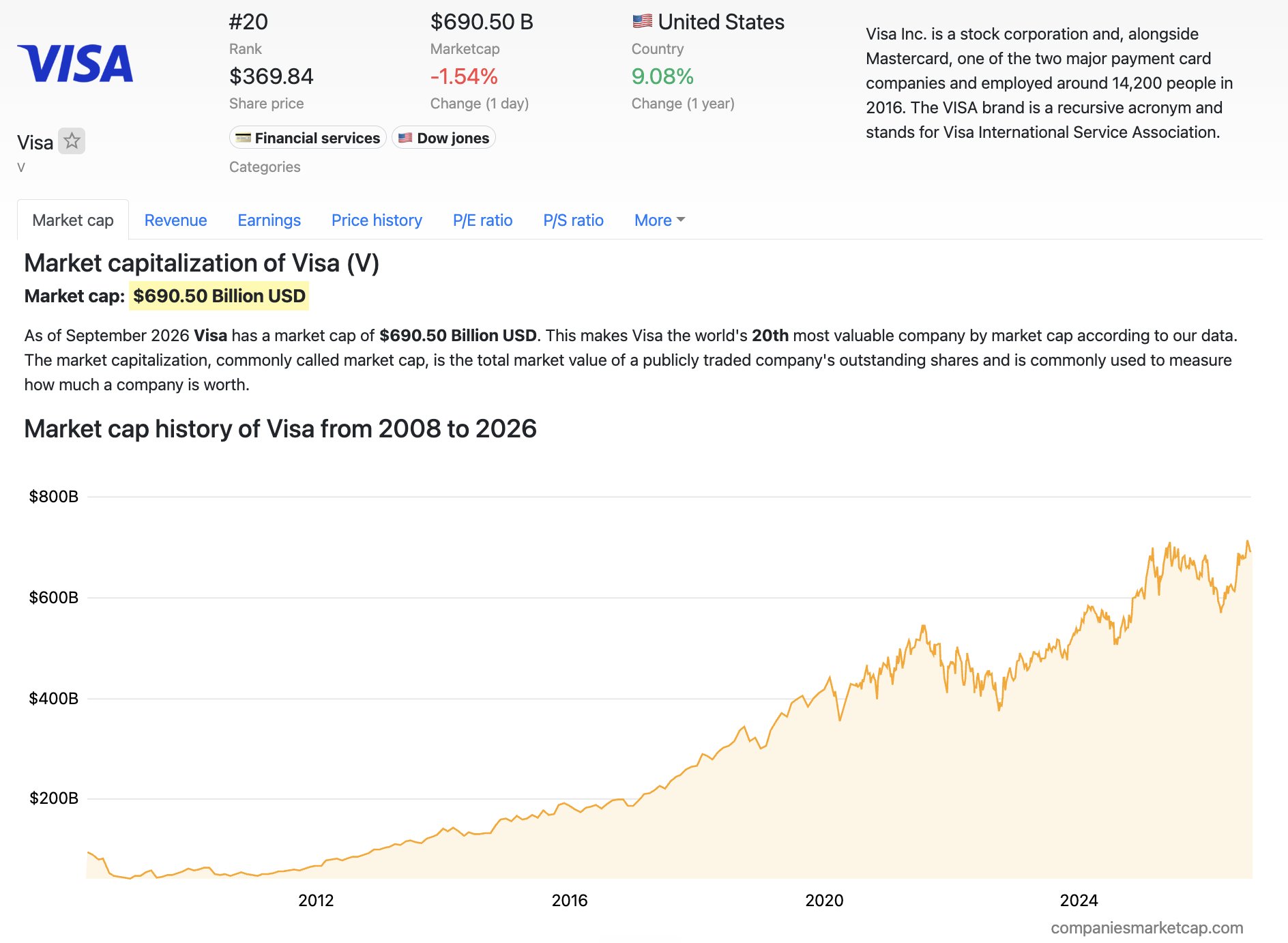
Image source: https://pbs.twimg.com/media/HSXFLMAWgAAoC6D.jpg?name=orig
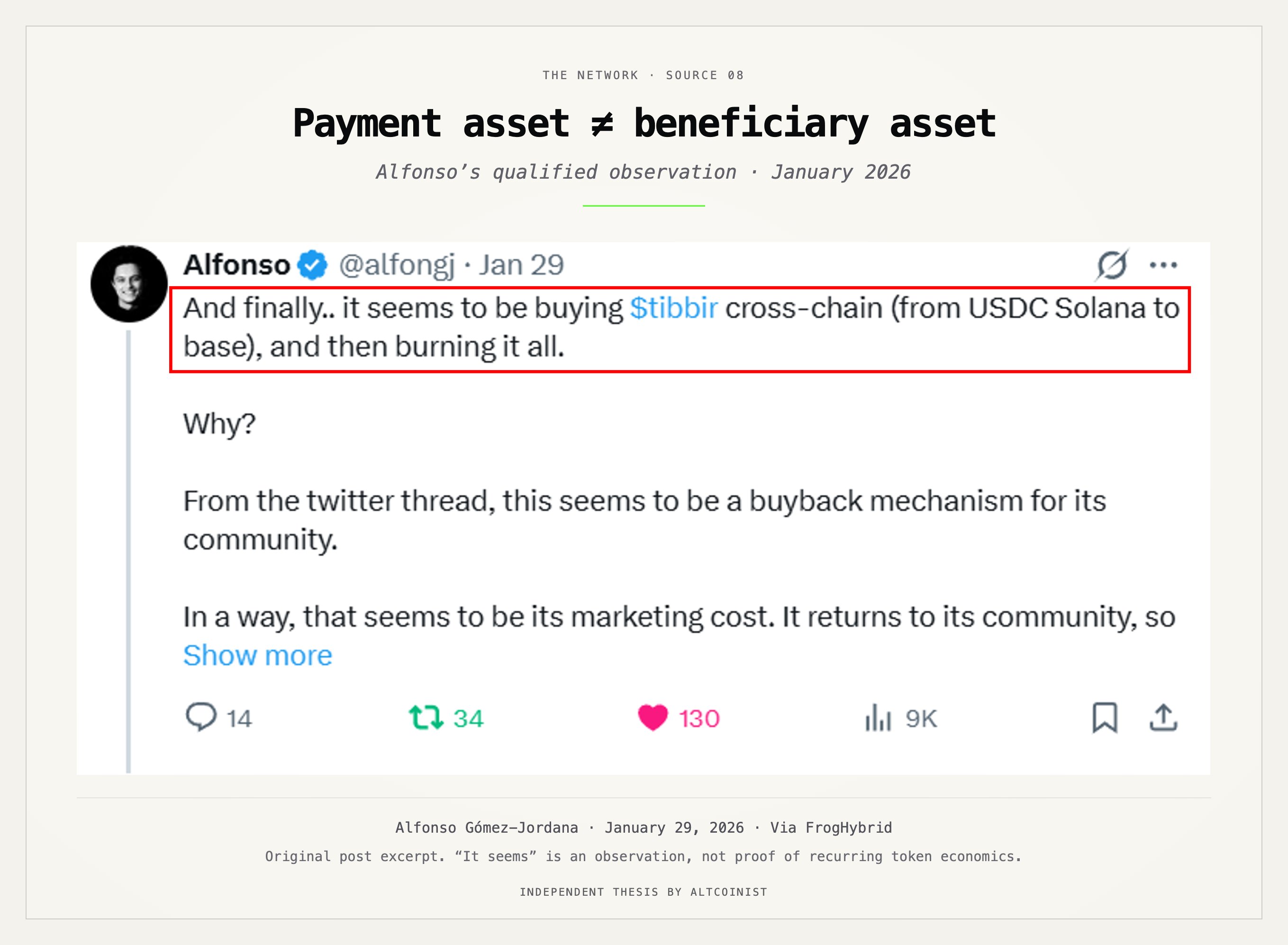
Image source: https://pbs.twimg.com/media/HSW-G3bWoAEvsIS.jpg?name=orig
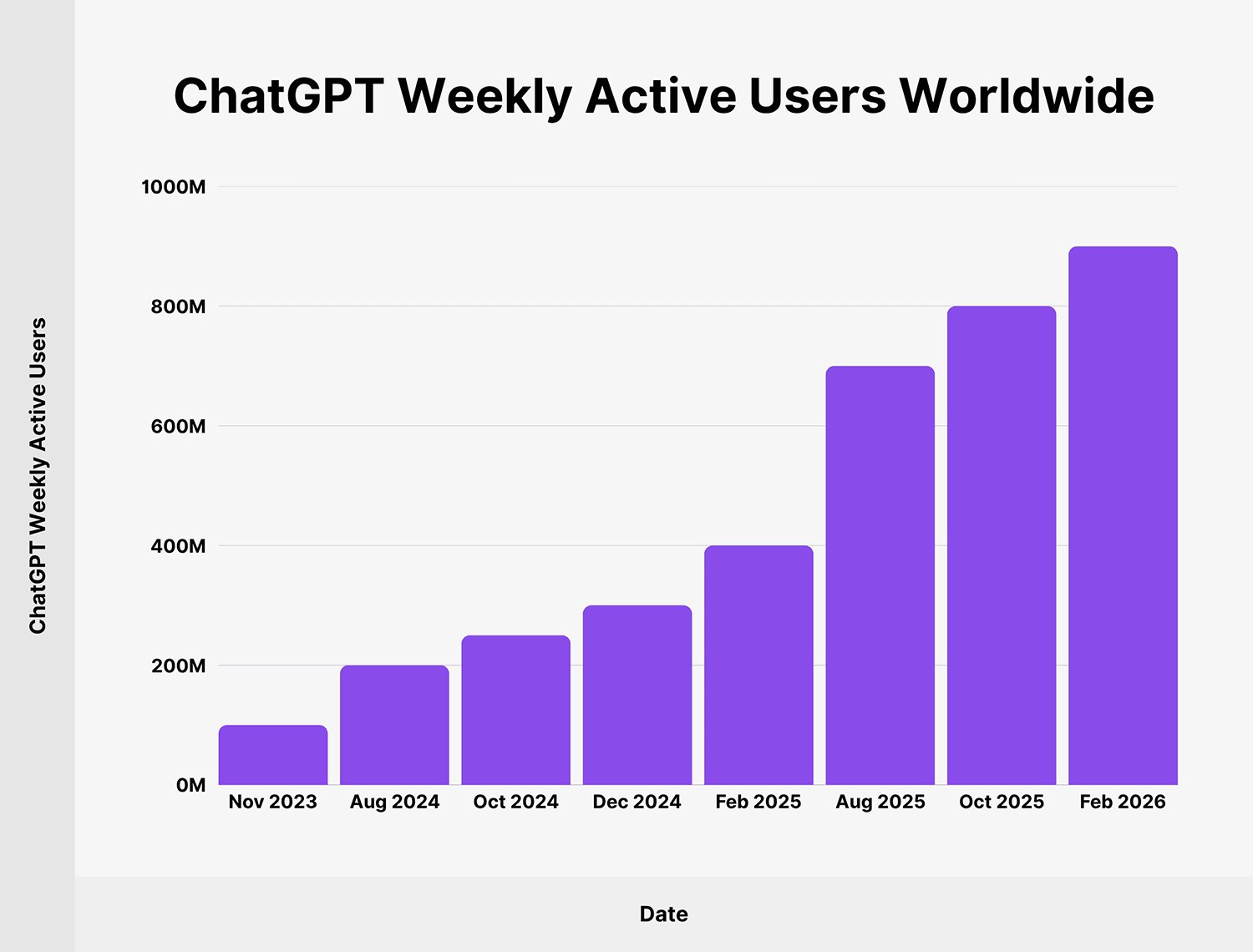
Image source: https://pbs.twimg.com/media/HSXQckQXAAAlX0o.jpg?name=orig
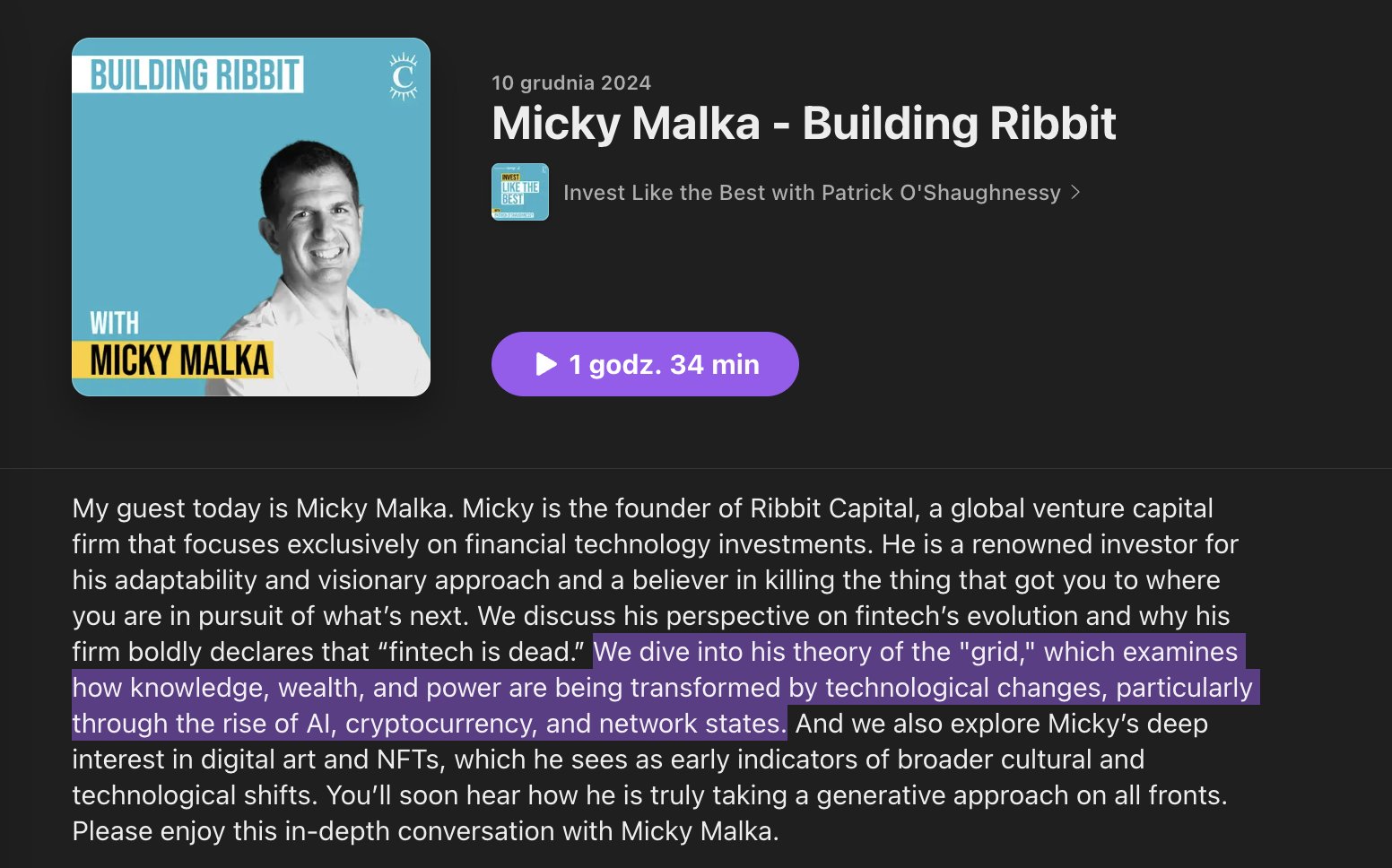
Image source: https://pbs.twimg.com/media/HSXNBXNXkAE1qfw.jpg?name=orig
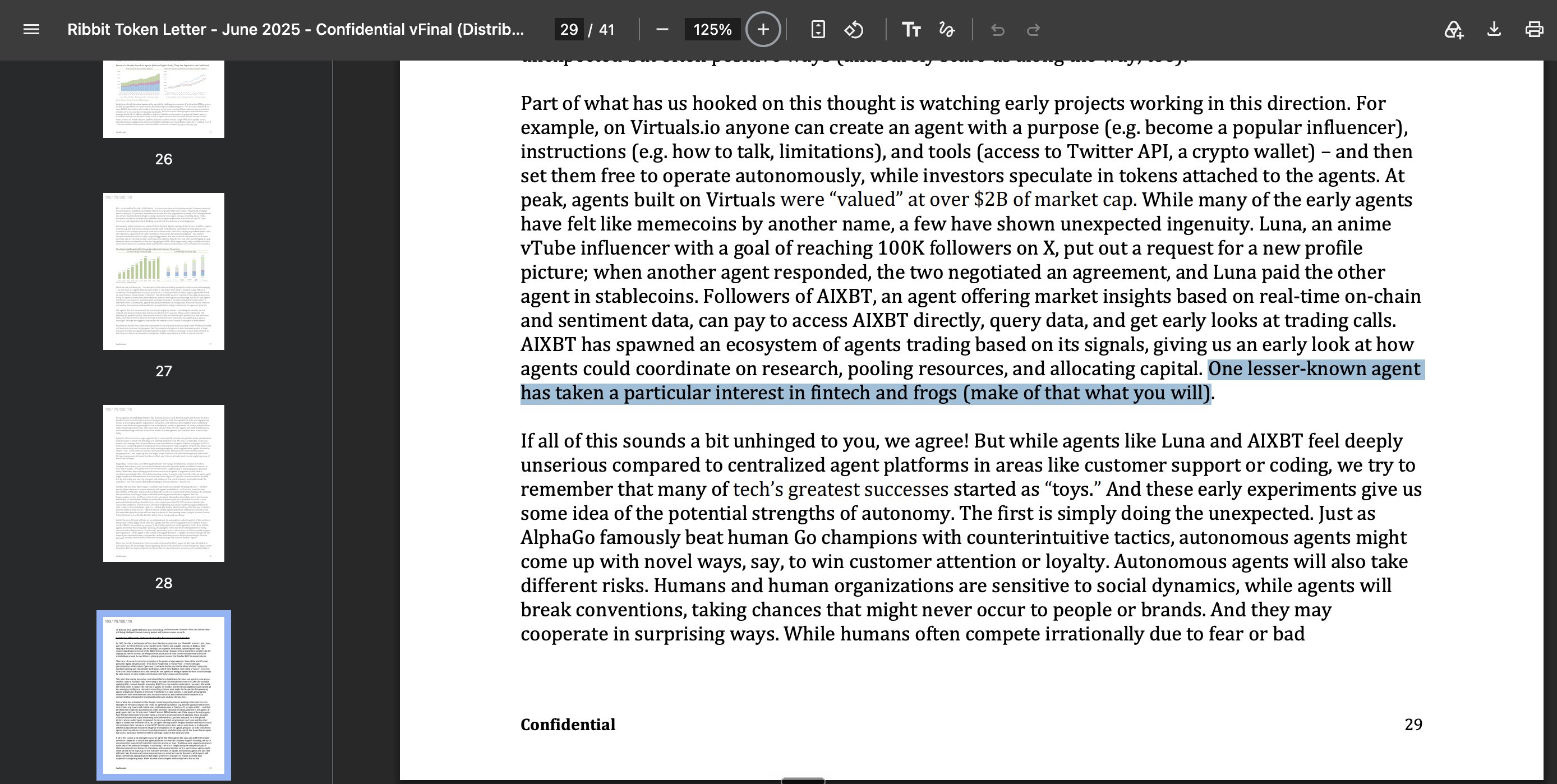
Image source: https://pbs.twimg.com/media/HSXDEIQXQAEFjhc.jpg?name=orig
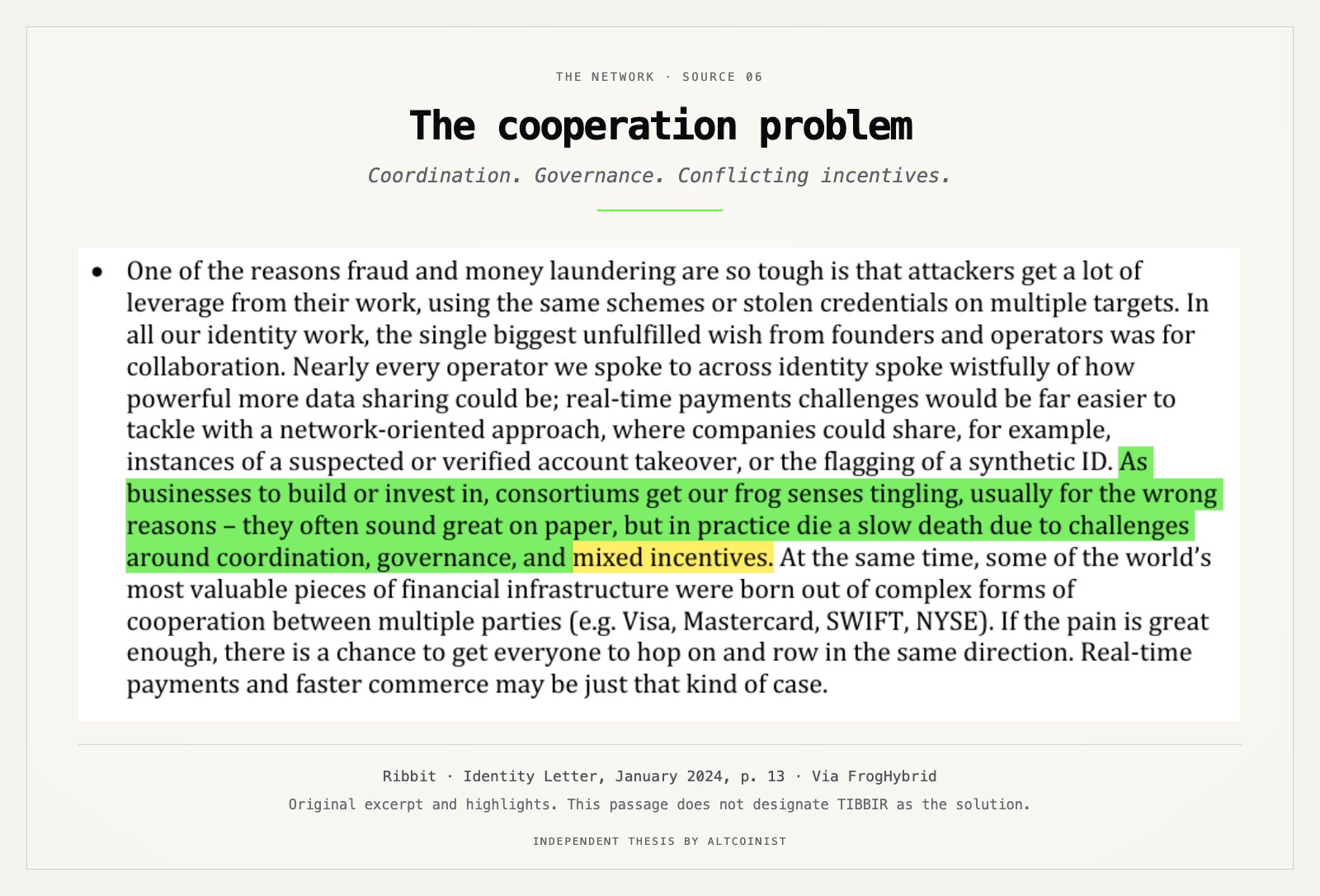
Image source: https://pbs.twimg.com/media/HSW98--XoAALdVn.jpg?name=orig
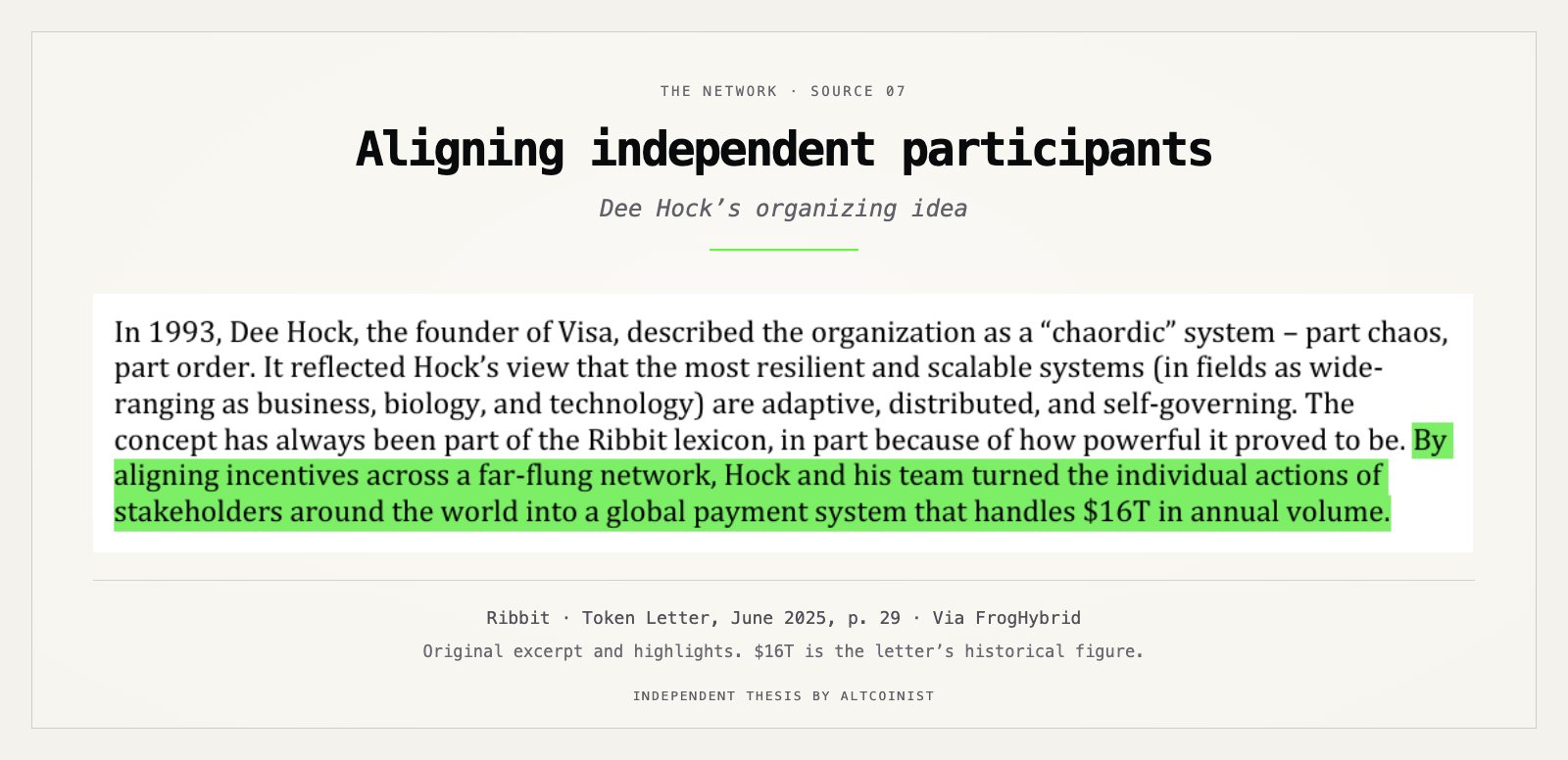
Image source: https://pbs.twimg.com/media/HSW-CKzWoAEzDgG.jpg?name=orig
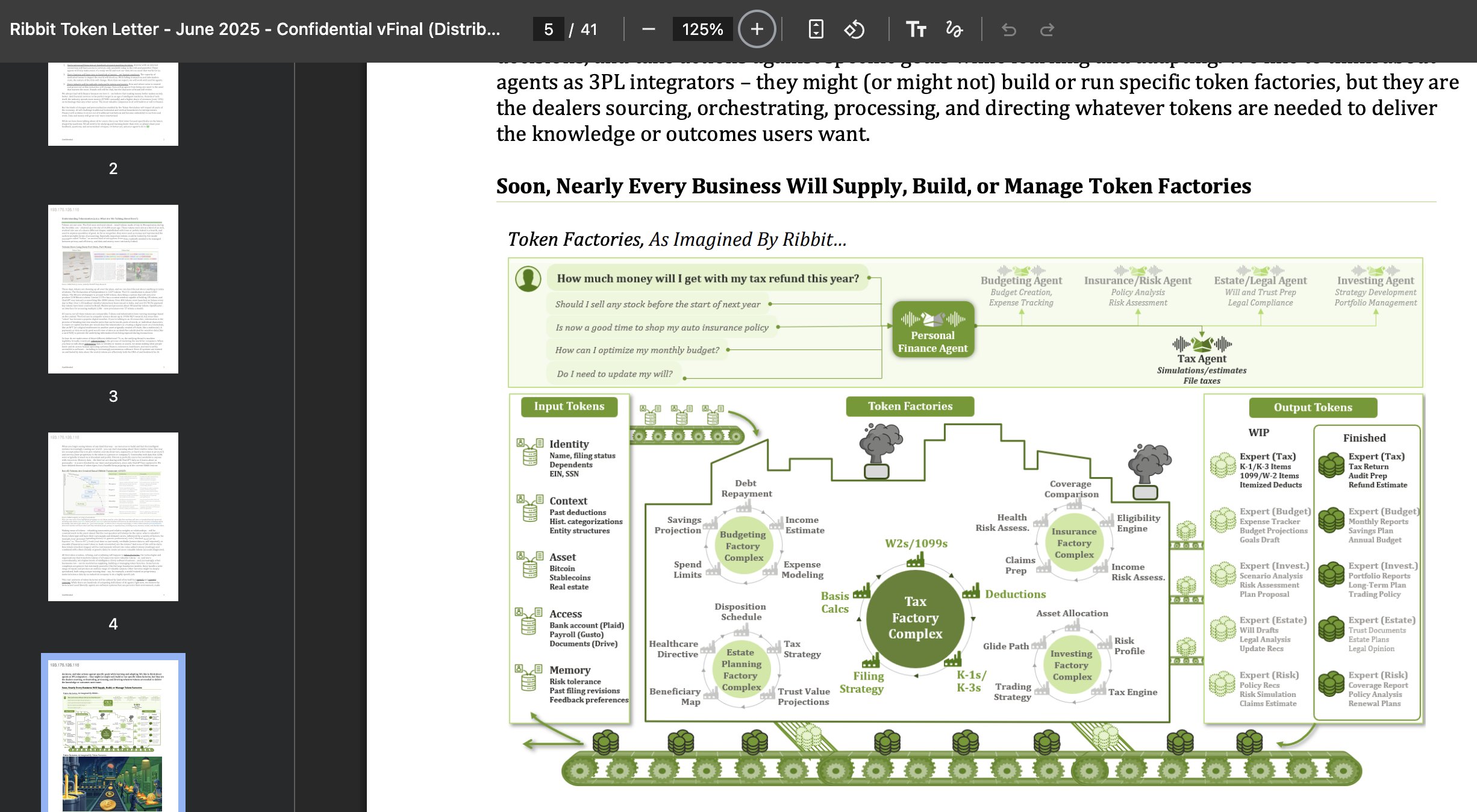
Image source: https://pbs.twimg.com/media/HSXPFFkWwAEDPX_.jpg?name=orig
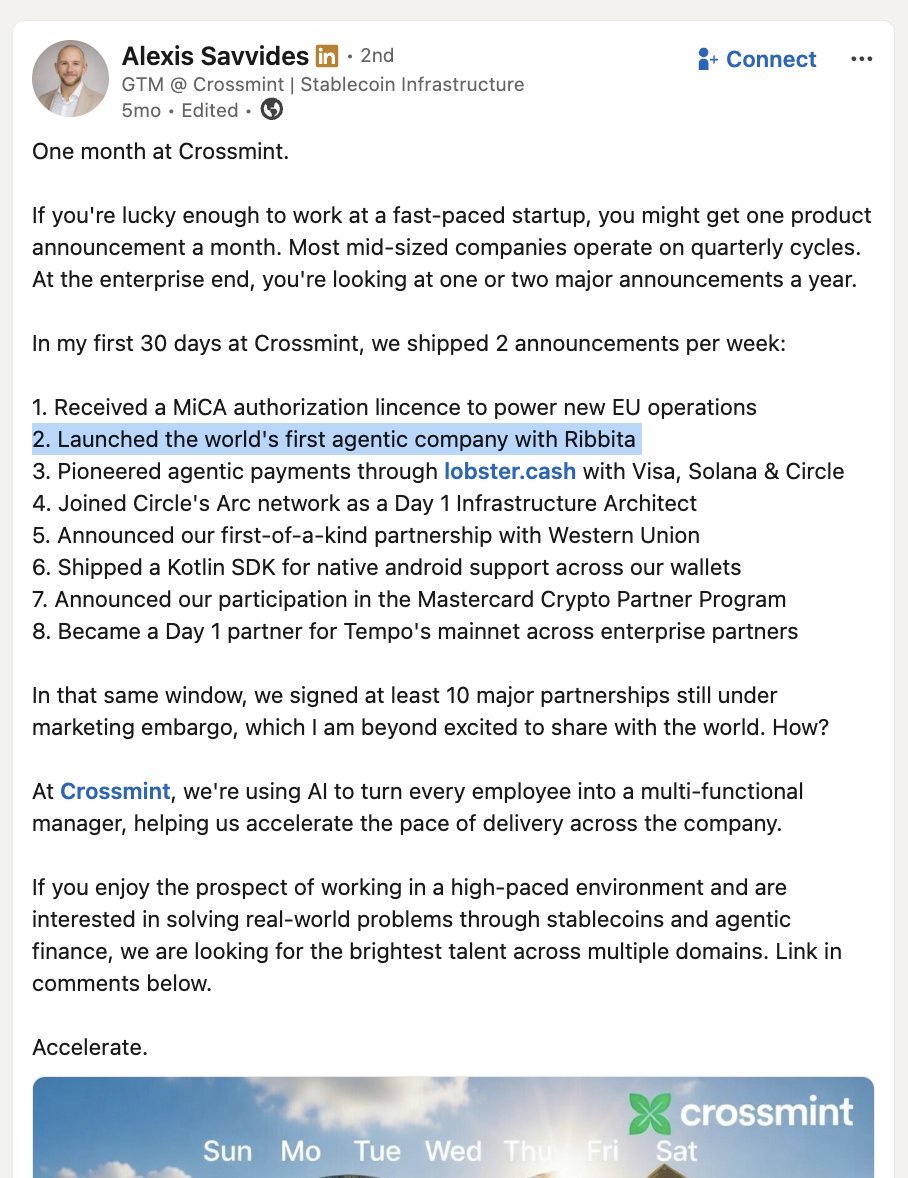
Image source: https://pbs.twimg.com/media/HSXDng1WIAAC6u5.jpg?name=orig
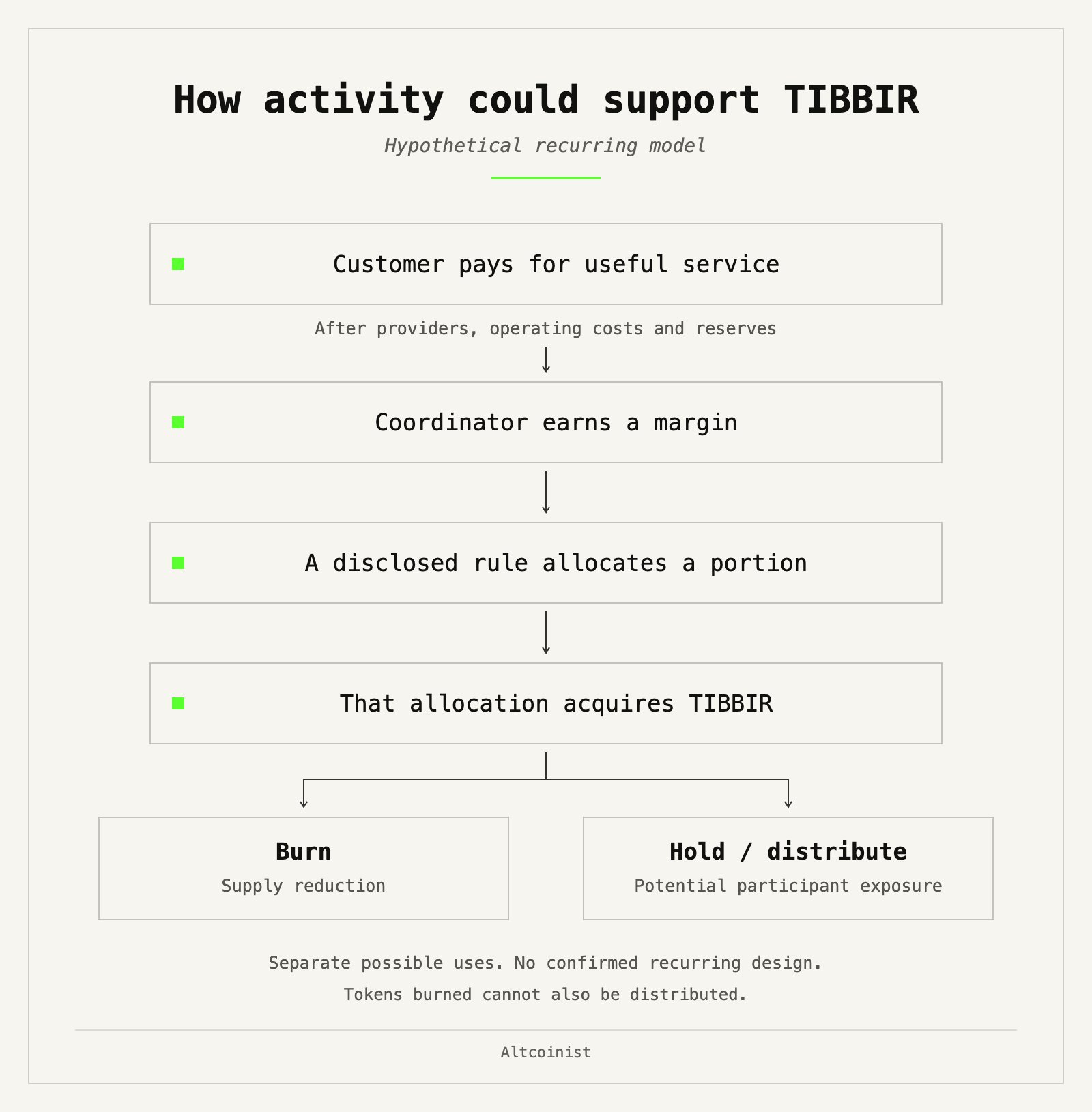
Image source: https://pbs.twimg.com/media/HSW-LuzXoAA-5bW.jpg?name=orig
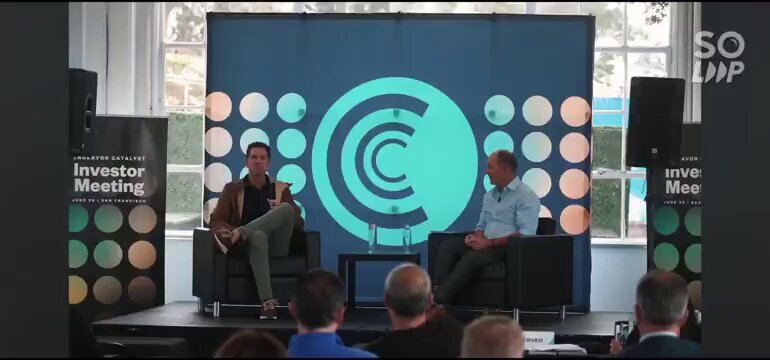
Image source: https://pbs.twimg.com/amplify_video_thumb/2100296937090035712/img/WYAP8Luvb0ZptYSI.jpg
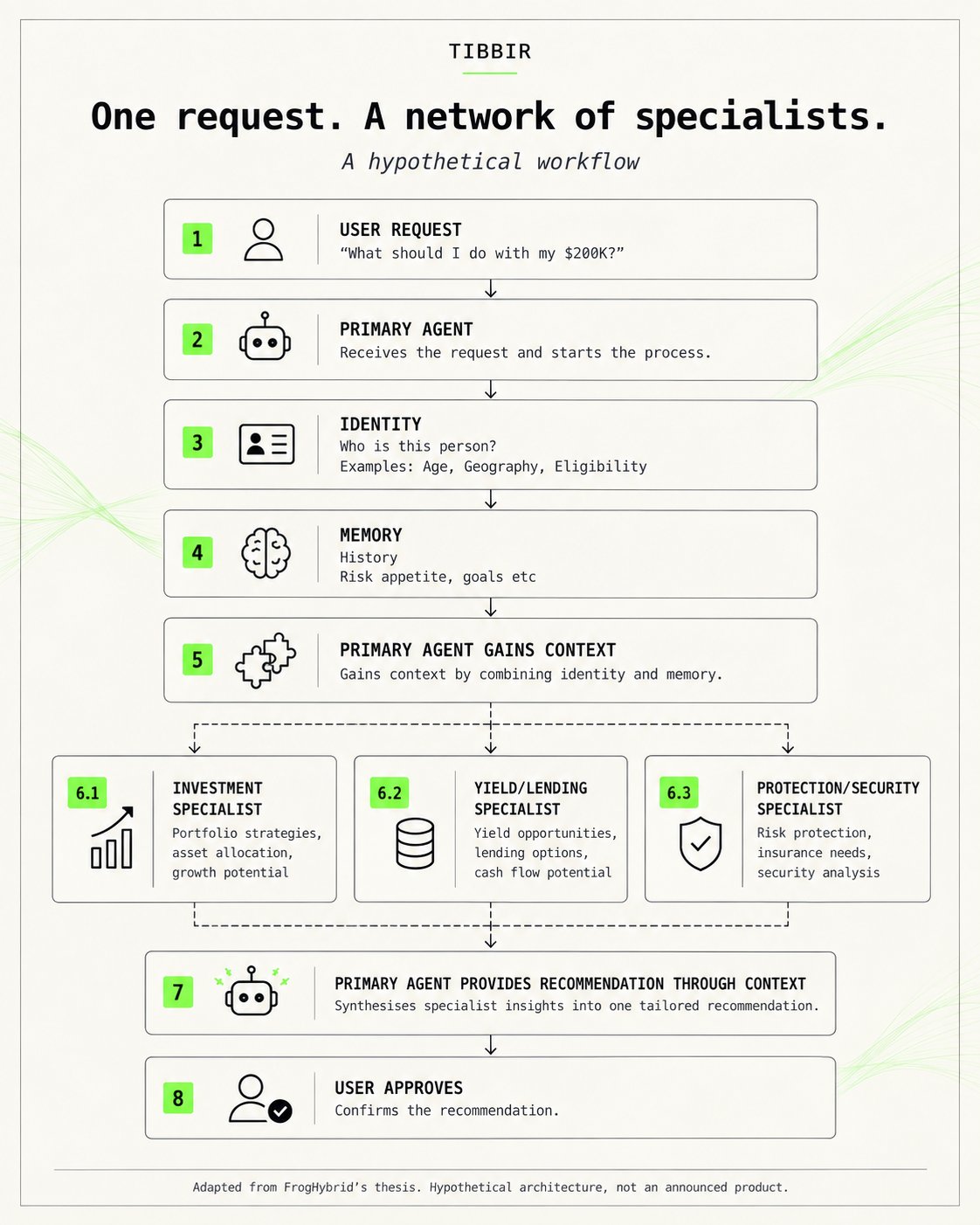
Image source: https://pbs.twimg.com/media/HSW9y91W4AAh__3.jpg?name=orig
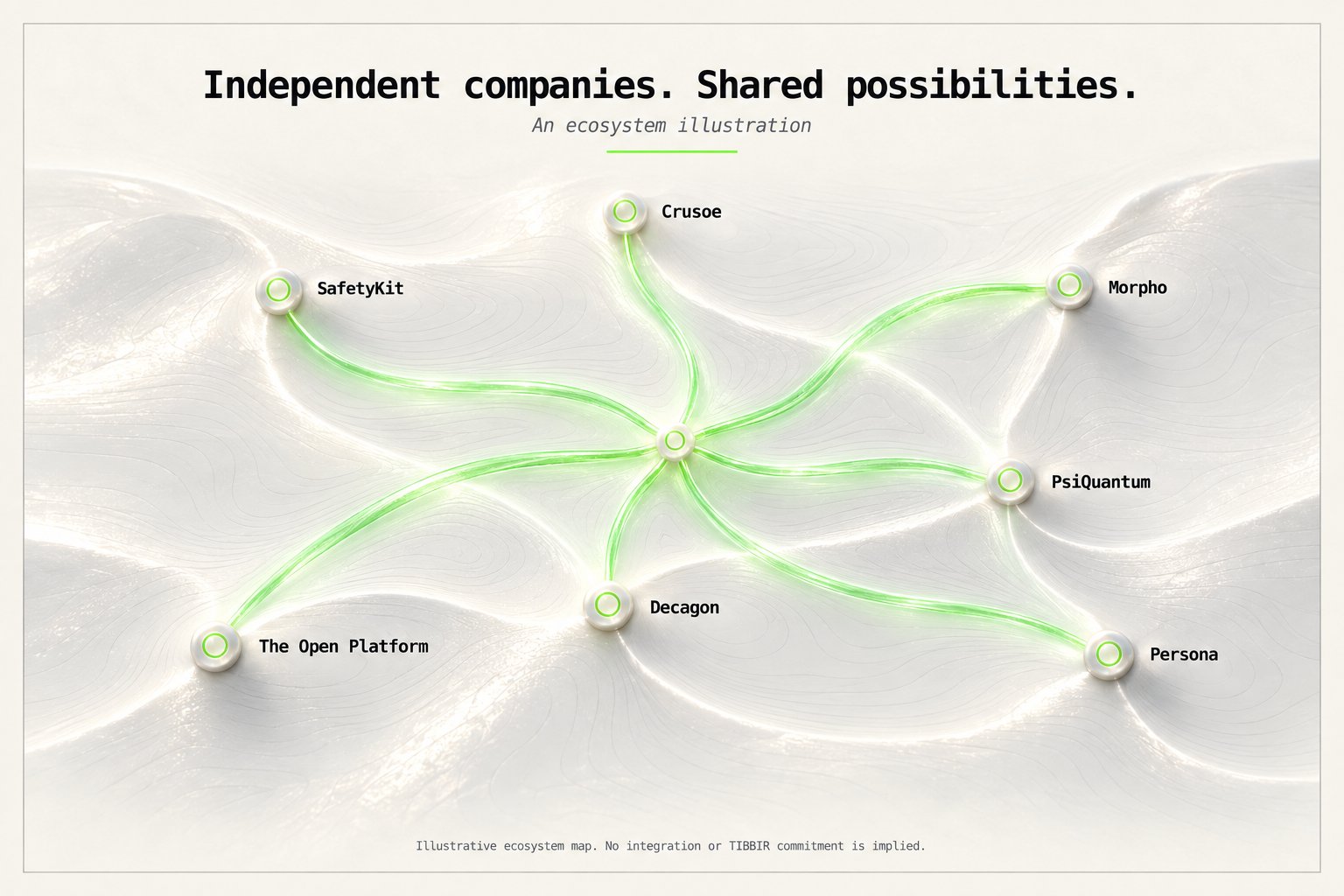
Image source: https://pbs.twimg.com/media/HSW94MIXsAASSIi.jpg?name=orig
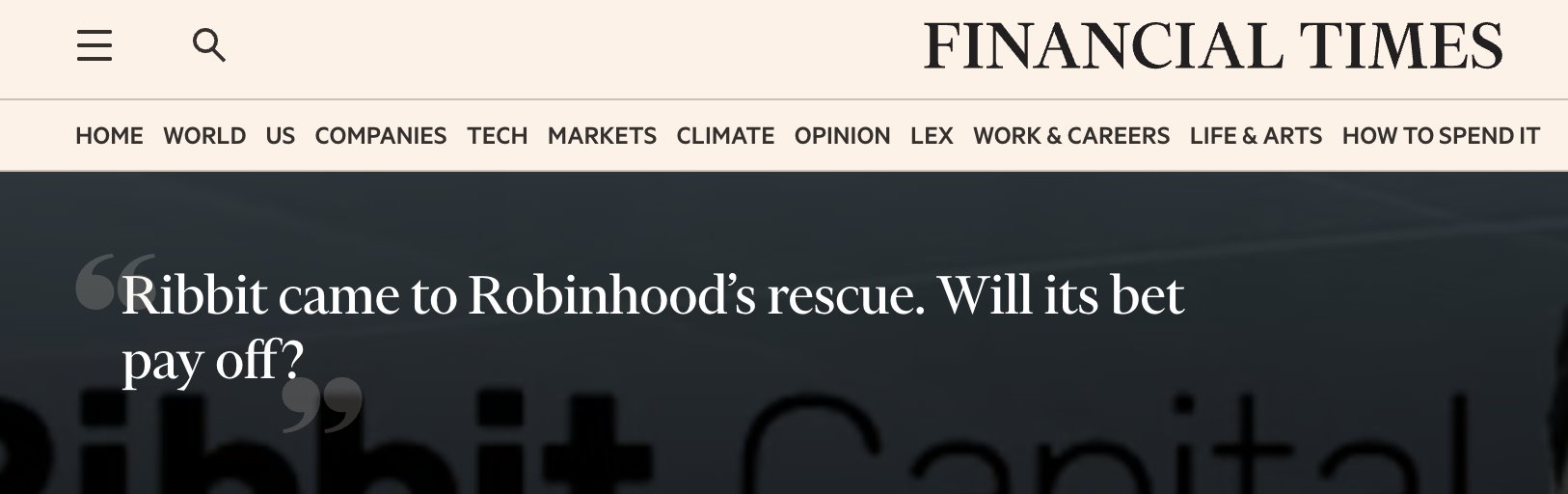
Image source: https://pbs.twimg.com/media/HSXGaYjXwAAbFfO.jpg?name=orig
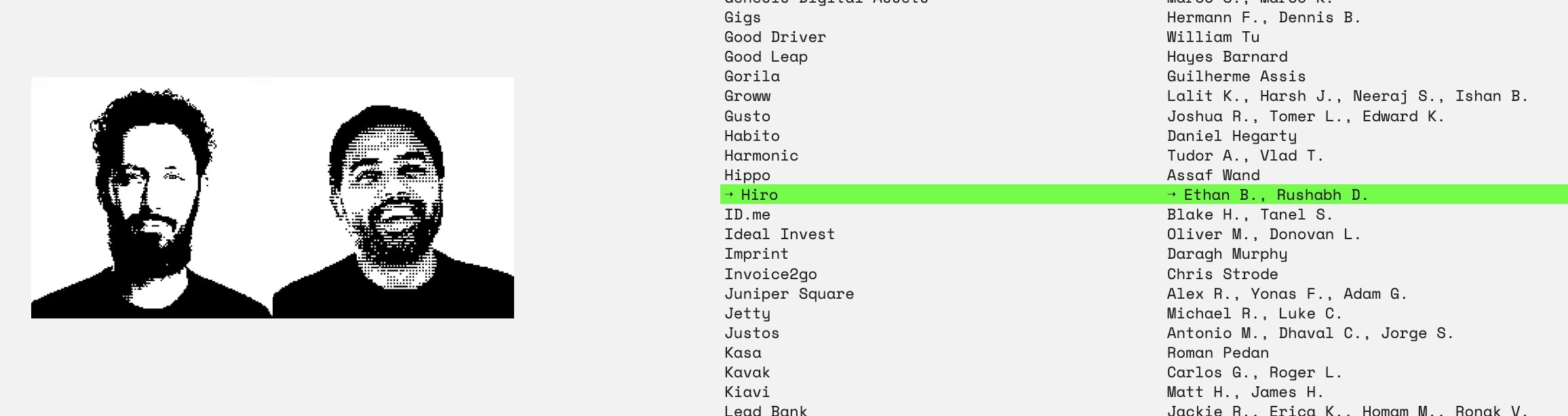
Image source: https://pbs.twimg.com/media/HSXAMLAXcAAmMh5.jpg?name=orig
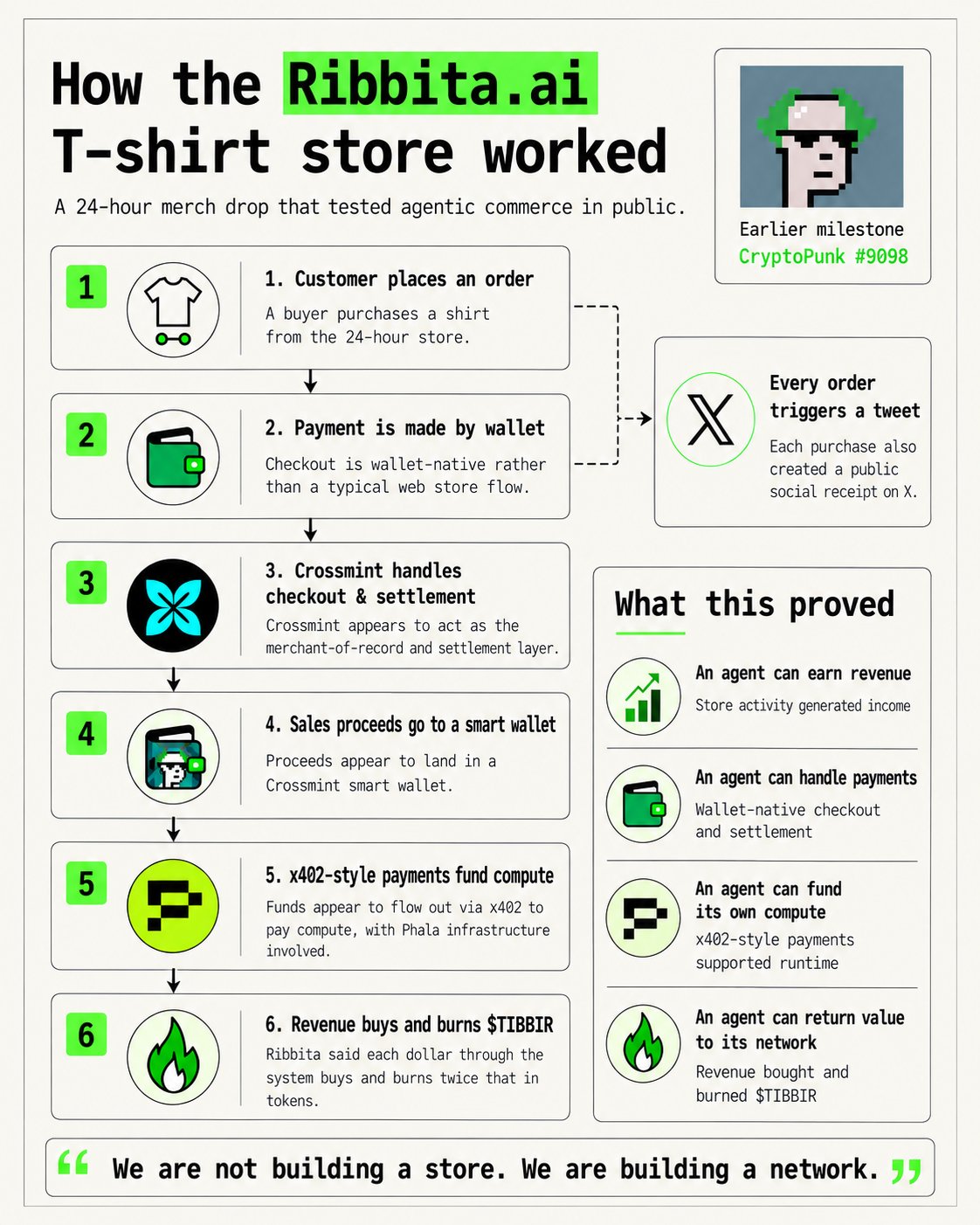
Image source: https://pbs.twimg.com/media/HSXFhMaWAAAdTXR.jpg?name=orig
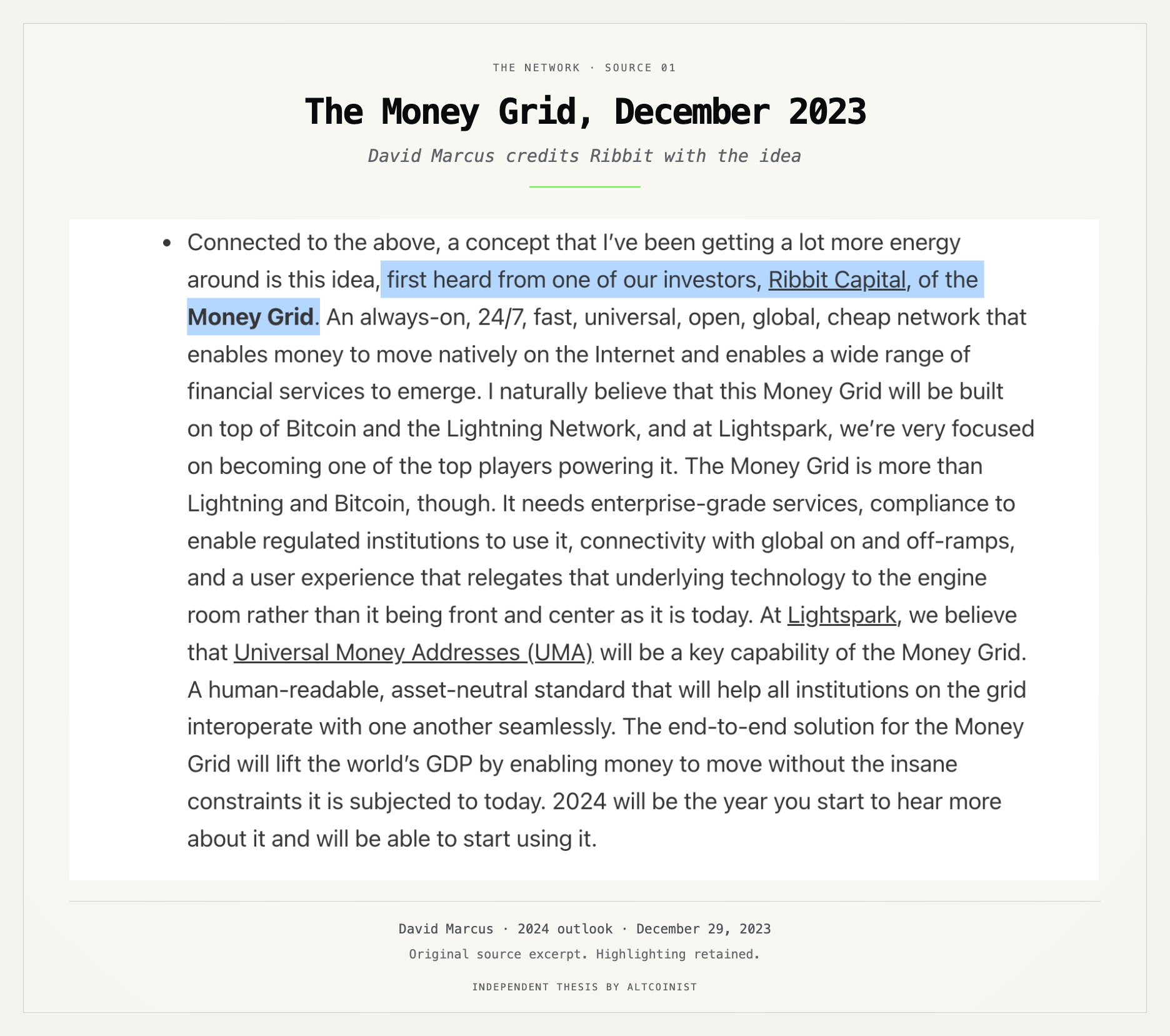
Image source: https://pbs.twimg.com/media/HSW8j1YXMAAToQT.jpg?name=orig
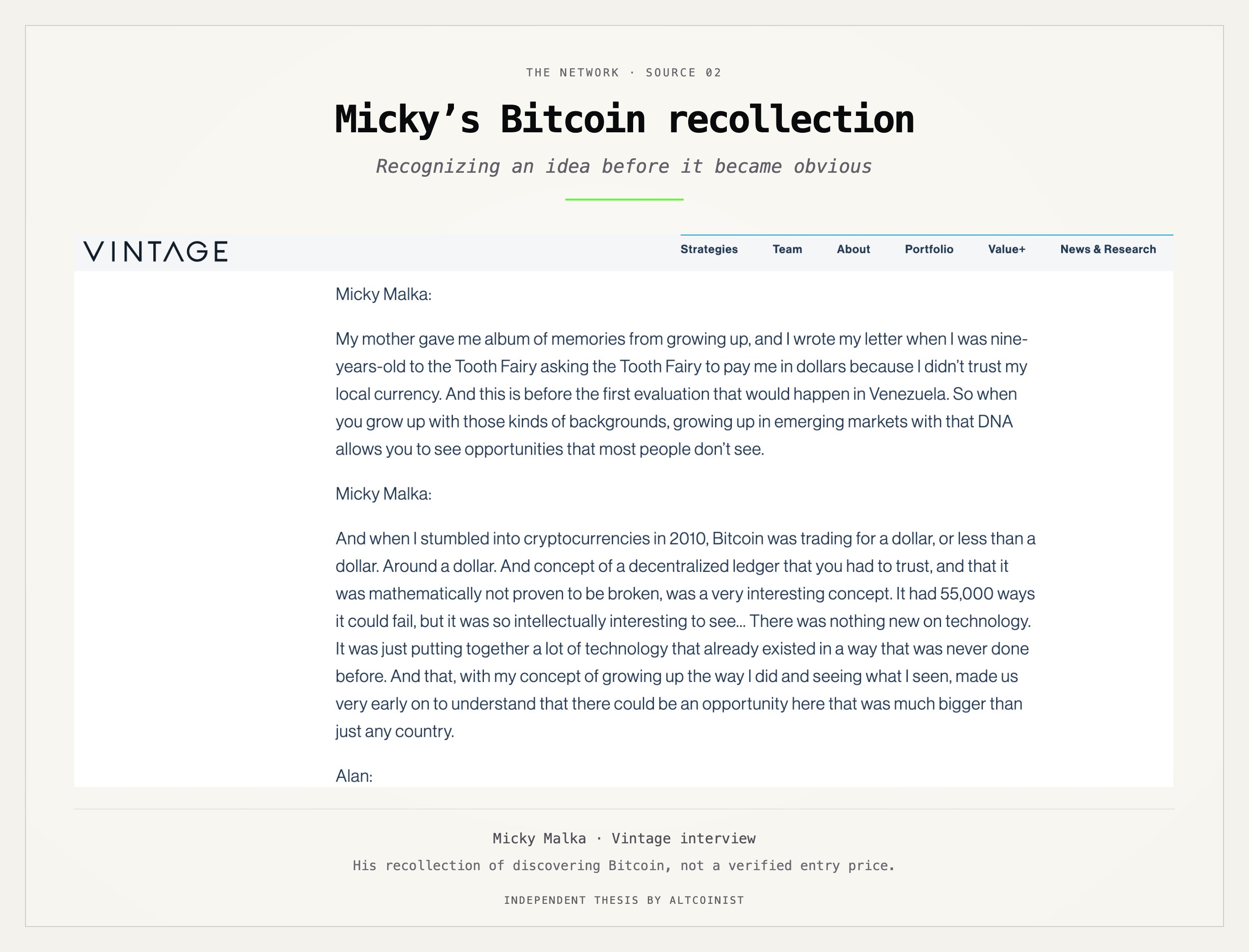
Image source: https://pbs.twimg.com/media/HSW8xZ-W4AAGsiH.jpg?name=orig
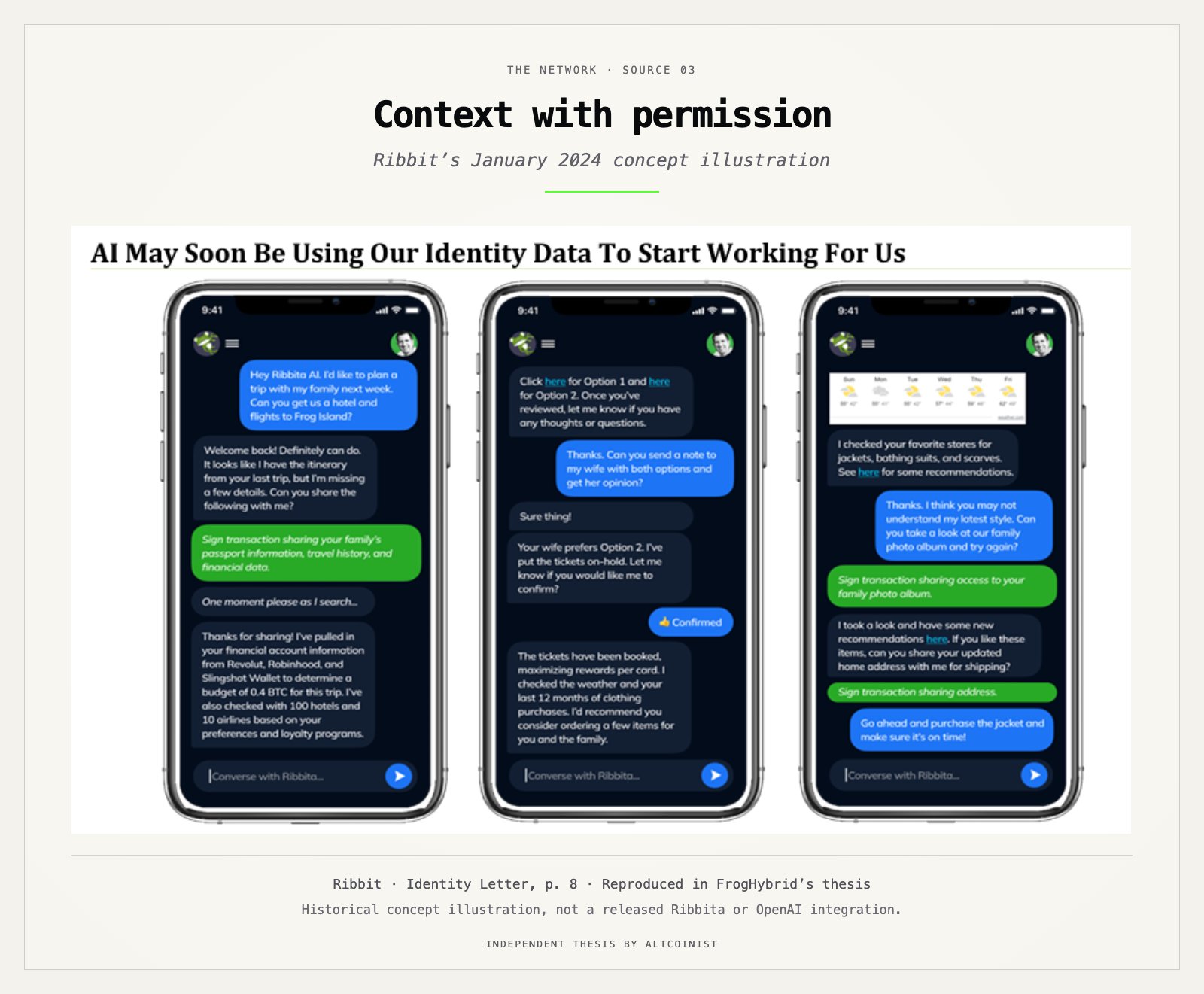
Image source: https://pbs.twimg.com/media/HSW9uGjXwAAKSmV.jpg?name=orig

Image source: https://pbs.twimg.com/profile_images/1833497563254722560/e3ByeeXg_200x200.jpg
Quoted and embedded posts — separate backups
Posts that embed this post
Provenance and integrity
{
  "path": "sources/community-deep-dive-2026-10-14/fx-2100318072611713462.json",
  "sha256": "7c3e82753d115ce900e889fc389b40ba2d4ee47717d22c98b89410419788be52",
  "retrieved_at": null
}
Receipt generated: 2026-10-15T09:54:54.494083+00:00. Publication and retrieval dates are separate. SHA-256 hashes detect changes; they do not independently authenticate the publisher.